Top Tips for Choosing the Best Freestanding Outdoor Umbrella?
Choosing the right Freestanding Outdoor Umbrella is crucial for enhancing outdoor spaces. A well-selected umbrella provides shade, comfort, and style. According to a recent industry report by IBISWorld, the outdoor umbrella market has grown significantly, surpassing $2 billion in revenue in recent years. Consumers increasingly recognize the value added by quality outdoor shade solutions.
When selecting a Freestanding Outdoor Umbrella, factors such as durability and sun protection are vital. UV radiation exposure can lead to skin damage, with the CDC estimating that around 20% of skin cancers are linked to UV exposure. Therefore, the right umbrella material and design should not be overlooked. A poorly constructed umbrella may not withstand windy conditions, leading to safety issues and added costs.
Reflecting on personal needs is essential. Consider your outdoor space, style, and how often you’ll use the umbrella. Not all umbrellas are created equal; some may not provide adequate shade or stability. A thoughtful approach will ensure you make a choice that enhances your lifestyle and outdoor experience.
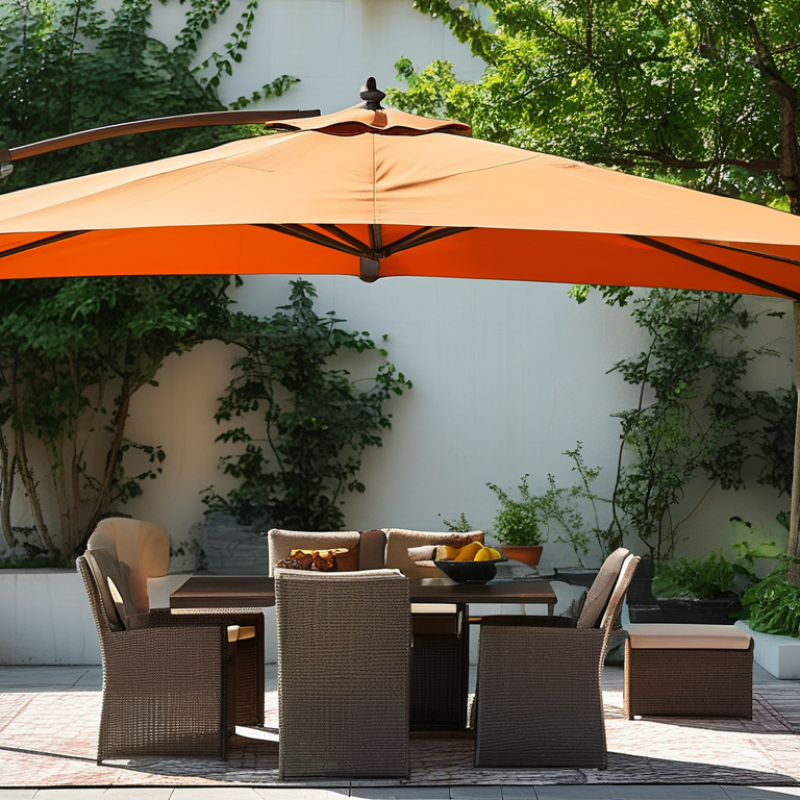
Understanding the Different Types of Freestanding Outdoor Umbrellas
When selecting a freestanding outdoor umbrella, understanding the various types is critical. Market options include market umbrellas, cantilever umbrellas, and tilting umbrellas. Each type serves distinct purposes and settings.
Market umbrellas are popular for their simple design. They often feature a centered pole with a circular canopy. These umbrellas can fit well on patios or in gardens. They provide decent shade but lack flexibility in positioning. On the other hand, cantilever umbrellas offer a unique design. The pole is offset, allowing more space underneath. This is ideal for seating areas or dining spaces. You can adjust them for optimal sun protection.
Tilting umbrellas provide another useful feature. As the sun moves, you can tilt the canopy for better coverage. This convenience is great for enjoying outdoor activities throughout the day. However, some users find them less stable in high winds. Always consider your setting and climate before choosing. Evaluating these characteristics will lead to a more informed decision.
Top Tips for Choosing the Best Freestanding Outdoor Umbrella
| Type of Umbrella | Size (Diameter) | Material | Weight (lbs) | UV Protection | Wind Resistance |
| Market Umbrella | 9 ft | Polyester | 25 | Yes | Moderate |
| Patio Umbrella | 8.5 ft | Acrylic | 30 | Yes | High |
| Cantilever Umbrella | 10 ft | Olefin | 35 | Yes | Very High |
| Half Umbrella | 7.5 ft | Canvas | 20 | Yes | Low |
| Beach Umbrella | 6.5 ft | Polyester | 10 | Yes | Moderate |
Key Factors to Consider When Selecting an Outdoor Umbrella
When selecting a freestanding outdoor umbrella, focus on key factors to enhance your outdoor experience. Consider the size first. A larger umbrella can provide ample shade, while a smaller one is more portable. Research from the Outdoor Industry Association reveals that 70% of consumers prefer larger umbrellas for family gatherings. This data highlights the importance of space and usability.
Next, assess the durability of materials. Look for high-quality fabrics that resist fading and water. According to a report by the American Society for Testing and Materials, umbrellas made with UV-resistant fabric can provide up to 98% protection from harmful rays. This is crucial for maintaining health while enjoying the outdoors.
Weight and stability also matter. A heavier base can prevent the umbrella from tipping over. A study indicated that 60% of users experienced frustration with umbrellas that lack adequate weight. In windy areas, this factor is essential.
Tips: Always check for wind ratings and consider user reviews. They provide real-world insights into the performance of your potential umbrella. Don’t overlook these aspects as they play a significant role in long-term satisfaction.
Material Choices: Durability and Weather Resistance Explained
Choosing the right material for a freestanding outdoor umbrella is crucial for durability and weather resistance. There are several options available, from aluminum to wood, each with its pros and cons. Aluminum frames are lightweight and resistant to rust. However, extreme weather might wear them down over time. Wood provides a classic look but requires more maintenance to prevent decay.
The fabric of the umbrella is just as important. High-quality solutions like polyester and acrylic can withstand fading. Yet, not all fabrics are created equal. Some may feel stiff or coarse, which could affect comfort. Consider UV protection options, as not all materials offer the same level of sun safety.
Maintenance is often overlooked. Regular cleaning can extend the lifespan of both frame and fabric. Remember that umbrellas left in harsh weather can deteriorate faster. Each material choice has a trade-off, so reflect on your specific needs and the typical weather conditions in your area. Assessing how each option aligns with your preferences is vital.
Material Choices for Freestanding Outdoor Umbrellas
Essential Features for Enhanced Functionality and Convenience
When selecting a freestanding outdoor umbrella, functionality is key. One essential feature to consider is the umbrella's UV protection. A good option blocks out harmful rays, keeping you safe while enjoying the outdoors. Choosing a model with a high UV rating can improve your comfort level. Additionally, think about the size. A larger canopy not only provides more shade but also enhances your overall outdoor experience.
Portability should also be a priority. Look for umbrellas that are easy to set up and move around. Consider ones with telescoping poles for adjustable height. This allows you to customize the shade according to your needs and angles of the sun. Stability matters too. Check if the base is heavy enough to withstand wind. A sturdy umbrella prevents tipping and protects your space from potential hazards.
Color and material of the fabric contribute to the overall functionality. Choose fade-resistant fabrics that maintain their look over time. An aesthetically pleasing color can elevate your outdoor decor. However, be mindful of maintenance. Some materials require more care than others. This reality can affect your enjoyment. Balancing practicality and visual appeal is essential to finding the right fit for your needs.
Budgeting: Finding the Right Balance Between Price and Quality
When selecting a freestanding outdoor umbrella, budgeting plays a crucial role. Quality umbrellas can range widely in price, often reflecting their durability and features. According to a 2023 industry report by the International Association of Shade Products, consumers should allocate at least 20% of their outdoor furniture budget for an umbrella to ensure longevity and functionality. Cheaper models may succumb to wear and tear after one season, leading to more costs down the line.
Balancing price against quality is essential. A well-made umbrella typically offers UV protection, sturdier poles, and weather-resistant fabric. In contrast, lower-priced options frequently skimp on these critical features. A 2023 consumer survey revealed that 65% of individuals who purchased lower-end umbrellas reported dissatisfaction within the first year. Investing in a solid, mid-range model can yield significant savings and a better experience overall.
However, even among higher-priced options, some buyers express regret, feeling they overpaid for the brand name rather than the actual quality. A thoughtful review of materials and user ratings can guide informed choices. Only 54% of consumers examine reviews before purchasing, leading to unnecessary spending. Research shows that well-researched purchases drop buyer's remorse rates significantly, reinforcing the merit of careful selection over impulse buys.