
top of page

What Are the Best Food Packaging Suppliers in China?

Choosing among Food Packaging suppliers in China is not simply a matter of comparing prices or glossy sample boxes. A pouch that looks sturdy under showroom lights may seal poorly on a humid production line. Buyers need evidence: material specifications, migration-test documentation, quality-control records, and samples tested with their own product.

The stakes are substantial. The FAO’s The State of Food and Agriculture 2023 estimated that 13.2% of food was lost between harvest and retail in 2021. Packaging cannot solve food loss alone, but barrier performance, seal integrity, and suitable formats can help protect products through storage and transport. Food-chain researcher Louise Manning’s published work emphasizes the importance of considering food safety across the supply chain. In paraphrase, her perspective offers a useful test: “Judge packaging by how it performs across the chain, not by price alone.” This is a paraphrase, not a verbatim quotation.

That matters. For this guide, “best” means a supplier can demonstrate consistent production, clear traceability, responsive communication, and packaging suited to the food and route to market. Food Pack buyers should also check whether certificates are current and independently verifiable, rather than relying on a logo in a brochure. Ask for production samples, inspect print and seals, and confirm delivery assumptions in writing. A shortlist is only a starting point; performance can vary between batches, and even a careful supplier review cannot remove every risk. The sections ahead compare practical selection criteria and explain how to assess China-based suppliers with evidence, not promises.
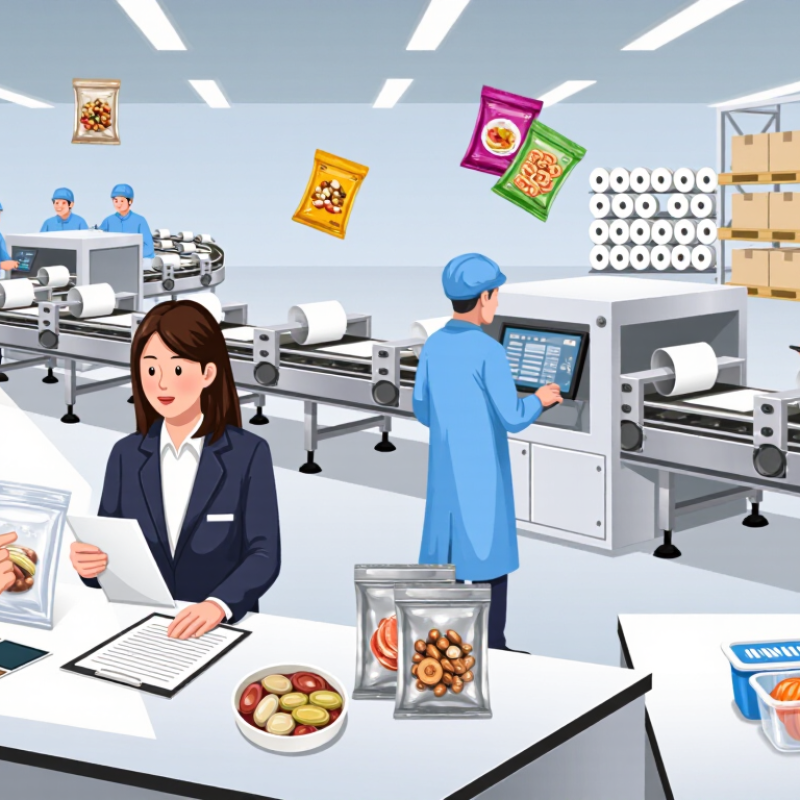
What Are the Best Food Packaging Suppliers in China?

What Services Do Food Packaging Suppliers in China Provide?

Food packaging suppliers in China often support more than production. Many help select materials based on the food, filling temperature, shelf life, and transport conditions. A supplier may offer paper cartons, flexible pouches, trays, or containers, then prepare samples for fit and sealing checks. Details matter. Ask for material specifications and food-contact documents relevant to your product and destination market.

Design services can include dielines, artwork setup, color proofing, and prototype development. Some suppliers also advise on barrier layers that limit moisture, oxygen, or light. This can help protect dry snacks or chilled foods, but the right structure depends on storage and handling. A glossy sample is not proof of reliable performance. Request samples made with the intended materials, and test them with your actual product where possible.

Production support may cover printing, cutting, forming, sealing, quality inspections, and shipment coordination. Suppliers can often discuss order quantities, lead times, and packing methods before a run begins. Not always. Capabilities vary, and custom tooling can affect both cost and timing. Compare written specifications, tolerances, and inspection plans rather than relying on a broad service list. One detail is easy to overlook: confirm how defects are recorded and handled before approving production.

Which Materials and Packaging Formats Are Commonly Available?

Food packaging suppliers in China commonly work with paperboard, corrugated board, molded pulp, plastics, and flexible laminates. Paperboard cartons suit dry foods and takeaway meals, while corrugated boxes protect larger shipments. Molded-pulp inserts can hold eggs or fruit, though their rough texture may not fit every presentation.

Plastic choices often include PET, PP, and PE. PET trays make contents visible; PP tubs are often selected for foods that need reheating, subject to the package’s rated use. Flexible pouches and rollstock may combine plastic films with foil or barrier layers. Common formats also include cups, lidded trays, stand-up pouches, and portion sachets. Samples can mislead.

Match the material to the food, filling temperature, storage conditions, and delivery route. Greasy noodles, chilled pastries, and dry tea each need different protection.

Ask suppliers for material specifications, food-contact documentation, and testing details relevant to the intended market. Check seals with the actual product when possible; a pouch that looks sturdy may leak after a long, warm delivery. Small print and sample quality do not always tell the whole story.

How Should Buyers Evaluate Chinese Food Packaging Suppliers?

When comparing Chinese food packaging suppliers, evaluate the evidence behind their claims, not just their prices or product photos. Ask for material specifications, food-contact test reports, batch traceability, and records of quality checks. Confirm that the documents match the exact packaging structure you plan to order. A report for a similar-looking film may not cover your product.

The OECD’s Global Plastics Outlook (2022) estimates that packaging accounted for 40% of global plastic waste in 2019. This makes material choices and end-of-life claims worth checking carefully. Ask suppliers to identify each material layer and explain whether local recycling systems can process it. For production reliability, request sample rolls or containers, then test sealing, odor, print clarity, and performance with your actual food and filling line. A small pilot can reveal issues that a polished sample hides. I would not treat a factory audit as a guarantee; follow up with lot-level records and clear defect procedures.

Tips: Compare at least two suppliers using the same checklist. Check whether quoted lead times include tooling and peak-season delays. Keep specifications in writing. Small details matter. A supplier may answer quickly, but vague test evidence deserves another question.

What Are the Best Food Packaging Suppliers in China? - How Should Buyers Evaluate Chinese Food Packaging Suppliers?

Use this framework to compare suppliers for a specific packaging application. Suggested weights are a starting point, not market statistics; adjust them to your product, destination market, and risk requirements.

Evaluation dimension Suggested weight What buyers should verify Useful evidence or checks Potential warning signs Buyer score
(0–5)
Food-contact compliance 20% Confirm that the specific material, intended food type, and conditions of use meet the requirements of the destination market. Requirements vary by market and application. Applicable declarations of compliance, material specifications, and relevant migration or other test reports from a competent laboratory. For the EU, check applicable food-contact rules, including Regulation (EC) No 1935/2004 and, where relevant, Regulation (EU) No 10/2011 for plastics. Generic certificates that do not identify the material or intended use; reports for a different product, formulation, or test condition. —
Quality management and process control 18% Assess how the supplier controls incoming materials, production parameters, inspection, nonconforming product, and corrective actions. Current quality-system documents, process-control records, inspection criteria, corrective-action examples, and an audit or production-site review. Verify the scope and validity of any claimed certification with its issuer. A certificate presented without verifiable scope or validity; no documented method for handling defects or customer complaints. —
Product and technical suitability 12% Check whether the packaging fits the food, filling process, storage conditions, shelf-life needs, and distribution environment. Material and structure specifications; sample evaluation; and application-relevant tests such as seal integrity, barrier performance, strength, or temperature suitability, as applicable. Recommendations made without clarifying food type, filling temperature, storage conditions, or required performance. —
Traceability and change control 10% Determine whether materials and finished goods can be traced through production batches, and whether changes are communicated and approved. Sample batch records, lot identification, supplier-material records, and written procedures for changes to materials, processes, or production sites. No consistent lot identification; undisclosed material substitutions; unclear responsibility for notifying buyers of changes. —
Production capacity and delivery reliability 10% Confirm that available equipment, staffing, and scheduling can support the buyer’s order volumes and required delivery windows. Production plan, confirmed lead-time assumptions, capacity allocation, contingency arrangements, and performance records relevant to the proposed product. Unqualified delivery promises; unclear peak-season planning; dependence on unapproved subcontracting. —
Customization and sampling 8% Evaluate the supplier’s ability to meet required dimensions, structure, print specifications, and packaging-line needs. Approved drawings and specifications, pre-production samples, print proofs, sample lead time, and a documented approval process. Production begins before written approval of the final specification or sample; unclear ownership of tooling and artwork. —
Sustainability and material transparency 7% Review material composition and whether environmental claims are specific, substantiated, and relevant to the destination market and disposal system. Material breakdown, recycled-content documentation where claimed, and evidence supporting recyclability or compostability claims under applicable conditions. Broad environmental claims without supporting documentation or a defined testing basis. —
Commercial terms and total cost 7% Compare the full cost and contractual terms, not only the quoted unit price. Itemized quotation covering tooling, setup, packing, shipping terms, payment schedule, order quantity, and any applicable testing or inspection costs. Unspecified charges, ambiguous specifications, or changes to price and terms that are not documented. —
Export documentation and logistics 5% Check that the supplier can prepare the agreed shipping documents and coordinate packaging, labeling, and shipment details. Document checklist, packing details, agreed trade terms, and confirmation of who handles each export and import responsibility. Unclear division of shipping responsibilities or inconsistent product descriptions across documents. —
Communication and issue resolution 3% Assess responsiveness, clarity, technical understanding, and the process for escalating quality or delivery issues. Written answers to technical questions, named points of contact, and a documented complaint and corrective-action process. Contradictory answers, repeated misunderstandings, or no clear owner for resolving problems. —
Total suggested weight 100% Record evidence for each score and compare suppliers against the same product specification and evaluation method.

Suggested scoring guide: 0 = no evidence; 1 = major gaps; 2 = partial evidence; 3 = meets stated requirements; 4 = strong documented controls; 5 = independently verified performance that exceeds requirements. Treat compliance gaps as a pass/fail issue where required by law or by the buyer’s specification.

Which Suppliers Stand Out in Different Packaging Categories?

Food packaging suppliers in China stand out by material expertise, food-contact controls, and production consistency—not by offering every format. Flexible-packaging specialists suit snack, frozen, and portioned foods, where seal strength and moisture barriers matter. Check whether suppliers can provide clear specifications, batch traceability, and migration-test documentation. Fit matters.

Rigid-container suppliers are often a better match for ready meals, sauces, and dairy products. Their value lies in dependable dimensions, lid fit, and resistance to heat or impact. For dry goods and bakery items, paper-based converters can offer printable cartons and bags, though grease and humidity may limit performance. Trade-offs remain. Ask for samples tested with the actual food and filling line; a polished sample may not reflect a full production run.

Category choices also have a resource impact. The OECD’s Global Plastics Outlook (2022) reports that plastic packaging generated about 40% of global plastic waste in 2019. FAO’s State of Food and Agriculture 2019 estimates that roughly 14% of food is lost between harvest and retail. These figures do not prove that packaging alone prevents waste, but they make barrier performance and material reduction worth assessing together. Compare suppliers using documented test results, defect records, minimum order quantities, and delivery consistency. A low unit price can hide costly leakage or excessive trim waste.

What Should Buyers Verify Before Selecting a Supplier?

Before choosing a Chinese food-packaging supplier, verify what the factory actually makes in-house. Ask for current production-flow records, material specifications, and recent batch inspection reports—not just a polished presentation. Check whether the resin, paper, ink, and adhesive in the quotation match your samples and final order. Small mismatch. It can affect sealing, odor, print rub, or barrier performance.

Food-contact suitability needs evidence. Request test reports for the exact material structure, thickness, and intended food-use conditions; check the laboratory’s credentials and report dates. Ask the supplier to trace one finished lot back to its raw-material batches. OECD’s Global Plastics Outlook (2022) estimates packaging generated 40% of plastic waste in 2019. That makes material claims worth checking, not simply accepting. Ask how recycled content, recyclability, and production scrap are documented, and verify destination-market requirements independently. Review hygiene controls, pest records, calibration logs, and corrective-action records from ordinary production days. A factory can look excellent. Paperwork can still lag. Agree on tolerances, change notifications, remedies for defects, and pre-shipment sampling in writing. Audits are only snapshots, so repeat checks and retain sealed reference samples.

Article Source:

S O C I A L 

  • Facebook
  • Instagram
  • Pinterest

©2022 by LaFata Cabinets. Proudly created with Wix.com

bottom of page