What Is the Best Hardwood Bathroom Vanity in 2026?
A bathroom vanity faces daily humidity, splashes, cleaning products, and constant use. Choosing one by appearance alone can be costly. The best Hardwood Bathroom Vanity in 2026 should balance dependable construction, practical storage, and a finish suited to your bathroom’s conditions.
Industry research offers useful context, but not a universal winner. The 2024 U.S. Houzz Bathroom Trends Study tracks homeowners’ renovation choices, including changes to vanities and storage. The National Kitchen & Bath Association’s 2024 Bath Trends Report gathers insights from industry professionals on evolving bathroom priorities. Read together, these reports support a practical takeaway: shoppers are weighing function and personal style, not just cabinet material. Neither report declares one hardwood species or vanity model best for every home.
Details matter. Compare the cabinet’s joinery, drawer hardware, finish quality, and care instructions. Ask whether the maker specifies solid wood, veneer, or a combination; those terms describe different constructions. A walnut cabinet with tight drawers may suit a compact powder room, while a wide oak vanity can offer useful shared storage. Yet hardwood is not waterproof. Poor ventilation and standing water can still damage wood or its finish.
That caveat deserves attention. This guide weighs construction, moisture management, size, style, and value, while distinguishing verifiable product specifications from marketing claims. The right choice depends on your layout, budget, and maintenance habits—not a species name alone.
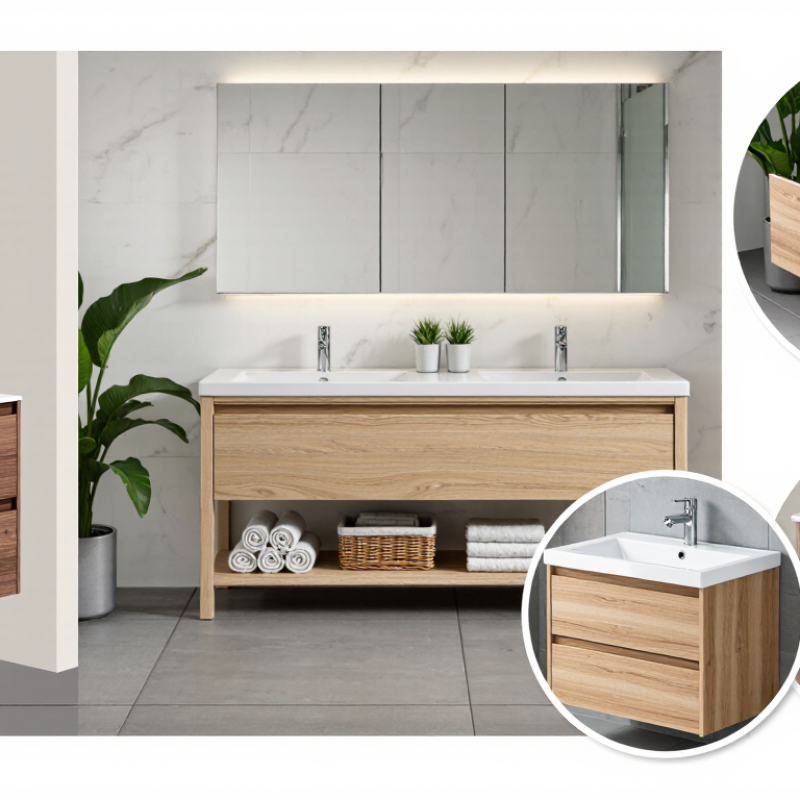
What Defines a Hardwood Bathroom Vanity in 2026?
A hardwood bathroom vanity is defined less by its appearance than by the wood used in its main structure. In 2026, the term usually means a cabinet using oak, maple, walnut, or another hardwood. Yet the label can be vague: solid hardwood may appear only on doors and face frames, with plywood elsewhere. That is not automatically a flaw. Stable, well-sealed panels can resist seasonal movement better than wide solid-wood panels. Ask which parts are solid wood, and request a clear material specification. Details matter.
Hardwood does not mean waterproof. Bathrooms bring splashes, steam, and occasional leaks; finish quality and assembly matter as much as wood species. Look for sealed edges, protected cabinet interiors, sturdy drawer joints, and doors that close evenly. Check around sink cutouts and plumbing openings, where water can reach exposed material. The finish should feel continuous, not tacky or patchy. Still, no coating makes neglect harmless. Wipe standing water promptly and use ventilation after showers.
A useful definition also includes repairability and fit. Measure plumbing clearance, wall width, and floor level before choosing a cabinet; even a well-made vanity can wobble on uneven tile. Ask whether its hinges, drawers, and finish can be serviced. Wood grain varies, and small color differences are normal. It is tempting to expect a dark stain to hide every mark, but dark surfaces can show dust and water spots more clearly. The best choice is not simply the heaviest vanity, but one with honestly described materials and careful, moisture-aware construction.
Which Hardwood Species Best Withstand Bathroom Conditions?
White oak is a strong choice for a bathroom vanity because its cellular structure helps resist water penetration better than red oak. Not waterproof. Repeated splashes can still stain or swell unfinished edges, especially around sink cutouts and drawer fronts. Teak contains natural oils and generally handles damp conditions well, though its color and grain can change over time. Finishes may also adhere differently to oily teak, so the finish system matters as much as the wood species.
Hard maple offers a fine grain and good resistance to dents, but it depends on reliable sealing because it is less naturally decay-resistant than teak. “Mahogany” refers to different species, so the label alone does not guarantee stable performance. Check the end grain, joints, and underside of the countertop; these spots can be vulnerable even when the cabinet’s broad surfaces look sound. Keep water from pooling. Run an exhaust fan and wipe standing drops. No species can compensate for poor construction or a persistently damp room, and that is easy to overlook when comparing wood samples.
What Is the Best Hardwood Bathroom Vanity in 2026?
Which Hardwood Species Best Withstand Bathroom Conditions?
How to read this chart: Teak and white oak rate highly for bathroom use because of their natural durability and moisture-related characteristics. These are indicative comparative ratings (1 = lower, 5 = higher), not results from a standardized test. The wood’s exact species, finish, joinery, sealing, and bathroom ventilation all affect real-world performance.
How Do Construction and Finishes Affect Durability?
A durable hardwood bathroom vanity depends on how its parts manage moisture, not just on the wood species. The USDA Forest Products Laboratory’s 2021 Wood Handbook reports that, near 70°F, wood’s equilibrium moisture content is about 6% at 30% relative humidity and 16% at 80%. That swing can make doors swell, joints tighten, and drawer fronts rub. Small gaps matter. A sturdy cabinet uses stable plywood panels where broad surfaces might move, sound joinery, and sealed cut edges around sinks and plumbing. Solid hardwood can still work well, but it needs room to expand and contract.
Finishes slow moisture exchange; they do not make wood waterproof. Look for even coverage on hidden faces, undersides, and especially end grain, where water can soak in quickly. Inspect the sink cutout and cabinet base for thin spots or exposed edges. The Kitchen Cabinet Manufacturers Association’s A161.1 performance standard includes finish-resistance testing, a useful signal that a coating should withstand household spills and cleaning. Still, a test cannot prevent damage from standing water. Wipe splashes near the faucet, and keep a damp cloth from sitting inside the cabinet. Even careful construction can disappoint when ventilation is poor; that is worth admitting before choosing a vanity.
How Should Size, Storage, and Style Guide Your Choice?
Choosing a hardwood bathroom vanity starts with the room, not the wood species. Measure the available wall, then account for door swings, drawer clearance, and plumbing. A 30-inch vanity can suit a narrow bath, while a double-sink layout needs enough elbow room between basins. Leave space for towels and daily movement. A tight fit looks neat on paper, but feels cramped at 7 a.m.
Storage should match what you actually keep nearby. Deep drawers hold hair tools and spare toiletries better than a wide, awkward cabinet void. Shallow top drawers can separate toothbrushes and small items. Check the interior layout before choosing; plumbing can steal useful space. Open shelves look airy, but expose clutter and need frequent wiping. That trade-off is easy to underestimate.
Oak offers visible grain and a forgiving, natural look; maple has a quieter pattern that suits cleaner designs. Walnut brings darker warmth, though its tone can dominate a small room. No hardwood is waterproof. Look for well-sealed surfaces and protect edges from standing water, especially around the sink. A floating vanity can make floor cleaning easier, while a furniture-style base adds visual weight. One small regret: choosing a dramatic finish before checking it beside your tile can make the whole room feel mismatched. Samples help, but bathroom lighting may still surprise you.
How to Compare Hardwood Vanities for Overall Value?
A high-value hardwood bathroom vanity is not simply the one with the thickest doors or highest price. Compare the cabinet’s construction, moisture protection, storage, and warranty together. Ask whether the frame, doors, and drawer fronts are solid hardwood, and whether larger panels use veneer over a stable core. That distinction is not automatically a flaw. Clear specifications matter.
The Houzz 2024 U.S. Bathroom Trends Study reported a $15,000 median spend for major bathroom remodels in 2023, an 11% increase from 2022. That figure covers the whole remodel, not just the vanity, but it shows why installed cost deserves attention. Compare quotes that include the countertop, sink cutouts, delivery, and installation. A lower cabinet price can lose value if those costs appear later.
Inspect the finish around the sink and cabinet base, where splashes and damp towels collect. Look closely. Check drawer slides, door alignment, and whether plumbing leaves usable storage. A water-resistant finish helps, but it does not make wood waterproof; standing water still needs prompt attention. Compare warranty coverage for finish, joints, and hardware, rather than relying on a single headline term. One easy-to-miss detail: measure door swing and drawer clearance beside the toilet or shower. Even good hardwood can feel like the wrong choice when daily access is cramped.