10 Best Interior Wall Cladding Ideas for Modern Spaces?
In modern interior design, "Interior Wall Cladding" has gained significant attention. According to a report by Grand View Research, the global wall cladding market is projected to reach $60 billion by 2027. This growth reflects an increasing demand for aesthetics, durability, and insulation in residential and commercial spaces.
Choosing the right cladding can enhance the visual appeal of a room while providing practical benefits. For instance, materials like wood, stone, and metal are not just beautiful; they also offer long-lasting solutions. However, the selection process can be overwhelming. Some homeowners might overlook the importance of moisture control, which can lead to costly repairs down the line.
Ultimately, thoughtful selection of interior wall cladding contributes to both style and functionality. By incorporating contemporary designs, one can create a unique atmosphere. This guide will explore ten innovative ideas, offering inspiration for any modern space.
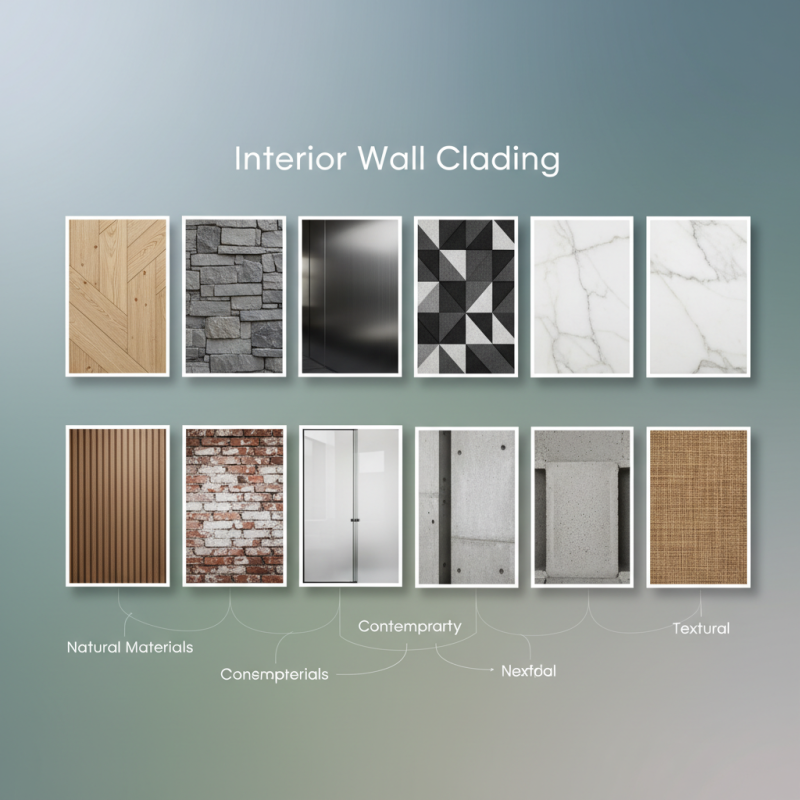
Innovative Materials for Interior Wall Cladding in Modern Design
Innovative materials can transform interior walls into stunning focal points in modern design. Consider using textured wall panels. These can add depth and interest to a room. Natural materials, such as wood or stone, are excellent choices. They create a warm and inviting atmosphere.
Alternatively, explore the use of metal finishes. They can impart a sleek, contemporary look. Using recycled materials for cladding is another eco-friendly option. This choice not only reduces waste but also brings a unique character to your space.
Tips for selecting wall cladding: Think about the room's function. A cozy living space might benefit from soft textures, while a kitchen may call for something more durable. Lighting is crucial. Well-placed LEDs can highlight the cladding's features. Maintain balance; avoid overwhelming the space with too many materials.
Exploring Textured Wall Cladding Options for a Unique Look
Textured wall cladding can dramatically transform modern spaces. It creates depth and visual interest, making interiors feel more inviting. Consider options like reclaimed wood or geometric tiles. These materials add a tactile element that flat surfaces simply can’t provide. Mixing different textures invites experimentation and can lead to stunning outcomes.
One overlooked option is rough stone. Its natural appearance brings organic warmth to any room. On the flip side, stone can be heavy and requires careful installation. Another interesting choice is fabric wall panels. They offer softness and sound absorption, but their maintenance should be managed. Cleaning fabric is often more challenging than hard surfaces.
Playing with scale is essential as well. Large panels can make a bold statement, while smaller accents can serve as subtler details. It's crucial to think about color and how it interacts with light. Dark colors may create a moody atmosphere, but they can also make a space feel smaller. Reflecting on how you want the space to feel is key. Texture has the power to transform, but it requires thoughtful application.
Sustainable and Eco-Friendly Cladding Materials for Interiors
When considering wall cladding options for modern interiors, sustainability takes center stage. Eco-friendly materials are no longer just a trend; they reflect a growing awareness of our environmental impact. Reclaimed wood, for example, adds warmth and character. Each piece tells a story, showcasing imperfections that add to its charm. Using recycled materials can also reduce waste. It transforms something old into stunning finishes.
Bamboo is another excellent choice. It’s renewable and fast-growing, making it a sustainable option. Its unique texture can bring a touch of nature indoors. Cork is also an interesting alternative. It offers sound insulation and is biodegradable. Yet, sourcing can sometimes be questionable. Always check certifications to ensure genuine eco-friendliness. Natural stone adds elegance, but extraction can be harmful. Being mindful of where materials come from is essential in making responsible choices. Selecting sustainable options should challenge us to think deeper about our design decisions.
Tips for Choosing the Right Cladding Style for Your Space
Choosing the right cladding style for your interior space requires thoughtful consideration. Start by assessing the mood you want to create. Are you aiming for a cozy, rustic feel, or a sleek, modern vibe? Explore materials that align with your vision. Wood can offer warmth, while metal or concrete can add an industrial edge.
Consider the maintenance aspect of your choices. Natural materials may require regular upkeep, while synthetic options can offer durability with less care. Think too about the lighting in the room. Dark colors absorb light, making spaces feel smaller. Lighter tones can open up environments and create a sense of airiness.
Don’t overlook texture. A smooth surface can evoke sophistication, while a rough finish may enhance character. Test samples on your walls to see how they interact with your space. What looks great in a showroom might not translate well to your home. Keep experimenting until you find a balance that resonates with your personal style. Remember, a well-clad wall doesn’t just look good; it tells a story about who you are.
Integrating Color and Patterns in Modern Wall Cladding Techniques
Modern wall cladding techniques are evolving, integrating color and patterns to create unique interior spaces. According to a recent report by the Market Research Future, the global wall cladding market is projected to grow significantly, driven by aesthetic appeal and energy efficiency. This indicates an increasing trend towards the use of color and patterns, as homeowners and designers seek to enhance visual interest in modern interiors.
Incorporating bold hues and geometric patterns can dramatically alter a room’s atmosphere. Textured wall panels, such as those made from wood or composite materials, offer depth. Adding a vibrant accent wall with a striking pattern can serve as a focal point in minimalist spaces. However, the challenge lies in maintaining balance; overwhelming color choices may clash instead of complementing existing decor.
Sustainability is another critical factor. The surge in eco-friendly materials in wall cladding reflects a growing consciousness. Yet, the aesthetic appeal of these materials may sometimes fall short. Designers often grapple with blending eco-conscious choices and vibrant designs. The pursuit of impactful visuals while adhering to sustainable practices can lead to limitations in material selection. Ultimately, careful consideration is essential to achieve the desired look without compromising sustainability.