
What Is the Best Robotic Pool Cleaner in 2026?
Choosing the best Robotic Pool Cleaner in 2026 is not just a matter of picking the model with the longest feature list. Pool shape, surface, debris, and daily use all affect performance. A cleaner that handles oak leaves well may struggle with fine dust. Another may climb a curved wall but leave steps untouched. Small details matter.
Pool-care educator Matt Giovanisci, founder of Swim University, offers a useful principle that can be distilled this way: “Choose for your pool, not for the brochure.” This guide applies that idea to the features shoppers can verify: floor and wall coverage, filtration, cable or cordless design, scheduling, app controls, and ease of cleaning. It also considers practical ownership details, such as lifting a wet unit from the water and rinsing a clogged filter basket after a windy afternoon.
Convenience counts. So does upkeep. No single Robotic Pool Cleaner is best for every pool, and specifications alone cannot capture every real-world frustration. A comparison may also miss differences in debris, water chemistry, or how carefully a pool is maintained. Keep that limitation in mind. The sections ahead weigh strengths and trade-offs, helping readers match a cleaner to their pool rather than chase impressive-sounding claims.
What a Robotic Pool Cleaner Is and How It Works
What Is the Best Robotic Pool Cleaner in 2026?
What a Robotic Pool Cleaner Is and How It Works
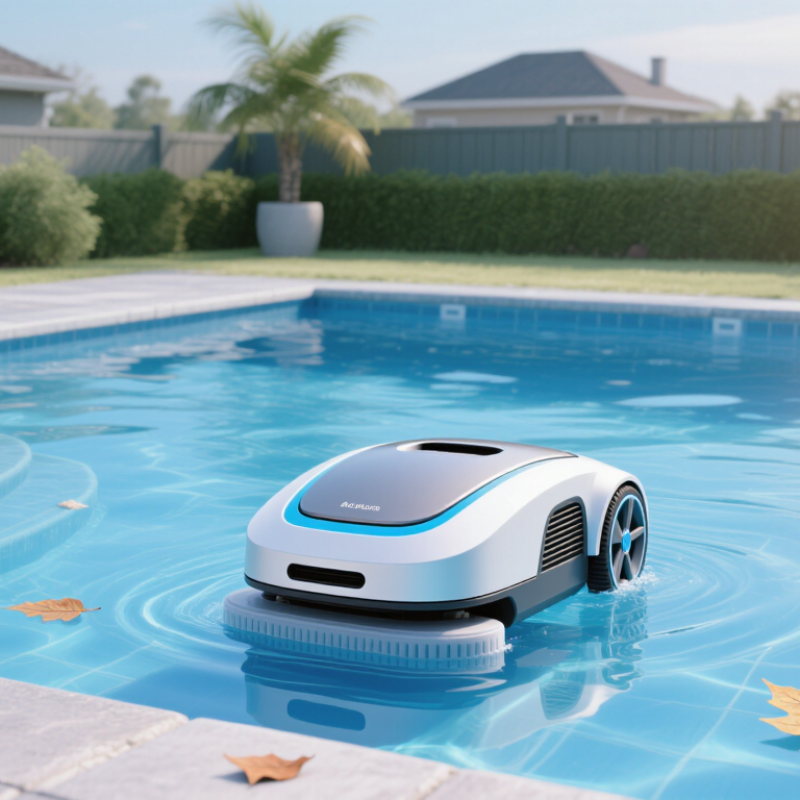
A robotic pool cleaner is a self-contained machine that moves underwater to collect debris from pool surfaces. Unlike a suction-side cleaner, it typically uses its own motor, pump, and filter basket. No hose is needed. A low-voltage cable connects the unit to a power supply kept outside the water.
Once started, the cleaner’s motor drives wheels or tracks, while the pump draws water and traps leaves, grit, and fine particles in its filter. Many models climb walls and clean the waterline, though performance depends on the pool’s shape, surface, and the machine’s design. Some use sensors or programmed patterns to map their route. The path is rarely perfect, and tight corners or steps may need extra attention.
When choosing one, consider your pool’s size, surface type, and the debris it collects most often. A fine filter can catch small particles, but it may need cleaning more frequently. After each cycle, rinsing the basket helps maintain water flow; inspect the brushes and cable for wear, too. A robotic cleaner can reduce routine vacuuming, but it does not replace water testing or occasional hands-on checks.
What Is the Best Robotic Pool Cleaner in 2026? - What a Robotic Pool Cleaner Is and How It Works
| Part or Feature | What It Does | How It Works | Practical Considerations |
|---|---|---|---|
| Robotic pool cleaner | Automatically collects debris from pool surfaces and, on many models, filters water as it cleans. | An onboard motor drives the cleaner while a pump draws water and debris through an internal filter. | Cleaning capabilities differ by model. Check whether it is designed for floors only, or also walls and the waterline. |
| Power supply | Provides electrical power to the cleaner. | Many corded models use an external control unit that supplies low-voltage power to the underwater robot. | Power arrangements vary. Use the supplied equipment and follow its placement, connection, and electrical-safety instructions. |
| Drive motor and wheels or tracks | Move the cleaner across the pool and help it climb, where supported. | A motor turns wheels or tracks; traction helps the robot travel over the pool surface. | Climbing ability depends on the cleaner’s design and the pool’s surface, shape, and slope. |
| Pump and impeller | Move water through the cleaner and carry debris toward the filter. | The pump creates water flow through an intake and an onboard filter, then returns filtered water to the pool. | Flow rate and debris-handling capacity vary. A robotic cleaner typically works independently of the pool’s main circulation system. |
| Filter basket or cartridge | Captures leaves, grit, and other debris drawn into the cleaner. | Water passes through a removable filter that retains particles while allowing water to flow back out. | Filter openings affect the size of particles captured. Empty and rinse the filter as directed to maintain water flow. |
| Brushes | Loosen dirt and algae-like buildup from pool surfaces so it can be drawn into the intake. | Rotating or fixed brushes make contact with the pool surface as the cleaner moves. | Brush material and suitability depend on the pool finish. Brushing does not replace appropriate water treatment. |
| Sensors and navigation | Help the robot move around the pool and respond to obstacles or edges. | Depending on the model, sensors and programmed movement patterns guide direction changes and cleaning routes. | Navigation methods differ. Pool shape, steps, drains, and obstacles can affect route coverage. |
| Cleaning coverage | Defines which pool areas the cleaner is designed to clean. | Some models travel along the floor; others can climb walls or clean near the waterline. | Confirm the stated coverage before choosing a cleaner. Not every model cleans every surface or pool feature. |
| Cord or cordless operation | Connects a corded cleaner to its power supply, or allows a cordless model to operate on its battery. | Corded models receive power through a cable; cordless models use an onboard rechargeable battery. | Runtime, charging time, cable handling, and pool-size suitability vary by model. Follow the manufacturer’s operating guidance. |
| Cleaning cycle | Sets how long the robot operates during a cleaning session. | A selected or programmed cycle runs the drive and filtration systems for a defined period. | Cycle length and available controls vary. Remove the cleaner from the pool and maintain it according to its instructions. |
Selection tip: The best cleaner depends on pool size, shape, surface, typical debris, and the areas that need cleaning. Compare verified coverage, filter design, power arrangement, maintenance requirements, and warranty terms for the specific model.


