How to Choose the Best Sliding Glass Door for Your Home?
When it comes to enhancing your home’s style and functionality, choosing the right Sliding Glass Door is crucial. Expert architect Jane Smith emphasizes, “A well-selected sliding door can seamlessly connect indoor and outdoor spaces.” Her words highlight the importance of aesthetics and practicality in this decision.
Sliding Glass Doors can transform your living environment. They offer natural light, beautiful views, and easy access to your backyard or patio. However, selecting the ideal door requires careful consideration. There are various styles, materials, and features to explore. Each decision impacts security, energy efficiency, and overall design.
Don’t just focus on price or brand. Think through the long-term effects of your choice. It’s essential to strike a balance between aesthetic appeal and practical solutions. Reflecting on your needs and lifestyle will lead you to the best decision. Your Sliding Glass Door should not only look great but also serve as a reliable entryway for years to come.
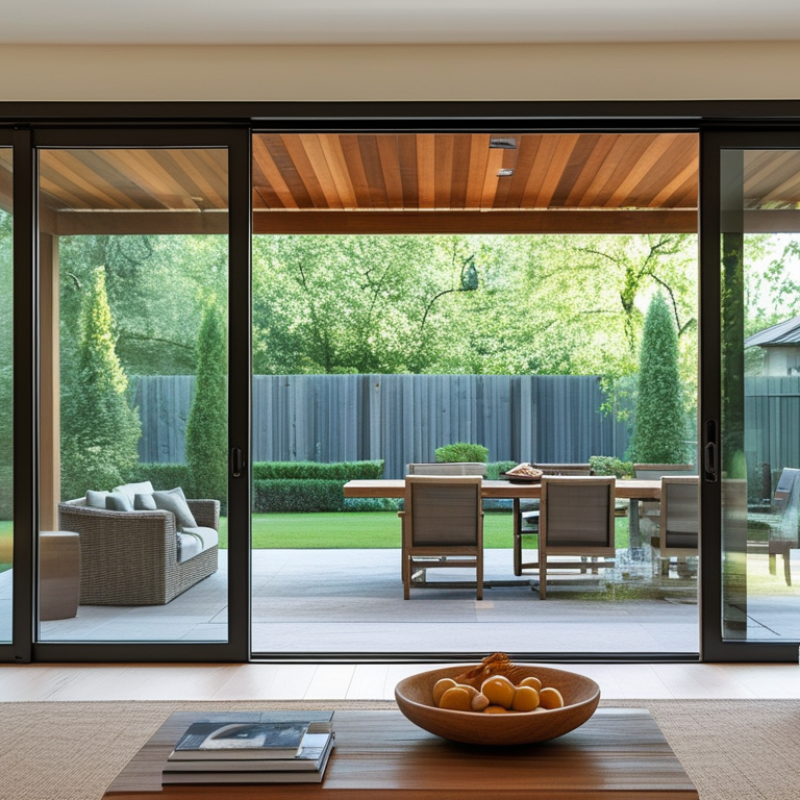
Understanding the Different Types of Sliding Glass Doors
When exploring sliding glass doors for your home, it's essential to understand the various types available. Each type serves different purposes and functions. Common options include bypass doors, pocket doors, and accordion doors. Bypass doors slide along the track, allowing for easy access while conserving space. Pocket doors slide into the wall, providing a seamless look but requiring more structural work. Accordion doors fold up, making them ideal for wider openings.
Tips: Measure your space accurately before making a choice. Consider the width of your opening and the installation area. Think about the design and material—frames made of vinyl, aluminum, or wood each offer different aesthetics and insulation properties. While choosing, reflect on how each type interacts with your existing home layout.
Another aspect to consider is energy efficiency. Look for double-glazed options that provide better insulation. However, always keep in mind the balance between style and practicality. Inspect the quality of the locking mechanism, and remember that a secure door is just as important as its appearance. Evaluate your needs honestly; what looks good may not always be the best choice for lasting functionality.
How to Choose the Best Sliding Glass Door for Your Home?
| Type | Material | Energy Efficiency | Security Features | Price Range |
| Standard Sliding Glass Door | Aluminum | Average | Basic Locking Mechanism | $700 - $1,200 |
| Triple Track Sliding Glass Door | Vinyl | High | Multi-Point Locking System | $1,200 - $2,000 |
| Bi-Fold Sliding Door | Wood | Very High | Advanced Security Features | $2,500 - $4,500 |
| Pocket Sliding Glass Door | Fiberglass | High | Reinforced Frame | $2,000 - $3,500 |
Key Features to Consider When Selecting Sliding Glass Doors
Choosing the right sliding glass door is crucial for your home’s aesthetic and function. One key feature to consider is energy efficiency. According to the U.S. Department of Energy, reputable sliding glass doors can reduce heating and cooling costs by up to 30%. Look for options with double or triple-pane glass, Low-E coatings, and insulated frames. These elements enhance performance and comfort while reducing energy bills.
Security is another critical aspect. Many homeowners underestimate the importance of strong locking mechanisms. Studies show that nearly 20% of burglaries occur through sliding doors. Investing in reinforced locks and impact-resistant glass can significantly improve safety. Additionally, consider a door with an integral security frame to deter intruders effectively.
Aesthetics also play a vital role. Sliding glass doors come in various designs and finishes. It’s important to choose a style that complements your home’s architecture. Glass doors with large panes create a sense of openness and connect interior spaces with the outdoors. Be cautious about maintenance, however. While easy to operate, dirt and debris can hinder performance over time. Regular cleaning of tracks is essential for long-lasting usability.
Assessing Energy Efficiency in Sliding Glass Door Options
When selecting a sliding glass door, energy efficiency is crucial. According to the U.S. Department of Energy, poorly insulated doors can lead to a significant increase in energy bills. In fact, up to 30% of a home's heating and cooling costs can escape through inefficient doors. This statistic underscores the importance of choosing products with high thermal performance.
Look for doors with a low U-factor, typically below 0.30, which indicates better insulation. Choose double or triple-paned glass, as they reduce heat transfer. Additionally, consider doors with Low-E coatings. These coatings reflect heat while allowing light to enter, enhancing energy efficiency. While these options might have a higher upfront cost, they often lead to long-term savings on energy.
Examine NFRC ratings, as they provide transparency on energy performance. Doors with high ratings have undergone rigorous testing. Some may still fail to meet expectations after installation. Occasionally, gaps may develop, leading to drafts. Regular maintenance can help mitigate these issues, like ensuring proper sealing and checking for visible wear. Understanding these details can lead buyers toward choices that save energy and improve comfort.
Choosing the Right Material for Your Sliding Glass Door
Choosing the right material for your sliding glass door is essential. The most common materials include vinyl, aluminum, and wood. Each has unique benefits and drawbacks that may impact your decision.
Vinyl is popular due to its energy efficiency. According to a report by the Energy Efficiency and Renewable Energy (EERE), vinyl doors can reduce energy costs by up to 20%. They are also resistant to moisture and low maintenance. However, their color options are limited, which might not suit every homeowner's aesthetic preference.
Aluminum offers a sleek, modern look. It's durable and can withstand harsh weather conditions. However, aluminum conducts heat well, which may lead to energy loss. A study by the Fenestration and Glazing Industry Alliance (FGIA) suggests that thermal breaks can improve the energy efficiency of aluminum doors. Wood adds a natural beauty and can be customized in various finishes. Unfortunately, it requires more maintenance and can be susceptible to warping and insect damage. Balancing these factors is crucial in making the right choice for your home.
Sliding Glass Door Material Comparison
Installation and Maintenance Tips for Sliding Glass Doors
When installing a sliding glass door, consider the track system. The right track system ensures smooth operation and durability. Professional installations suggest using a high-quality aluminum or vinyl frame. According to the National Glass Association, proper installation can reduce air leaks by 70%. This enhances energy efficiency, which is crucial for reducing utility bills.
Regular maintenance is essential to keep sliding doors in top condition. Cleaning the tracks frequently prevents debris buildup. A monthly wipe with a damp cloth is often sufficient. Check the rollers at least twice a year. If you hear squeaking noises, it might be time for lubrication. Use a silicone-based spray for this purpose. Neglecting maintenance can lead to misalignment, making the door difficult to operate.
If you notice drafts or condensation, reassess the installation. A poorly installed door may result in significant heat loss. Studies show that nearly 30% of a home's energy loss occurs through improper door and window installations. Without attention to detail, you could face costly repairs in the future.