How to Choose the Right Wall Panel Special Adhesive for Your Needs?
Selecting the right wall panel special adhesive is crucial for achieving optimal results in any construction or renovation project. Reports indicate that more than 40% of construction failures stem from improper adhesive selection. This highlights the importance of choosing the right wall panel special adhesive for your specific needs. A well-chosen adhesive ensures structural integrity and durability.
Industry standards and expert recommendations suggest that different panels require different adhesive properties. For instance, moisture-resistant adhesives are essential for bathrooms and kitchens. In contrast, heavy-duty panels may need adhesives that offer greater bonding strength. Understanding these distinctions will guide you in making informed choices.
It's important to recognize that not all adhesives perform equally. Sometimes, standard products fall short of expectations, particularly when used in challenging environments. This is where specialized options come into play. Evaluate your project requirements thoroughly and consider consulting with professionals. A strategic approach can save time, reduce costs, and enhance overall installation quality.
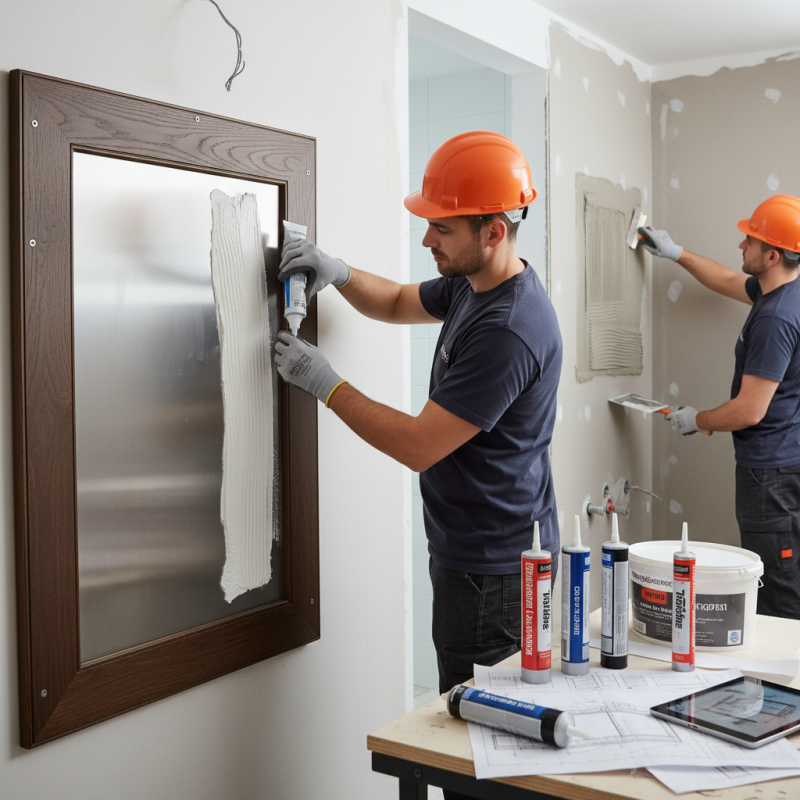
Understanding the Different Types of Adhesives for Wall Panels
When choosing an adhesive for wall panels, understanding the types available is crucial. There are several categories of adhesives designed for different materials. For instance, there are acrylic adhesives that bond well with wood and composite panels. Their quick-drying property is advantageous, but they may not hold up under extreme humidity.
Another common choice is polyurethane adhesive. This type provides strong bonds and is water-resistant. However, it requires careful handling, as it can be messy and hard to clean if not managed properly. Users often find it challenging to apply evenly, leading to uneven panel placement if rushed.
Lastly, contact adhesives offer a different application method. While they can create an instant bond, the need for precise positioning makes them tricky. A slight misalignment can lead to waste and frustration. Understanding these options helps you select the right adhesive, tailored to your specific needs, ensuring more successful wall panel installation.
Factors Influencing the Selection of Wall Panel Adhesives
When selecting wall panel adhesives, there are several key factors to consider. The type of material is crucial. Wood, PVC, and metal all require different adhesive properties for optimal bonding. Assessing the surface condition is equally important. A clean, smooth surface will provide better adhesion than a rough, dirty one.
Temperature resistance is another factor that can greatly influence your choice. If you are working in an environment with extreme heat or cold, select an adhesive that can withstand these conditions. Some adhesives may struggle in high humidity areas as well.
Tip: Always conduct a small test patch before full application. This can save time and materials.
Further, consider the drying time of your adhesive. Some products set quickly, while others require more time before they bond completely. If you’re in a hurry, a fast-drying option may seem tempting but may compromise long-term strength.
Tip: Read all product specifications carefully to avoid errors.
In conclusion, choosing the right adhesive requires thoughtful consideration of your specific needs. Past experiences can guide you, but each project may reveal new challenges. Always stay open to learning more.
How to Choose the Right Wall Panel Special Adhesive for Your Needs? - Factors Influencing the Selection of Wall Panel Adhesives
| Adhesive Type | Ideal Surface Material | Curing Time | Temperature Resistance | Water Resistance | Recommended Use |
| Polyurethane Adhesive | Wood, MDF, and Particle Board | 24 hours | -40 to 120 °C | High | Interior and Exterior Use |
| Epoxy Adhesive | Metal, Glass, and Ceramic | 24 to 48 hours | -55 to 100 °C | Moderate | Industrial Applications |
| Acrylic Adhesive | Acrylic and Styrene | 24 hours | -20 to 80 °C | Moderate | Signage and Displays |
| Contact Cement | Laminate and Veneer | Immediate bonding | -20 to 90 °C | Low | Furniture and Paneling |
| Silicone Adhesive | Glass, Metal, and Plastic | 24 hours | -60 to 200 °C | High | Sealing and Insulation |
Performance Metrics: Strength, Durability, and Weather Resistance
When selecting a wall panel adhesive, focus on performance metrics. Strength is crucial for ensuring that panels stay in place. A strong adhesive forms a reliable bond. It withstands the weight of the panels over time. Look for products that offer high initial grab and shear strength. Testing these properties in various conditions can help inform your choice.
Durability is equally important. An ideal adhesive should resist wear and tear. It must maintain its bonding characteristics under stress. High humidity and temperature fluctuations can challenge adhesive performance. Not all adhesives handle these conditions well. Investigating longevity through user reviews can provide insights into real-world performance.
Weather resistance is a key factor. Outdoor applications expose adhesives to harsh elements. Select products that can withstand UV rays and moisture without degrading. Some adhesives may fail over time when used outside. Evaluate the specific environmental conditions you expect. It’s worth considering how different adhesives perform in various climates. This can guide your decision significantly. Addressing these performance factors will lead to a more effective choice.
Environmental Considerations in Choosing Adhesives for Wall Panels
Choosing the right adhesive for wall panels involves considering environmental impacts. Many adhesives contain volatile organic compounds (VOCs), which can harm indoor air quality. According to the EPA, VOCs can lead to headaches, nausea, and long-term health issues. Opting for low-VOC adhesives can mitigate these risks. Look for adhesives labeled as “green” or “environmentally friendly.” These products often have reduced levels of harmful chemicals.
Different applications may require different adhesives. For example, exterior wall panels need adhesives that withstand moisture and temperature changes. A recent industry report highlighted that water-based adhesives are popular for their eco-friendliness. They typically emit fewer harmful chemicals compared to solvent-based options. Ensure that the adhesive aligns with both environmental standards and your specific project needs.
Tips: Always read product labels carefully. Ensure that adhesives comply with environmental regulations. Consider consulting with a professional for specific requirements. Make informed choices to protect your health and the environment. Keep in mind that not all eco-friendly products perform equally. Some may not provide the necessary bond strength. Testing different options can help you find the best fit for your project.
Cost Analysis: Budgeting for Quality Adhesive Solutions
Choosing the right wall panel adhesive is crucial for any project. A significant factor to consider is cost, as quality often correlates with price. According to a recent industry report, high-quality adhesives can range from $10 to $30 per gallon. This variation in price reflects differences in performance and durability.
When budgeting, think about the scope of your project. For smaller applications, lower-cost options might suffice. However, investing in premium adhesives may save time and reduce future repairs. Experts recommend allocating at least 15% of your total project budget for adhesive materials. This percentage helps secure a strong bond and can prevent costly mistakes.
Tip: Always check for volume discounts when purchasing adhesive in bulk.
Another consideration is the specific characteristics of the adhesive. Some require long curing times, while others bond quickly. Instant bonds can be more expensive but facilitate faster project completion. Balancing upfront costs with long-term benefits is essential.
Tip: Conduct a small test application before committing to a purchase.
Reflect on the long-term value versus initial costs. A more affordable adhesive might seem appealing, yet its shortcomings could lead to higher expenses down the line. Prioritize reliability and effectiveness to ensure your project stands the test of time.
Cost Analysis of Wall Panel Special Adhesives