How to Choose the Best Smart Home Panel for Your Needs?
Choosing the right Smart Home Panel can be overwhelming. With countless options on the market, finding one that fits your needs is crucial. A Smart Home Panel serves as your central hub, connecting various devices in your home. It enhances convenience and efficiency, but how do you know which is best?
Start by evaluating your home's unique requirements. Consider the size of your space and the number of devices you plan to control. Some panels may not support all devices, which can limit functionality. Taking the time to do research can help you avoid making a hasty decision.
Don't overlook user experience; it plays a significant role in satisfaction. Some panels have complex interfaces and can be challenging to navigate. Read reviews from reliable sources to gauge the ease of use. Reflect on how technology can simplify your life. A well-chosen Smart Home Panel can enhance your daily activities significantly, while a poor choice might lead to frustration and wasted investment.
Understanding Smart Home Panels: Key Features and Functionality
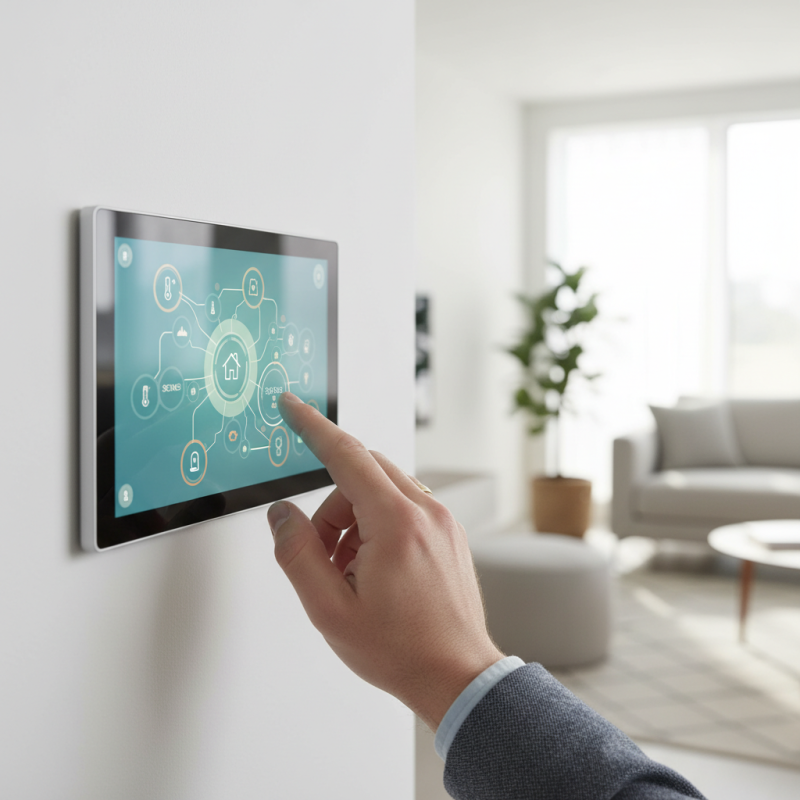
Smart home panels serve as the central hub for connecting various devices and systems in your home. When choosing a panel, consider its compatibility with your existing devices. Compatibility affects your ability to integrate lighting, security cameras, and climate controls seamlessly.
Touchscreen functionality is a common feature. This allows users to manage devices easily. However, not all touchscreens are created equal. Some may lag or lack responsiveness. Evaluate the interface for user-friendliness. Often, a complex interface can lead to frustration.
Another critical aspect is security features. Many panels connect to Wi-Fi, which could expose your home to risks. Look for robust encryption and two-factor authentication to ensure that your data is protected. Reflect on how often you update your panel. An outdated system can be a security vulnerability. Regular updates enhance security, adding to the reliability of your smart home experience.
Assessing Compatibility: How to Choose the Right Ecosystem for Your Devices
Choosing the right ecosystem is crucial when selecting a smart home panel. Compatibility among devices is often overlooked, leading to frustration. A smart home system should ideally integrate appliances, lights, and security devices seamlessly. This means looking for panels that support multiple communication protocols like Zigbee, Z-Wave, or Wi-Fi.
Consider your existing devices. Do they share the same communication standards? If not, you may face significant limitations. Some devices may not function at all, while others can work sporadically. It’s important to assess compatibility upfront. Check whether the smart panel can update its software. This ensures it stays compatible with future devices.
Think about long-term use. Will your smart home needs evolve? A panel that seems perfect now may feel restrictive later. While it may be tempting to choose a less expensive option, this could lead to a lack of adaptability. An ineffective system can derail your smart home experience, causing you to rethink your choices. Investing in a versatile system pays off in the long run.
Compatibility of Smart Home Devices with Various Ecosystems
This chart represents the compatibility of different smart home device categories with popular ecosystems. The data reflects the percentage of devices compatible with Amazon Alexa, Google Assistant, and Apple HomeKit.
Evaluating User Interface: Importance of Usability in Smart Home Panels
Choosing the right smart home panel hinges significantly on usability. A panel’s user interface can make or break your overall experience. An intuitive design allows users to control devices with ease. Complex menus and confusing layouts frustrate users. Simple icons and clear instructions are essential for accessibility.
When evaluating a smart home panel, consider the buttons and touch responsiveness. Panels should be responsive and tactile. A laggy interface can disrupt routines and create annoyance. Also, think about the learning curve. Some panels are difficult for all ages. It's important to ensure that every family member can operate it efficiently.
Personalization features matter too. They enhance usability by tailoring the experience. However, not all panels allow for this. Balancing customization with simplicity is crucial. Many users face challenges in finding the right level of personalization. Ultimately, a usable interface empowers users. It enhances their smart home experience significantly.
Cost Analysis: Budgeting for Your Smart Home Panel Purchase
When budgeting for a smart home panel, understanding the costs involved is essential. According to industry reports, the average smart home panel can range from $100 to $800, depending on features and specifications. A basic model may provide limited functionality, while a more advanced panel offers extensive automation options. Users often overlook installation costs, which can add an additional $100 to $300 if done professionally.
It’s also vital to consider operational costs. Data from a recent survey highlights that many homeowners underestimate energy consumption linked to smart devices. A smart panel can increase energy efficiency, but users should account for their electricity bill. Regular updates and app subscriptions can impact the overall investment. Many panels also require compatibility with various devices, which may lead to additional costs if upgrades are necessary.
Choosing the right smart home panel isn't just about initial purchase price. Future expenses can sneak up on consumers. Allocating a budget for potential upgrades ensures a smoother transition to a fully automated home. Balancing initial costs with long-term savings and functionality is crucial for making an informed decision.
Future-Proofing Your Home: Considering Upgrade and Scalability Options
When choosing a smart home panel, consider future-proofing your investment. The technology landscape is ever-evolving. If your system can't adapt, you’ll face challenges down the road. Looking for upgrade options is essential. Panels that support modular technology allow you to add features later. This flexibility saves costs and enhances your home's functionality.
Tips: Research compatibility with current devices. Ensure you can replace or upgrade individual components without overhauling the entire system. A panel that supports a range of protocols can be beneficial for this reason.
Remember, scalability matters. Some panels might seem sufficient now but could limit your options later. Investigate how future upgrades can be integrated seamlessly. Ask yourself, "Will this meet my needs in five years?" Your choice should reflect not only present capabilities but also future ambitions.
Tips: Seek expert reviews and user feedback. This insight can reveal potential pitfalls. Always consider how new technology could replace older systems. A good investment today might not serve you tomorrow. Be proactive and think long-term.
How to Choose the Best Smart Home Panel for Your Needs?
| Feature | Description | Importance | Scalability Options |
| User Interface | Intuitive and easy-to-navigate interface for all users. | High | Integrates with future updates and new devices. |
| Compatibility | Works with a wide range of smart home devices and protocols. | Critical | Supports adding more devices as technology evolves. |
| Voice Assistant Integration | Ability to connect with popular voice assistants (e.g., Alexa, Google Assistant). | High | Easily upgradable with new voice capabilities. |
| Security Features | Advanced security protocols and user privacy controls. | Very High | Can incorporate future security updates. |
| Customization Options | Ability to customize settings and automation as per user preferences. | Moderate | Flexibility to add new functionalities as desired. |