
top of page

How to Choose Cat Antiseptic Wipes in 2026?

Choosing Cat Antiseptic Wipes in 2026 requires more than comparing package sizes or attractive claims. A suitable product should match your cat’s skin condition, age, coat type, and veterinary guidance. Wipes may help clean minor surface contamination, paw debris, or irritated skin around small areas. They should never replace professional care for deep wounds, swelling, pus, severe bleeding, or persistent discomfort.

Read the ingredient list carefully. Veterinary professionals often recommend checking the antiseptic agent, fragrance content, alcohol level, and possible allergens. A wipe that feels gentle on human hands may still sting a cat’s cracked paw. Watch your cat’s reaction closely. Redness, excessive licking, hiding, or sudden scratching can signal irritation. Choose sealed packaging with clear directions, batch information, and a realistic expiration date. Moisture should remain evenly distributed, not pooled at the bottom.

Practical details matter. The sheet should be large enough to clean one area without repeated rubbing. Soft texture helps around toes, folds, and the outer ear, but ear canals require special caution. Never use a product simply because it says “antibacterial.” That label does not prove it suits feline skin. No wipe is perfect. Even careful owners can over-clean sensitive areas or miss an underlying infection. A trusted choice combines transparent labeling, responsible manufacturing, and advice from a licensed veterinarian. In 2026, the smartest approach is careful selection, gentle handling, and honest attention to what your cat’s skin is showing.
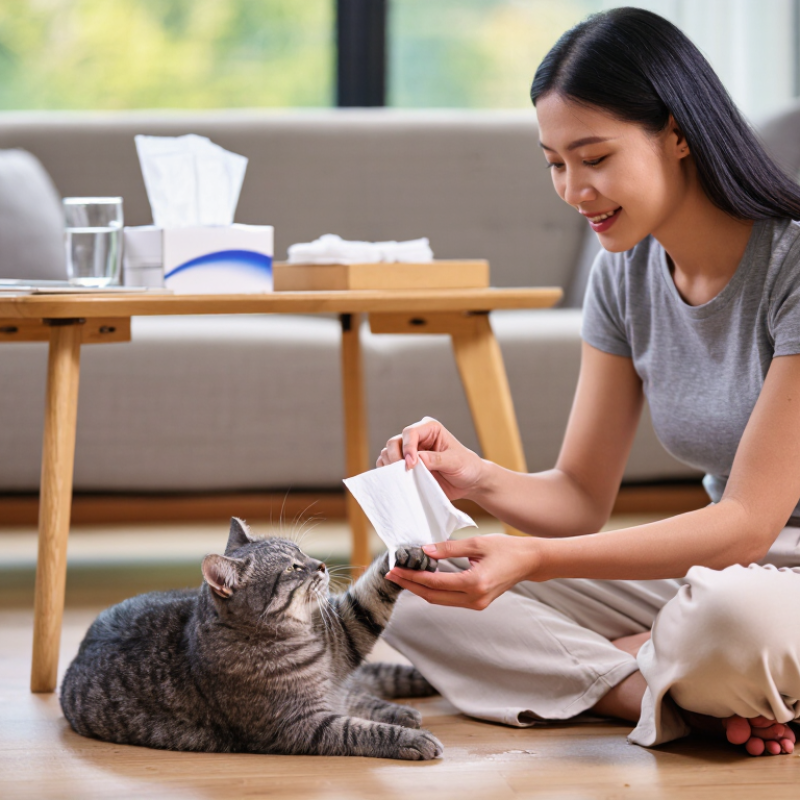
How to Choose Cat Antiseptic Wipes in 2026?

What Cat Antiseptic Wipes Are and How They Work

Cat antiseptic wipes are pre-moistened pads designed to clean small areas of feline skin, paws, or fur. They usually combine a cleansing liquid with an antiseptic ingredient. The cleanser lifts dirt, oils, and surface debris. The antiseptic then reduces selected microorganisms on the skin. Results depend on the ingredient, concentration, and contact time.

APPA’s 2023–2024 National Pet Owners Survey reported 46.5 million U.S. households owned cats. Its 2024–2025 report estimated 49.6 million. These figures show a large care market, but they do not prove that every wipe is safe or effective. Choose products labeled for cats, with clear ingredients and usage directions. Chlorhexidine may support skin cleansing, while alcohol-based formulas can sting or dry sensitive tissue. Never use a wipe inside the mouth, near the eyes, or on deep wounds without veterinary advice. Cats groom constantly. Residue matters.

Tips: Hold the paw gently and wipe between the toes, not forcefully. Use one clean section per area. Let the coat dry before grooming. Stop if redness, swelling, or repeated licking appears. A wipe may be convenient, but it is not a substitute for diagnosis. I would also check the expiry date and test a small area first; even careful choices can occasionally irritate a cat.

How to Choose Cat Antiseptic Wipes in 2026?

What Cat Antiseptic Wipes Are and How They Work

Cat antiseptic wipes are pre-moistened products designed to help clean minor skin contamination and reduce surface microorganisms. The chart shows representative active-ingredient concentrations commonly encountered in veterinary topical formulations; concentrations vary by product and are not a measure of effectiveness. When choosing wipes, check the active ingredient, labeled concentration, intended use, fragrance-free formulation, and directions for preventing eye, mouth, and deep-wound exposure. Cats may ingest residue while grooming, so use only products labeled for cats or recommended by a veterinarian.

How to Identify Safe Ingredients for Feline Skin

How to Choose Cat Antiseptic Wipes in 2026?

In 2026, choose feline antiseptic wipes by reading the ingredient panel, not the front label. APPA’s 2025 National Pet Owners Survey reported 49.6 million U.S. households owned cats. That scale makes ingredient literacy practical, not academic. For routine surface cleaning, look for sterile saline or purified water. Some veterinary products use carefully formulated hypochlorous acid. The label should state the intended species, concentration, expiry date, and application area. “For cats only” is not enough.

Avoid tea tree oil, concentrated essential oils, phenols, and heavily perfumed formulas. Cats groom treated fur, so residue can enter the mouth. Alcohol may sting damaged skin and dry surrounding tissue. Hydrogen peroxide can delay healing and irritate wounds. Quaternary ammonium compounds also deserve caution around eyes and mucous membranes. The ASPCA Animal Poison Control Center identifies concentrated essential oils as a pet exposure concern. Risk still depends on dose and exposure route. Never infer safety from a pleasant smell.

Check the veterinary directions carefully. AAFP and ISFM feline-care guidance emphasizes low-stress handling during treatment. Wipe gently, use a fresh pad per area, and stop if redness increases. Do not use wipes inside ears, eyes, or deep wounds without veterinary advice. A common mistake is assuming “natural” means harmless. I still question vague labels such as “botanical blend.” Clear concentrations matter. If licking continues or skin looks painful, seek veterinary assessment instead of adding stronger antiseptics.

How to Match Wipes to Your Cat’s Cleaning Needs

How to Choose Cat Antiseptic Wipes in 2026?

Matching wipes to your cat’s cleaning need matters more than choosing the strongest formula. The APPA 2023–2024 National Pet Owners Survey estimates that 46.5 million U.S. households own cats. That scale reflects a common challenge: cats need different cleaning routines, not one universal wipe. Use gentle, fragrance-free wipes for dusty paws or light coat dirt. Choose veterinary-approved antiseptic wipes only for minor skin cleaning, and follow your veterinarian’s instructions for wounds.

For tear stains, select soft, non-abrasive wipes made for the eye area. Never let liquid enter the eye. For ears, use a feline ear-cleaning product, not a general antiseptic wipe. AAFP and ISFM feline-care guidelines emphasize low-stress handling and careful hygiene. Hold the wipe briefly against the area, then wipe outward. Do not scrub red, swollen, or painful skin. Stop if your cat hides, hisses, or develops irritation. My practical mistake was assuming “natural” meant safer; some essential oils can still harm cats.

Tips: Check the ingredient list and expiration date. Avoid alcohol, strong fragrances, phenols, and human disinfecting wipes. Test one small area first. Keep the package sealed. If redness lasts beyond a day, discharge appears, or the skin smells unusual, contact a veterinarian. A wipe can remove surface debris, but it cannot diagnose infection.

How to Check Product Quality, Packaging, and Expiration Dates

How to Choose Cat Antiseptic Wipes in 2026?

Cat antiseptic wipes deserve careful checking, not just a quick look at the label. APPA’s 2023–2024 National Pet Owners Survey estimated that 66% of U.S. households owned a pet. That scale makes consistent product quality important. Look for a complete ingredient list, stated active concentration, lot number, and clear directions for cats. The fabric should feel moist, not dripping, and should leave no strong chemical smell. Avoid products with damaged seals or unclear manufacturers. “Antiseptic” does not mean suitable for every wound, eye, or sensitive area. Ask a veterinarian when the skin is broken or irritated.

Packaging protects the formula from drying, contamination, and accidental exposure. Choose a firmly sealed container with readable batch information and storage instructions. Check the expiry date before opening. FDA’s Center for Veterinary Medicine explains that expiration dating supports a drug’s potency, purity, and quality throughout its labeled shelf life. Do not use wipes past that date, even if they look normal. A faded date is a warning. I would also question unusually cheap packs, although price alone cannot prove poor quality. My checklist may still miss hidden formulation problems, so transparent testing information matters.

Tips: Photograph the lot number and expiry date. Store wipes away from heat and sunlight. Test one wipe on a small, healthy skin area first. If the package leaks, smells odd, or feels dry, discard it. Always follow veterinary instructions.

How to Use Cat Antiseptic Wipes Safely in 2026

How to Use Cat Antiseptic Wipes Safely in 2026

Choose wipes made specifically for cats and intended for external skin use. Check the active ingredients, expiry date, and storage instructions before opening. Avoid products containing alcohol, hydrogen peroxide, strong fragrances, or essential oils unless a veterinarian approves them. Human antiseptic wipes may irritate feline skin or cause harm after licking.

Wash your hands first. If possible, wear disposable gloves. Gently remove dirt with clean water, then pat the area dry. Use one wipe for a small area, and avoid the eyes, mouth, nose, ears, and deep wounds. Never scrub hard. Let the skin air-dry, and prevent licking until the area is dry. A soft recovery collar may help for persistent licking.

Watch the skin for redness, swelling, heat, bleeding, or unusual discharge. Stop using the wipes if your cat develops vomiting, excessive drooling, rash, or breathing problems. Contact a veterinarian for punctures, bites, large wounds, or injuries near the eye. Antiseptic wipes can support basic hygiene, but they do not replace professional treatment. A common mistake is cleaning too often. I once assumed more cleaning meant faster healing, but irritated skin can worsen. Read the label carefully, and question any ingredient you cannot identify.

How to Choose Cat Antiseptic Wipes in 2026? - How to Use Cat Antiseptic Wipes Safely in 2026
Selection or Safety Dimension Reliable Information Recommended Action Safety Level
Intended animal The packaging should clearly state that the wipes are suitable for cats or for veterinary use. Products designed only for people may contain ingredients or fragrances that are inappropriate for cats. Choose feline-labeled wipes and follow the product label. Ask a veterinarian before using a product intended for another species. Preferred
Antiseptic ingredient Chlorhexidine is commonly used in veterinary topical products, but its concentration and formulation vary between products. The label should identify the active ingredient and directions for use. Use only the stated concentration and application instructions. Do not assume that a stronger concentration is safer or more effective. Check label
Fragrance and additives Fragrances, essential oils, and unnecessary additives can irritate skin or may be harmful if a cat licks them during grooming. Select fragrance-free wipes with a short, clearly listed ingredient panel whenever possible. Preferred
Ingredients to avoid Tea tree oil and other concentrated essential oils can be toxic to cats. Phenolic disinfectants and products containing high levels of alcohol can also irritate tissue or cause harm if licked or absorbed. Do not use household disinfecting wipes, heavily perfumed wipes, or essential-oil wipes on a cat unless a veterinarian specifically directs you to do so. Avoid
Intended body area Most antiseptic wipes are intended for external skin. The eyes, inside of the ears, mouth, nose, genitals, and deep wounds require more specific care. Keep the wipe away from sensitive openings. Use eye or ear products only when they are specifically labeled for that area and for cats. Use carefully
Skin condition Wipes may help clean minor surface contamination, but they do not replace diagnosis or treatment for abscesses, deep wounds, burns, spreading redness, or severe dermatitis. Contact a veterinarian for pus, swelling, heat, bleeding, persistent odor, severe pain, lethargy, fever, or a wound caused by a bite. Veterinary review
Before first application Cats can react to topical ingredients even when a product is marketed for animals. Read the label, check the expiration date, inspect the seal, and test a small area first. Stop if redness, swelling, itching, or discomfort appears. Recommended
Preparation Dirty hands can introduce additional microorganisms to irritated skin. Wash your hands, gently remove visible debris if instructed, and use a fresh wipe for each cleaning session. Do not reuse a wipe. Recommended
Wiping technique Rubbing can damage inflamed skin and increase discomfort. Wipe gently over the affected external skin without scrubbing. Avoid forcing the wipe into a wound or removing scabs unless directed by a veterinarian. Recommended
After application Immediate grooming can increase ingestion of the product and may reduce contact time. Allow the area to dry as directed on the label and prevent licking when necessary. Do not cover the cat with a bandage unless a veterinarian has shown you how. Recommended
Frequency of use There is no universal safe frequency for every antiseptic wipe. Over-cleaning can dry or irritate the skin. Follow the label or veterinary instructions. If the skin becomes drier, redder, or more painful, stop use and seek veterinary advice. Label-dependent
Storage Heat, sunlight, and an unsealed container can dry wipes and reduce product quality. Reseal the package after each use and store it at the temperature stated on the label, out of reach of pets and children. Recommended
Accidental licking or ingestion Small exposure may cause drooling, nausea, or stomach upset; larger or toxic exposures can be more serious. Remove access to the product, do not induce vomiting, and contact a veterinarian or an animal poison service promptly if the cat shows symptoms or ingested a concerning ingredient. Act promptly
When to stop home care Worsening inflammation, discharge, persistent bleeding, a deep puncture, or no improvement indicates that wipes alone may be insufficient. Stop repeated home treatment and arrange veterinary evaluation, especially for kittens, senior cats, or cats with immune, liver, or kidney disease. Veterinary care
Important: Antiseptic wipes are for external topical use only unless the label specifically states otherwise. Product directions and veterinary advice take priority over general guidance.

S O C I A L 

  • Facebook
  • Instagram
  • Pinterest

©2022 by LaFata Cabinets. Proudly created with Wix.com

bottom of page