How to Choose Kitchen Cupboards that Fit Your Style and Needs?
When it comes to designing your kitchen, choosing the right kitchen cupboards can transform both aesthetics and functionality. Kitchen cupboards not only store your essentials but also set the tone for your cooking space. With countless styles, materials, and finishes available, it’s crucial to assess your personal taste and lifestyle needs.
Consider the purpose of your kitchen. Do you entertain often or prefer a minimalist approach? Think about how much storage you require. Open shelving offers a trendy, airy feel, while closed cupboards provide a clean and organized look. Reflect on your daily routines and how the design can support them. Remember, the right choice may be challenging, and it is okay to feel unsure.
Investing in quality kitchen cupboards leads to lasting benefits. However, don’t overlook the practicality of maintenance and durability. Not every style works for every kitchen. Explore various options and consider seeking expert advice if needed. Finding a balance between beauty and utility will ultimately enhance your cooking experience.
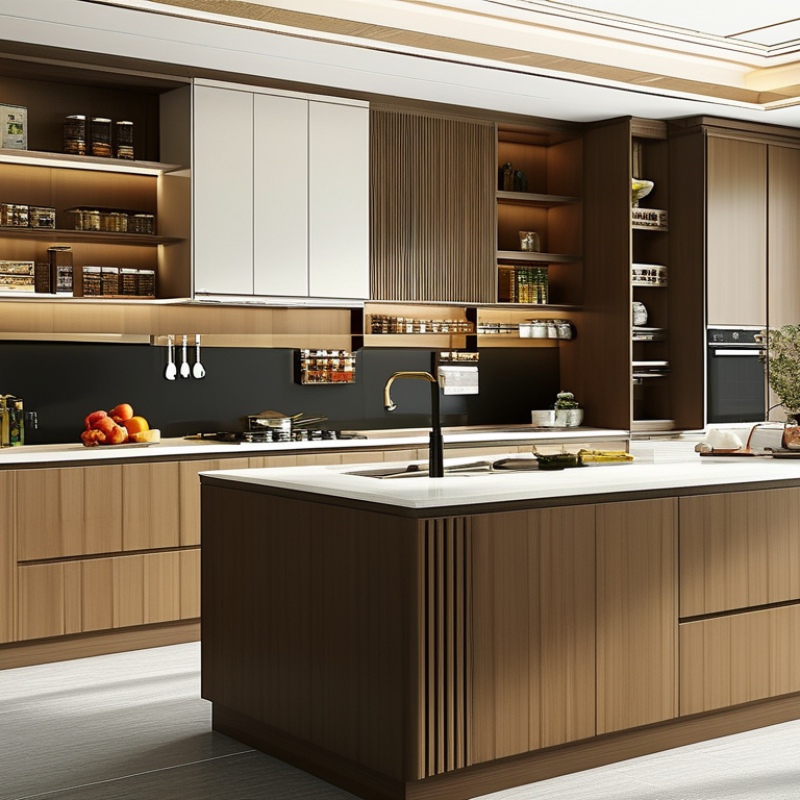
Understanding Different Styles of Kitchen Cupboards
When selecting kitchen cupboards, understanding their styles can guide your choices. Traditional cupboards often feature rich wood, ornate details, and a warm aesthetic. These provide a classic feel and work well in country or rustic kitchens. On the other hand, modern designs lean toward sleek lines, minimalism, and functionality. They use materials like glass and metal for a contemporary vibe.
Transitional styles bridge the gap between traditional and modern. They combine various elements, creating a balanced look. For those who struggle to define their taste, a mix may reflect personal style better. Note that some cabinets may not offer the storage solutions you expect. Assess drawer sizes and shelf heights for practical use.
Also, remember that color impacts mood and perception. Light shades can create an illusion of space, while bold colors add personality. If you're uncertain, consider starting with neutral tones. They provide flexibility for future decor changes. Weigh your options carefully; the right choice can shape your kitchen's entire atmosphere.
Kitchen Cupboards Styles and Their Popularity
Assessing Your Kitchen Space and Layout Requirements
When assessing your kitchen space, start by measuring the area. Understand the layout. Identify zones: cooking, cleaning, and storage. Each zone has different needs. You want cabinets that complement your workflow.
Tips: Consider the height of your cabinets. Are they easily accessible? If you have a small kitchen, go for lighter colors to create an airy feel.
Think about door styles and finishes too. They can drastically change the atmosphere. Subtle textures can add interest without overwhelming. Reflect on how often you cook. If it's frequent, durability is key.
Don’t overlook the importance of organization. Pull-out shelves or lazy Susans can optimize space. Design flaws may lead to chaotic kitchens. Take time to visualize before making decisions. Your choices should enhance both functionality and style.
Selecting Materials and Finishes for Durability and Aesthetics
Choosing the right materials and finishes for kitchen cupboards is vital for both durability and aesthetics. For instance, consider using wood for a warm and inviting look. Oak and maple offer strength and timeless appeal. They can withstand daily wear and tear, making them suitable for busy kitchens. On the other hand, laminate provides a cost-effective, low-maintenance option. It comes in various colors and textures, allowing for creative expression.
Metal finishes, like stainless steel, can add a modern touch. They are easy to clean and resist stains. However, fingerprints can be an issue. This means regular maintenance is required to keep them looking pristine. If you prefer a more rustic feel, distressed finishes on wood can provide character. They might require extra care, as wear patterns can deepen over time.
Ultimately, choosing the right material is about balancing aesthetics with durability. Reflect on your lifestyle and kitchen usage. Will you need flexibility in design? Think about how often you cook or entertain. Sometimes, even a small scratch can influence your perception of quality. Aim for materials that resonate with your personal style while being practical enough for everyday life.
Evaluating Storage Needs and Organization Solutions
When evaluating your kitchen storage needs, it's essential to consider how much space you really have. According to the National Kitchen and Bath Association, 66% of homeowners feel cramped in their kitchen. Start by taking inventory of your cooking tools, dishes, and food supplies. Prioritize the items you use daily, as they will dictate your storage solutions.
Creating an efficient organization system is crucial. Use vertical space by installing shelves or cabinets that reach the ceiling. A study published in the Journal of Consumer Research highlights that accessible storage can significantly improve kitchen workflow and inspiration. If you have awkward spaces, consider pull-out drawers or corner cabinets. About 30% of homeowners report that corner cabinets remain underutilized. Reflect on these issues; not using all available space leads to clutter.
It's also vital to match your cupboards with your precise needs. Custom solutions may seem appealing, but they require careful planning. The average cost of custom cabinetry is around $500 to $1,200 per linear foot. This can lead to hesitation, especially if budget constraints exist. Keep in mind that organization tools such as drawer dividers or lazy Susans provide affordable alternatives. Remember, the goal is to create a kitchen that not only looks good but functions impeccably.
Budgeting Considerations for Kitchen Cupboards Choices
When budgeting for kitchen cupboards, understanding your financial limitations is crucial. A report by the National Kitchen and Bath Association found that the average homeowner spends about $10,000 on kitchen remodels, with approximately 30% allocated to cabinetry. This can guide your spending, yet individual needs vary.
Selecting cabinets that meet style and functional needs must align with your budget. High-quality options often come at a premium. Imported woods or custom designs can easily exceed $20,000. Thus, considering alternatives like prefabricated cabinets could save costs while still providing the desired aesthetic. While it’s tempting to opt for cheaper materials, reflecting on long-term quality and durability is essential.
Compromising on material might lead to issues down the line.
Be mindful of hidden costs in cabinetry installation. This may include hardware, finishes, or lighting. A survey indicated that many homeowners overlook such expenses, which can inflate budgets by 20% or more. Therefore, transparency in all choices is vital. Engage with professionals who can provide insights based on experience, ensuring your budget aligns with your vision.