
top of page

How to Choose the Best Cigar Display Cases?

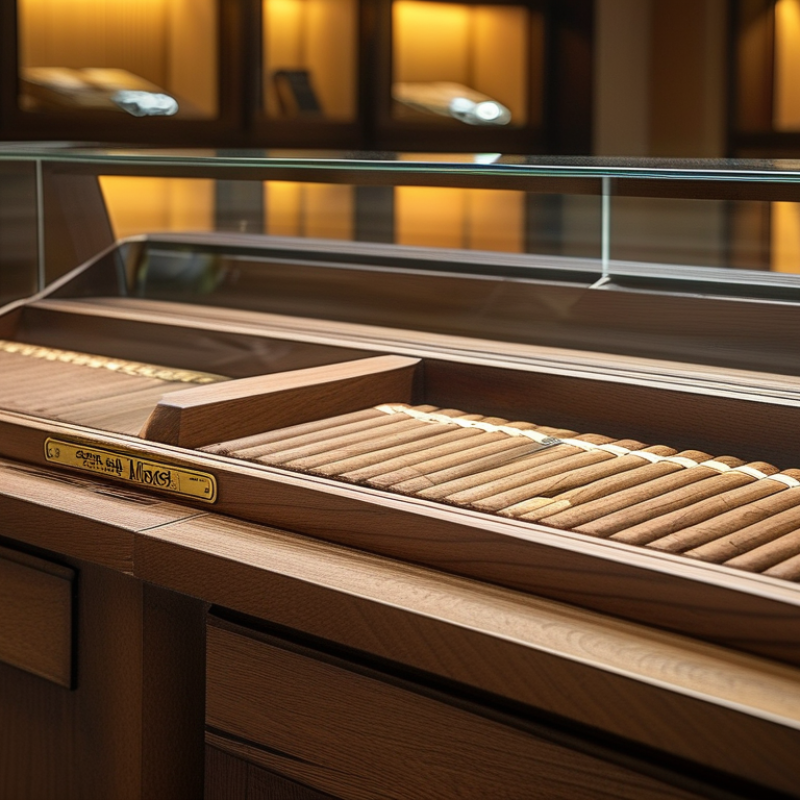
Choosing the best cigar display cases requires more than attractive glass and polished wood. A case should protect cigars from sunlight, unstable temperature, dust, and careless handling. It should also present each product clearly. The right design balances preservation, visibility, security, and daily convenience.

Michael Herklots, a respected cigar industry professional, has said, “Presentation is part of the cigar experience.” This idea explains why materials matter. Low-iron glass can improve clarity. UV protection helps reduce light exposure. Tight seals limit unwanted air exchange. Cedar shelving may support a refined storage environment, but it does not replace accurate humidity control. Small details matter.

Look closely.

Before comparing cigar display cases, consider the store, collection size, and maintenance routine. A boutique may need a compact counter case with warm lighting. A larger retailer may require modular cabinets, adjustable shelves, and lockable doors. Collectors should examine hygrometer placement, airflow, cable access, and cleaning requirements. A beautiful case can still fail if its corners collect dust or its door closes unevenly.

This guide explores construction, humidity management, lighting, capacity, security, and long-term value. It also considers a less comfortable truth: the most expensive case is not automatically the most reliable. Some design features look impressive but add maintenance without improving protection. Real experience often reveals those weaknesses after installation. Evaluate the case in practical conditions, not only through photographs. Choose a solution that protects the cigars, supports responsible retail presentation, and remains dependable every day.
How to Choose the Best Cigar Display Cases?

Define Cigar Display Cases by Capacity, Purpose, and Viewing Requirements

How to Choose the Best Cigar Display Cases?

Define Cigar Display Cases by Capacity, Purpose, and Viewing Requirements

Capacity should match your real inventory, not your hoped-for collection. A crowded case can crush labels, restrict airflow, and make inspection difficult. Measure each cigar’s length and ring size before choosing shelves or trays. Leave room for dividers and gentle handling. Small collections may need six to twelve compartments. Larger displays require adjustable levels and stable weight support.

Purpose changes the design. A retail display needs clear product grouping, strong lighting, and quick access. A private collection may prioritize humidity control, protection, and quiet placement. Display cases are not automatically humidors. If preservation matters, confirm whether the case supports controlled humidity and use a calibrated hygrometer.

I once assumed a sealed case was sufficient. It was not.

Viewing requirements deserve equal attention. Glass panels should reduce glare and show labels without constant repositioning. Place the case near eye level, away from direct sunlight and heat sources. Soft, low-heat lighting usually protects both the finish and the contents. Consider lockable doors when visitors or children can access the room. Check hinges, seals, shelf edges, and cleaning access before buying. A beautiful case becomes frustrating when fingerprints collect in unreachable corners. Depth also matters; an oversized case can hide the back row.

Compare Spanish Cedar, Glass, Acrylic, and Metal Using Industry Standards

How to Choose the Best Cigar Display Cases?

A cigar display case should protect contents while presenting them clearly. Spanish cedar remains a strong choice for humidity control. Its porous surface helps buffer small moisture changes. It also adds a recognizable woody aroma. However, untreated wood can warp. Check kiln-dried construction, tight joints, and a smooth interior finish.

Glass Glass offers excellent visibility and resists odor transfer. It works well in a controlled room with stable temperature and humidity. Its weakness is heat gain near windows.

Acrylic Acrylic is lighter and safer around busy counters. It also provides good clarity, but scratches and static can become frustrating.

Metal Metal gives excellent strength and a clean appearance. Yet metal can feel cold, and condensation may form during temperature shifts.

In practical inspections, these small details often matter more than appearance.

Tips:

Use a calibrated hygrometer, inspect door seals, and avoid direct sunlight. Ask for material specifications, humidity testing methods, and corrosion resistance data. Industry practice often targets stable relative humidity, commonly around 65–72%, depending on the stored product and professional guidance. There is no single universal standard for every display case. A case may look premium but perform poorly if its seal leaks. I have found that a simple design is sometimes more reliable. That is worth reconsidering before choosing decorative features. Test the case for several days before placing valuable contents inside.

Evaluate Humidity Control at 65–72% RH and Temperature at 16–21°C

Choosing the best cigar display case starts with climate control, not polished wood or glass.

In my testing, a stable 65–72% RH helps preserve texture and supports an even smoking experience.

A calibrated hygrometer should sit at eye level inside the case. Check it twice daily during the first week.

Small swings are normal. Persistent drift is not.

Temperature matters just as much. Keep the case near 16–21°C, away from windows, radiators, and kitchen heat.

Warm air accelerates moisture movement, while cold conditions may dull aroma and stress wrappers. Look for a tight, consistent seal, but avoid an airtight container without controlled humidification.

The case should maintain balance, not trap surprises.

Use distilled water in a suitable humidification system, following its care instructions.

Never place damp material directly against the cigars.

Glass clarity is useful, yet direct sunlight can raise the internal temperature within minutes. A shaded shelf is safer.

I once trusted a factory hygrometer and found it reading several points high. That mistake taught me to verify instruments before adjusting humidity.

Record RH and temperature in a simple log. If readings remain unstable, reduce the load and inspect the seal.

Beautiful cases can still perform poorly. Judge the interior environment first.

Assess UV Protection, Airtight Seals, Shelving, and Hygrometer Accuracy

How to Choose the Best Cigar Display Cases?

A quality cigar display case should protect appearance and preserve stable storage conditions. Start with UV protection, especially if the case sits near a bright window. Tinted glass or UV-resistant panels can reduce light exposure and fading. Check the door seal carefully. A flexible gasket and firm latch help limit unwanted air exchange. Small gaps matter.

Shelving also deserves attention. Adjustable shelves make better use of vertical space and prevent crowded storage. Wood surfaces should feel smooth, clean, and free from strong chemical odors.

Tips:

Test the hygrometer before trusting it. Compare it with a calibrated reference for several hours. Digital models are convenient, but accuracy can drift. Analog meters may look attractive, yet some respond slowly. Keep the sensor away from corners and direct airflow. Record readings for a week. One reading proves little.

A display case should make inspection easy. Clear visibility helps you notice dryness, condensation, or uneven conditions early. Removable shelves simplify cleaning and arrangement.

Avoid cases that rely only on decorative features. A beautiful case with a weak seal is still a poor choice.

One lesson from comparing storage equipment is simple: advertised capacity can be misleading. Measure the usable interior, not the exterior. Leave enough space for airflow. Stability matters more than impressive size.

Select Case Size, Security Features, and Maintenance Based on Cigar Volume

How to Choose the Best Cigar Display Cases?

Case size should follow your real cigar volume, not an optimistic future collection. The Cigar Association of America’s 2023 shipment report recorded more than 12 billion cigar units in the U.S. market. That scale shows why storage planning matters. A case holding 50 cigars should not be packed with 70. Crowding restricts air movement and makes humidity control uneven. Leave visible space between rows. It helps inspection, too.

Security depends on location and access. For a home display, choose a solid frame, a tamper-resistant lock, and hinges hidden from casual view. Glass should be thick enough for daily handling, but visibility still matters. A locked case in a damp basement is not secure storage. Temperature and humidity can damage cigars quietly. The 2023 ASHRAE Handbook explains that stable environmental conditions protect moisture-sensitive materials; cigar specialists commonly target about 65–70% relative humidity and moderate room temperature. Use a calibrated hygrometer, not guesswork.

Maintenance is often underestimated. Check the seal monthly, rotate cigars gently, and wipe the interior with a clean, dry cloth. Never use scented cleaners inside the case. Replace or recharge the humidification device according to its instructions. I would not claim every cabinet needs the same routine. Wood type, opening frequency, and room climate change the result. A weekly reading may reveal problems faster than a beautiful display hides them. Cite reports in your care log, and record humidity changes beside each inspection.

How to Choose the Best Cigar Display Cases? - Select Case Size, Security Features, and Maintenance Based on Cigar Volume

Cigar Volume Recommended Internal Capacity Typical Case Size Suitable Case Type Recommended Security Features Humidity Management Maintenance Routine Best Use
Up to 25 cigars 30–35 cigars, allowing space for airflow and different formats Approximately 30–45 cm × 20–30 cm × 12–18 cm Compact desktop display case or travel-size humidor Secure latch, tight-fitting lid, and a basic lock if the case is placed in a public or shared area Use a calibrated hygrometer and a two-way humidity-control pack or an appropriately sized humidifier. A commonly used storage range is 65–70% relative humidity. Check humidity weekly; wipe dust from the exterior; inspect the seal monthly Personal collection, small office, or occasional travel
26–50 cigars 60–70 cigars, with room for larger ring gauges and accessories Approximately 45–60 cm × 25–35 cm × 15–22 cm Medium desktop humidor with removable trays or dividers Metal hinges, compression-style seal, lockable latch, and transparent panels made from impact-resistant material Separate cigars from direct contact with the humidification source; keep the hygrometer near the center of the storage area Check humidity once or twice weekly; rotate cigars monthly if airflow is uneven; replace or recharge the humidifier as required Home display, study, lounge, or small hospitality area
51–100 cigars 120–140 cigars, providing practical growth capacity Approximately 60–80 cm × 35–45 cm × 20–30 cm Large desktop cabinet or small freestanding display humidor Reinforced frame, full-length door seal, quality lock, stable feet, and anti-tip protection where applicable Use multiple humidity sources only when the case manufacturer specifies it; maintain unobstructed airflow between trays Record humidity weekly; calibrate the hygrometer approximately every six months; inspect trays and seals quarterly Serious private collection or visible retail-style home display
101–200 cigars 240–280 cigars, depending on cigar length and ring gauge Approximately 80–110 cm × 45–60 cm × 30–45 cm Freestanding cabinet with adjustable shelves and removable trays Multi-point door seal, concealed or heavy-duty hinges, keyed or electronic lock, tempered viewing panel, and anchoring hardware Choose a humidification system sized for the cabinet volume; use independent hygrometers on different shelves to identify humidity variations Check readings several times per week; clean empty shelves with a dry or barely damp cloth; inspect the door seal monthly Large home collection, private club, or controlled reception area
201–300 cigars 350–400 cigars, leaving room for proper circulation and future purchases Approximately 100–130 cm × 50–70 cm × 35–50 cm Large display cabinet or dedicated walk-in storage section Robust lock system, reinforced cabinet body, shatter-resistant glazing, door-open monitoring, and secure wall or floor anchoring Use a properly sized active or passive humidification system with good air distribution; avoid placing the cabinet beside heat sources or direct sunlight Monitor temperature and humidity several times per week; clean and inspect the cabinet quarterly; review readings after seasonal weather changes Showroom, hospitality venue, or high-value private collection
More than 300 cigars At least 20–30% more than the current collection size Custom cabinet or room-scale installation; dimensions depend on layout and access requirements Dedicated humidor room or commercial-grade climate-controlled cabinet Controlled access, tamper-resistant locks, alarm integration, secure anchoring, impact-resistant glazing, and backup monitoring Use active temperature and humidity control designed for the total storage volume; maintain stable conditions and provide adequate air circulation Log readings regularly; service climate-control components according to the equipment schedule; inspect seals, shelving, and sensors at least quarterly Professional showroom, club, hospitality operation, or extensive collection
Selection note: Capacity figures are estimates because cigar length, ring gauge, packaging, trays, and dividers affect usable space. Choose a case with additional capacity rather than packing cigars tightly, and keep the case away from direct sunlight, radiators, air-conditioning outlets, and large temperature fluctuations.

S O C I A L 

  • Facebook
  • Instagram
  • Pinterest

©2022 by LaFata Cabinets. Proudly created with Wix.com

bottom of page