
How to Choose White Kitchen Cabinets in 2026?
Choosing White Kitchen Cabinets in 2026 requires more than matching a popular showroom image. White can enlarge a narrow room, reflect morning light, and make natural wood accents feel warmer. It can also reveal fingerprints, uneven walls, and harsh blue lighting. That honesty matters. This guide focuses on decisions homeowners can test before ordering, not quick promises about a perfect kitchen. We will examine door styles, paint durability, cabinet materials, hardware, and lighting together.
The right white depends on your room’s exposure, flooring, countertops, and daily habits. A cool white beside gray quartz may look crisp, while the same sample can appear sterile near bright LEDs. Place samples on the wall. View them at noon and after sunset. Check the finish under cabinet lighting. Professionals often assess sheen, edge construction, hinges, and moisture resistance because appearance alone cannot predict years of use. Look for clear product specifications, responsible warranties, and recognized safety or sustainability certifications where available. These details help separate durable cabinetry from attractive marketing.
This article also considers 2026 priorities, including concealed storage, low-maintenance finishes, and balanced two-tone layouts. Yet trends should not overrule practical needs. A family that cooks heavily may value washable surfaces over an ultra-matte finish. Small flaws will appear. That is normal. The goal is not a spotless display kitchen; it is a comfortable, reliable space that still looks intentional after real meals, spills, and ordinary wear. With careful comparison, White Kitchen Cabinets can remain bright, adaptable, and genuinely suited to your home.
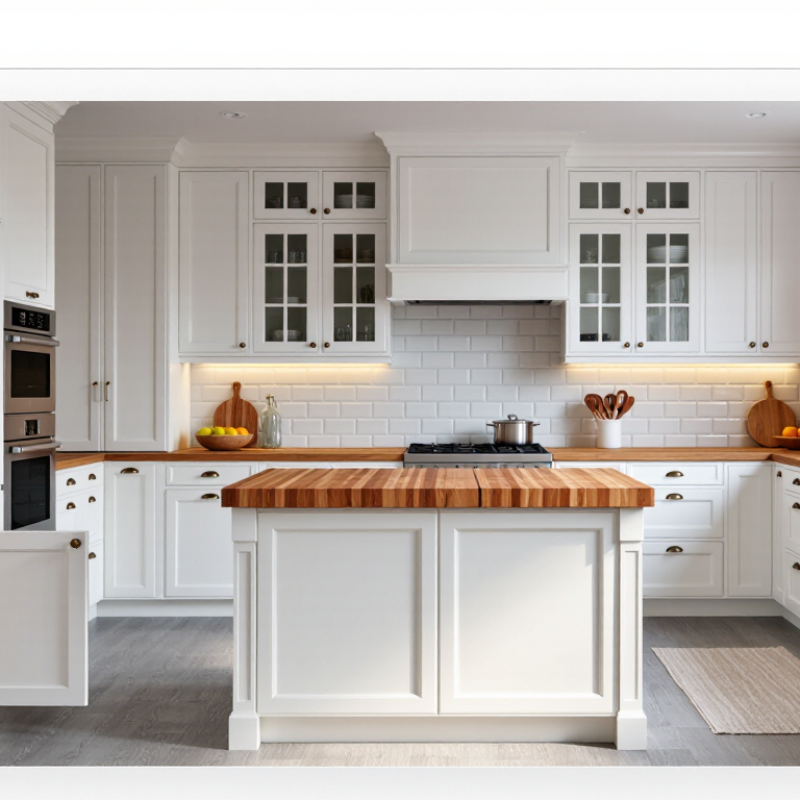
Assess Your Kitchen Needs and Design Preferences
Assess how your kitchen works before choosing white cabinets. Count daily users, cooking habits, storage needs, and cleaning tolerance. A busy family kitchen may need durable, easy-clean doors rather than delicate textured finishes. White can brighten a narrow room, but it also reveals grease, fingerprints, and uneven lighting.
Houzz’s 2024 U.S. Kitchen Trends Study found white remained the leading cabinet color, selected by 39% of renovating homeowners. That popularity is useful evidence, not a guarantee. Compare warm white with cool white beside your flooring, counters, and daylight. Check cabinet samples in the morning and evening. Measure appliance clearances, aisle widths, and door swings carefully. I would not choose white only because photos look peaceful. That shortcut can age badly.
Tips: Use a washable satin or matte finish for busy kitchens. Add under-cabinet lighting to prevent shadows on white doors. Choose hardware that feels comfortable after repeated use. If fingerprints already annoy you, reconsider bright white. The National Kitchen and Bath Association’s 2024 Design Trends Report also identifies practical storage and layered lighting as major kitchen priorities, so appearance should not outrank function. White cabinets are attractive, but the right white depends on your routines, room exposure, and willingness to maintain them.
How to Choose White Kitchen Cabinets in 2026? - Assess Your Kitchen Needs and Design Preferences
| Assessment Dimension | What to Measure or Consider | Useful Reference Data | Recommended White Cabinet Direction | Priority |
|---|---|---|---|---|
| Kitchen Size and Layout | Record wall lengths, ceiling height, door swings, windows, appliances, and circulation paths. | A practical walkway is generally about 36 inches wide; work aisles are commonly planned at approximately 42 inches for one cook and 48 inches for multiple cooks. | Use simple slab or narrow-shaker fronts in compact kitchens to reduce visual weight. Consider full-height white cabinets when vertical storage is needed. | High |
| Storage Requirements | List cookware, dishes, food supplies, small appliances, recycling containers, and specialty items. | Base cabinets are commonly about 24 inches deep, while standard wall cabinets are often around 12 inches deep. Actual cabinet capacity depends on drawer configuration and internal fittings. | Choose white drawer-heavy layouts for frequently used items and tall pantry units for bulk storage. Add interior organizers before increasing cabinet quantity. | High |
| Natural Light Exposure | Identify the direction and intensity of daylight, as well as shadows from nearby buildings or trees. | Cool daylight can make blue-white finishes appear crisper, while warm light can make creamy whites look more yellow. | Test large samples in morning, afternoon, and evening light. Use a warmer white in north-facing or dim rooms and a cleaner white in bright spaces. | High |
| Color Undertone | Compare cabinet samples with the flooring, backsplash, countertop, wall paint, and metal finishes. | White finishes may have warm, neutral, or cool undertones; neighboring materials can change how the white is perceived. | Select warm white for wood floors and warm stone; select neutral or cool white for gray surfaces and contemporary palettes. Avoid mixing several competing whites. | High |
| Door Style | Decide whether the room should feel traditional, transitional, contemporary, or minimalist. | Flat-panel doors have fewer grooves to collect visible dust; shaker doors provide a simple framed appearance; raised-panel doors create more ornamentation. | Use flat-panel or narrow-shaker doors for a streamlined 2026 look. Choose wider shaker rails or raised panels when architectural detail is desired. | Medium |
| Surface Finish | Consider fingerprints, cooking residue, cleaning frequency, and the amount of reflected light. | Matte surfaces generally reflect less light and can soften glare; higher-sheen surfaces are easier to wipe but may show reflections and smudges more clearly. | Choose a durable low-sheen finish for busy family kitchens and a higher-sheen finish when maximum light reflection and easy wipe-down are priorities. | High |
| Cleaning and Maintenance | Assess exposure to grease, steam, food splashes, pets, children, and high-touch use. | White cabinetry does not hide dark stains, but many painted or laminated surfaces can be cleaned with a soft cloth and mild, manufacturer-approved solution. | Prefer smooth, sealed surfaces and easy-to-clean hardware. Avoid abrasive cleaners, excessive water, and harsh chemicals that may damage the finish. | High |
| Material and Construction | Compare the door material, cabinet box, edge treatment, hinges, drawer slides, and finish process. | Solid wood, wood veneer, engineered panels, and laminate have different grain, moisture, repair, and cost characteristics. | Prioritize moisture-resistant construction around sinks and dishwashers, adjustable hinges, and full-extension drawers for practical long-term use. | High |
| Countertop and Backsplash Pairing | Check contrast, pattern scale, veining, grout color, and transitions between vertical and horizontal surfaces. | A high-contrast countertop becomes a focal point; a low-contrast combination creates a larger, quieter visual field. | Pair plain white fronts with patterned stone or tile, or use tonal white materials for a calm minimalist scheme. Bring samples together before ordering. | Medium |
| Hardware and Contrast | Choose knob or pull placement, finish, size, and consistency across doors and drawers. | Long pulls can emphasize horizontal lines, while knobs and short pulls usually create a lighter visual effect. | Use dark or brushed metal for definition, warm metal for a softer contrast, or matching white hardware for a nearly seamless appearance. | Medium |
| Lighting Plan | Review ambient, task, and accent lighting, including under-cabinet illumination and color temperature. | Many residential kitchens use warm-to-neutral white lighting, commonly in the approximate 2700–4000 K range, depending on the desired atmosphere. | Install under-cabinet task lighting to reduce shadows on worktops. Test white samples under the actual planned lighting before final selection. | High |
| Budget and Replacement Scope | Separate cabinet costs from installation, demolition, hardware, fillers, panels, countertops, lighting, plumbing, and electrical work. | A cabinet project budget can vary substantially with layout changes, custom sizing, material selection, and installation complexity; obtain itemized local estimates. | Keep the existing layout when possible to control costs. Allocate funds first to construction quality, storage function, and installation accuracy. | High |
| Future Flexibility | Consider resale appeal, evolving household needs, accessibility, and the possibility of changing hardware or décor. | White is a neutral base that can work with many countertop, wall, flooring, and hardware updates, but visible wear should still be considered. | Choose a timeless white, replaceable hardware, adjustable storage, and durable finishes. Avoid overly customized details that limit future changes. | Medium |
Note: Reference dimensions are common planning guidelines rather than universal requirements. Confirm final measurements, installation clearances, materials, and care instructions with a qualified kitchen professional.
Related Posts
-
What Are the Key Features of High-Quality Home Kitchen Cabinets?
-

Exploring Custom Kitchen Cabinets Trends at the 138th Canton Fair in 2025: Key Industry Insights
-
Transform Your Cooking Space: Innovative Home Kitchen Cabinets for Modern Living
-
2025 How to Choose the Perfect Kitchen Cabinets for Your Home
-
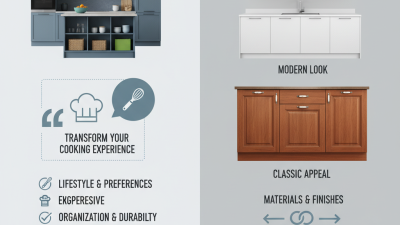
How to Choose the Best Kitchen Cabinets for Your Home?
-
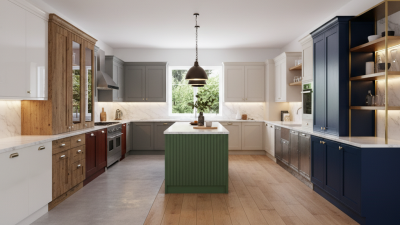
Top 10 Local Kitchen Cabinets Styles You Should Consider?


