
What Are Hotel Electronic Locks and Which Type Is Best?
Hotel Electronic Locks have changed how guests enter rooms and how hotels protect them. Instead of carrying a traditional metal key, a guest may use a keycard, PIN, smartphone, or fingerprint. The right system depends on the property’s size, guest profile, budget, and security procedures.
In practice, RFID keycard locks remain common because they are familiar and relatively simple to manage. Mobile locks can reduce plastic use and connect with hotel apps, but guests may face dead phone batteries or poor Bluetooth performance. Keypad locks offer convenient access without cards, although shared codes require careful control. Biometric systems can be fast, yet they often demand higher costs, stronger privacy safeguards, and reliable enrollment processes.
Security is more than the lock itself. Hotel managers should examine encryption, access logs, battery warnings, emergency entry, fire safety, and software support. A lock that looks advanced may still create problems when its batteries fail at midnight. Staff training matters too. Guests need clear instructions, and front-desk teams need a tested backup plan.
There is no universal winner. Not really.
The best choice balances convenience, reliability, maintenance, and guest trust. Independent testing, manufacturer documentation, and feedback from similar hotels can guide a sound decision. A careful evaluation should include installation quality and long-term service, not only the purchase price. Even experienced teams can overlook small details, such as weak network coverage near elevators or confusing mobile-app permissions. This guide examines the main types of Hotel Electronic Locks and explains where each option performs well, where it falls short, and which properties may benefit most.
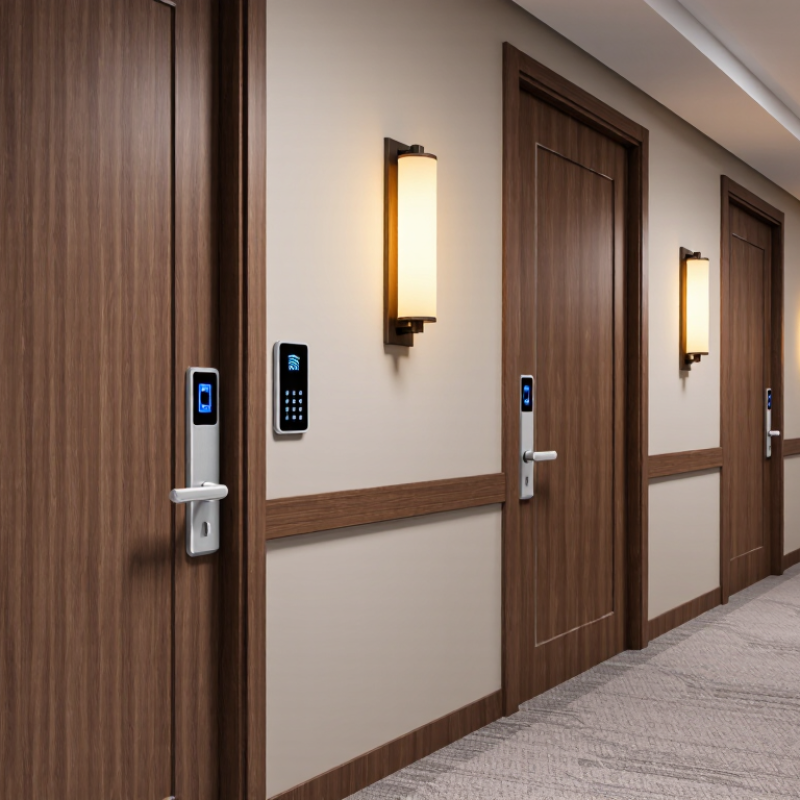
What Are Hotel Electronic Locks?
Hotel electronic locks are access-control devices that replace traditional metal keys with digital credentials. They usually operate through RFID cards, mobile signals, PIN codes, or biometric identification. When a guest presents valid credentials, the lock checks the permission and releases the latch. Many systems also record entry times, helping staff investigate lost cards or unusual access.
Different lock types suit different hotel conditions. RFID locks are familiar, affordable, and simple for housekeeping teams. Mobile locks reduce physical cards but depend on guest phones and reliable connectivity. Keypad locks can help small properties, although shared codes may weaken accountability. In my view, RFID is often the practical choice for busy hotels. Still, there is no perfect option. Battery life, door structure, fire-safety requirements, and staff training can matter more than advanced features.
Tips: Inspect battery warnings, audit logs, emergency access, and software permissions before installation. Test the lock with wet hands, weak phone signals, and a nearly empty battery. These small checks reveal problems that product demonstrations may hide. Keep a controlled backup process for outages, and change access permissions when staff roles change. A modern lock is only as reliable as its maintenance routine.
How Do Hotel Electronic Lock Systems Work?
Hotel electronic locks replace traditional keys with controlled credentials, such as RFID cards, PIN codes, or mobile passes. Each credential carries permission data, including room number, access time, and expiration. The lock reads this information through a reader, checks its internal rules, and releases the motorized latch when approved.
A typical system includes door locks, an encoder, management software, and an access database. Staff issue credentials from the front desk or a secure mobile dashboard. The lock then records entries locally, including failed attempts and battery warnings. During network outages, many locks continue operating through stored permissions. That resilience matters. Connectivity is never perfect.
RFID systems remain practical for high-volume properties because cards are simple to issue and replace. Mobile systems can reduce plastic use, but they depend on compatible phones, charged batteries, and clear guest instructions. Keypad locks remove card handling, yet visible buttons may reveal frequently used codes. According to Grand View Research, the global smart-lock market is projected to expand at roughly 19.6% annually through 2030, reflecting wider adoption of connected access technology. A 2024 hospitality technology report from Hospitality Technology also identifies cybersecurity and system integration as major hotel investment concerns. The best lock is therefore not always the newest one. It should match the property’s staffing, network reliability, emergency procedures, and guest profile. Audits should test dead batteries, expired credentials, offline access, and manual override controls. Small failures expose big weaknesses.
What Types of Electronic Locks Do Hotels Use?
Hotel electronic locks replace traditional keys with controlled digital access. The most common type is the RFID card lock. Guests tap or insert a programmed card near the reader. These locks are familiar, affordable, and simple for housekeeping teams to manage.
NFC and mobile key locks use a smartphone instead of a plastic card. They can reduce front-desk queues and provide access records for each room. However, guests may have low phone batteries, weak Bluetooth signals, or trouble using the app. Keypad locks work well for staff areas, storage rooms, and small properties. Biometric locks offer strong identity checks, but hotels use them less often. Privacy concerns, maintenance needs, and recognition errors can reduce their practicality.
The best lock depends on the hotel’s size, guest profile, and emergency procedures. RFID suits busy hotels with frequent room changes. Mobile access fits properties serving tech-confident travelers. Every system should include battery warnings, manual override procedures, and secure access logs. No electronic lock is perfect. A failed reader can delay a tired guest at midnight.
Tips: Test locks during peak hours. Check batteries before busy weekends. Keep a controlled emergency key available. Train staff to explain access clearly. Review entry logs regularly, but avoid collecting unnecessary guest data.
What Are Hotel Electronic Locks and Which Type Is Best?
Hotels commonly use magnetic-stripe, RFID/NFC, keypad, mobile/Bluetooth, and biometric locking systems. This comparison shows the access capabilities typically associated with each lock type. A value of 1 indicates that the capability is generally supported; 0 indicates that it is not inherent to the lock type. Actual features vary by installation.
Best overall choice: RFID/NFC and mobile/Bluetooth locks are widely preferred for modern hotels because they support contactless access, electronic audit trails, and convenient guest credentials. Keypad and biometric systems can be useful in selected applications, while magnetic-stripe locks are an older option with lower contactless convenience.
How Do Hotel Locks Compare in Security and Convenience?
Hotel electronic locks replace traditional keys with controlled digital credentials. Common options include RFID cards, PIN keypads, mobile credentials, and biometric readers. Each system affects security and convenience differently. RFID cards are familiar and quick at reception. Staff can deactivate them after checkout. However, lost cards still create extra work. Keypads reduce plastic waste and eliminate card handling. Guests may forget codes, especially after a tiring journey. Mobile entry feels modern, but it depends on a charged phone, compatible software, and stable connectivity.
A lock is only one security layer. Reliable systems should record access events, limit staff permissions, and alert teams to unusual activity. Strong encryption also helps protect digital credentials. Biometric readers can reduce credential sharing, but privacy concerns and recognition failures require careful management. Mechanical backup access remains important during power interruptions or system faults. Convenience should never remove a safe alternative. Small failures matter.
For many hotels, RFID locks offer a practical balance between security, training, and guest familiarity. Mobile access may suit properties with strong technical support and digitally confident guests. Keypads can work well for independent stays, but code management needs discipline. I would not call one type universally best. Guest age, building layout, staffing, and emergency procedures all influence the right choice. A system that looks advanced may still frustrate visitors at a dark doorway. Testing real check-in scenarios often reveals more than a sales demonstration.
What Are Hotel Electronic Locks and Which Type Is Best? — How Do Hotel Locks Compare in Security and Convenience?
Hotel electronic locks use coded credentials, wireless communication, or digital access systems instead of relying only on a traditional metal key. The comparison below presents typical characteristics; actual performance depends on installation quality, credential management, door hardware, software configuration, and operating procedures.
| Lock Type | Typical Guest Credential | How Access Is Granted | Security Rating (1–5) | Guest Convenience (1–5) | Audit Trail | Power and Connectivity | Main Advantages | Main Limitations | Best-Suited Hotel Use |
|---|---|---|---|---|---|---|---|---|---|
| Mechanical Key Lock | Metal key | A correctly cut key operates the cylinder directly. | ★★★☆☆ | ★★★☆☆ | None unless keys are manually logged. | No battery or network connection required. | Simple operation, low technology dependence, and predictable emergency access. | Lost or copied keys can remain usable; access rights are difficult to change quickly; no automatic entry record. | Small properties, back-of-house doors, and applications where electronic access is unnecessary. |
| Magnetic-Stripe Card Lock | Encoded magnetic-stripe card | The lock reads coded information stored on the card’s magnetic stripe. | ★★★☆☆ | ★★★☆☆ | Usually available in the lock or management system, depending on the installation. | Battery-powered; normally operates offline at the door. | Cards are inexpensive, easy to issue, and access permissions can be changed without replacing the lock. | Cards can be demagnetized or physically worn; the stripe is exposed to copying and reader wear; the technology is older than contactless systems. | Existing properties with compatible legacy infrastructure and basic electronic access requirements. |
| RFID or NFC Contactless Card Lock | Contactless smart card or key fob | The reader communicates wirelessly with a chip embedded in the credential. | ★★★★☆ | ★★★★☆ | Commonly supported through the lock system or front-desk software. | Battery-powered; many hotel implementations work offline and synchronize when serviced or connected. | Cards do not require physical contact, are more durable than magnetic-stripe cards, and can support encrypted credentials and time limits. | Requires compatible readers, credential-management equipment, battery maintenance, and correct encryption and key-management practices. | Most full-service hotels seeking a balanced combination of security, reliability, and ease of use. |
| PIN or Keypad Lock | Personal identification number | The guest enters a valid code on a keypad. | ★★★☆☆ | ★★★★☆ | Possible when the lock records code use; capability varies by model. | Battery-powered; may operate offline or connect to a management platform. | No physical card is required, and codes can be created for specific rooms, users, or time periods. | Visible keypads may reveal worn buttons; shared or reused codes weaken security; guests may forget codes. | Suites, serviced apartments, small hotels, and selected staff or amenity areas. |
| Bluetooth or Mobile-Key Lock | Smartphone with an authorized mobile key | A mobile application communicates with the lock using short-range wireless technology. | ★★★★☆ | ★★★★★ | Usually supported through the mobile-key and property-management platform. | Battery-powered at the door; mobile-key delivery requires a compatible phone and normally depends on backend systems for issuance. | Can support contactless arrival, remote issuance, time-limited credentials, and reduced plastic-card use. | Requires phone compatibility, sufficient battery power, correct app setup, cybersecurity controls, and a fallback process for lost or uncharged phones. | Modern hotels prioritizing contactless service, mobile check-in, and integration with digital guest services. |
| Biometric Lock | Fingerprint, facial, or other biometric identifier | The reader compares a biometric characteristic with an enrolled template. | ★★★★☆ | ★★★☆☆ | Possible when the system records successful and failed authentication events. | Requires electrical power; network requirements depend on whether matching is performed locally or centrally. | Guests do not need to carry a card or remember a PIN, and credentials are difficult to transfer intentionally. | Enrollment, privacy, accessibility, hygiene, false rejection, data protection, and fallback-access issues require careful management. | Restricted staff areas, premium facilities, and properties with a clear legal and operational basis for biometric use. |
Practical conclusion: RFID or NFC contactless locks are often the strongest general-purpose choice for hotels because they combine durable credentials, configurable access rights, audit capabilities, and straightforward guest use. Mobile-key systems can provide greater convenience, while PIN locks can be useful where card issuance is impractical. Regardless of lock type, strong encryption, unique credentials, timely battery replacement, secure administrator access, and a tested emergency override procedure are essential.
Which Hotel Electronic Lock Is Best for Different Needs?
Hotel electronic locks replace traditional metal keys with controlled digital access. Common options include RFID cards, PIN keypads, mobile credentials, and biometric readers. Each type suits a different operating environment. The best choice depends on guest expectations, staff routines, building layout, and maintenance capacity.
RFID card locks remain practical for busy hotels. Cards are easy to issue, cancel, and replace at reception. They also work when guests have weak phone batteries. However, cards can be misplaced, and readers need regular cleaning. Mobile locks suit modern properties with strong digital service systems. Guests can receive access on their phones and avoid waiting at the desk. This option becomes less convenient when guests lack compatible devices or reliable internet access.
Keypad locks fit smaller hotels, serviced apartments, and rooms needing simple entry. They remove card management, but shared codes require careful updating. Biometric locks can offer fast access, yet privacy concerns, installation costs, and sensor performance need serious review. They may struggle with wet fingers, poor lighting, or unusual positioning. No option is perfect.
A reliable selection should include audit records, low-battery alerts, emergency power access, and a mechanical backup. During testing, staff should open doors repeatedly, check access logs, and simulate a dead battery. Small details matter. A lock that looks advanced may frustrate guests if its instructions are unclear. My view is slightly cautious: convenience should never outweigh dependable access, simple maintenance, and respectful handling of guest data.
Article Source:


Fall into Function: How LaFata Cabinets Prepares Your Kitchen for the Cozy Season


Back-to-School Kitchen Refresh: How LaFata Cabinets Can Help You Stay Organized This Fall


