What is PDLC Film and How Can It Benefit Your Business?
PDLC Film, or Polymer Dispersed Liquid Crystal Film, represents a cutting-edge technology in the glazing industry. This film offers dynamic privacy solutions for commercial spaces, transforming from translucent to transparent with the flick of a switch. According to a report by MarketsandMarkets, the smart glass market, which includes PDLC Film, is projected to reach $10.33 billion by 2025, reflecting its rapid adoption across various sectors.
Businesses can leverage PDLC Film to enhance aesthetics while improving energy efficiency. The film blocks infrared light, which can help reduce heating costs. Moreover, companies can benefit from increased flexibility in designing spaces. However, it's essential to recognize potential challenges, such as initial installation costs and compatibility with existing systems. Evaluating these factors can lead to more informed decisions.
As the market evolves, PDLC Film will likely play a crucial role in modern architecture. Understanding how to integrate this technology effectively can provide significant advantages. Companies must stay updated with industry trends to harness the full potential of PDLC Film in their operations.
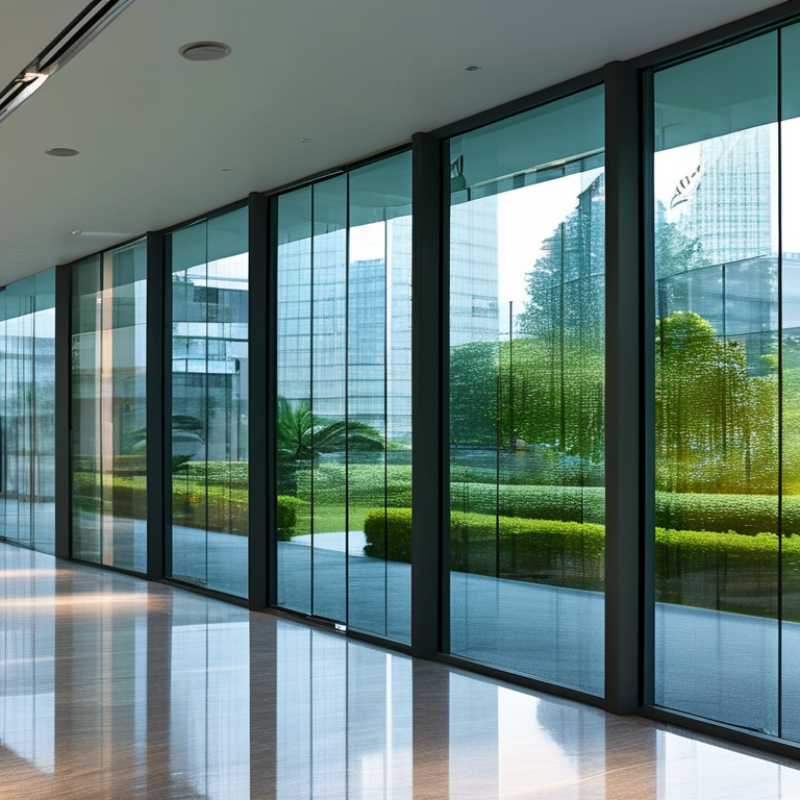
Understanding PDLC Film: Definition and Functionality
PDLC film, or polymer-dispersed liquid crystal film, is revolutionizing how businesses approach privacy and design. This innovative material can switch from transparent to opaque at the push of a button, offering both aesthetic appeal and functional versatility. The global market for PDLC films is expected to grow at a CAGR of over 25% in the coming years, indicating a robust demand for its applications in sectors like architecture and automotive.
The technology behind PDLC film relies on micrometer-sized liquid crystal droplets suspended in a polymer matrix. When an electrical current is applied, these droplets align, allowing light to pass through. This effect can enhance privacy in office spaces and homes, transforming boardrooms into private meeting areas instantly. A study by Research and Markets suggests that incorporating PDLC film into commercial spaces can increase the perceived value of the area by up to 15%, appealing to businesses looking to elevate their environments.
Despite these advantages, challenges exist. The upfront costs for installation and technology integration can be high. Moreover, in some cases, the effectiveness of PDLC film may be impacted by ambient lighting conditions. Close attention to these factors is necessary for businesses considering this technology. Understanding both the benefits and limitations is crucial for making informed decisions about its implementation.
Benefits of PDLC Film for Business
Key Advantages of PDLC Film for Commercial Applications
PDLC film, or polymer-dispersed liquid crystal film, offers numerous benefits for businesses. One major advantage is its ability to enhance privacy. When powered off, PDLC film appears opaque. This can effectively block outside views, making it ideal for offices and meeting rooms. Clients can have confidential discussions with confidence.
Another key advantage lies in energy efficiency. PDLC film can regulate temperature and reduce glare. By controlling lighting, businesses can cut down on energy consumption. This not only leads to cost savings but also promotes a sustainable environment. The adaptability of PDLC film allows for various applications in both commercial and residential settings.
A challenge businesses face is the initial investment. While the long-term advantages are clear, the upfront costs may deter some. Companies must weigh the benefits against this expense. Considering various suppliers and installation methods could also improve the overall outcome. This reflection often leads to smarter decisions that can benefit the business in the long run.
Applications of PDLC Film in Various Industries
PDLC (Polymer Dispersed Liquid Crystal) film is transforming how businesses operate across various industries. This innovative technology allows glass surfaces to switch from transparent to opaque with the flick of a switch. Its applications are diverse, spanning from hospitality to healthcare. In hotels, PDLC film can provide privacy for guests without sacrificing natural light. Conference rooms utilize it to create flexible spaces, instantly changing a room's ambiance.
The retail industry also benefits significantly from PDLC film. Storefronts can display engaging visuals while maintaining a sleek look. The technology invites attention but also creates a barrier when needed. Furthermore, in healthcare settings, PDLC enhances patient privacy. It can be used in waiting rooms, separating areas without the need for physical barriers. Yet, some concerns arise about reliability and maintenance. Regular upkeep is necessary to ensure optimal functionality, which can be a challenge for some businesses.
Installation and Maintenance Considerations for PDLC Film
PDLC (Polymer Dispersed Liquid Crystal) film is gaining popularity in various business sectors. Its benefits are evident, but proper installation and maintenance are key for optimal performance.
When installing PDLC film, surface preparation is critical. Ensure the glass surface is clean and dust-free. An uneven surface can lead to bubbles or adhesion issues. According to industry studies, improper application can reduce film effectiveness by up to 30%. Thus, hiring experienced professionals is recommended.
Maintenance of PDLC film is straightforward but requires routine checks. Regular inspections help identify any wear or damage early on. Cleaning is essential; use a soft, non-abrasive cloth and mild detergent. Harsh chemicals can degrade the film, reducing its functionality. Data suggests that films maintained regularly last up to 50% longer.
**Tip:** Conduct quarterly visual inspections to ensure the film remains in top shape.
**Tip:** Always consult your installation team for recommended cleaning products.
For businesses, PDLC film presents an opportunity to enhance aesthetics and privacy. However, the stakes in installation and maintenance must not be overlooked.
Comparing PDLC Film with Other Smart Glass Technologies
PDLC (Polymer Dispersed Liquid Crystal) film presents unique advantages when compared to other smart glass technologies. Unlike switchable glass or traditional tinted windows, PDLC film offers dynamic functionality without extensive modifications. Reports from various industry analysts indicate that the global market for smart glass, including PDLC technology, is projected to reach $76.77 billion by 2026, indicating growing adoption among businesses.
One key benefit of PDLC film is its versatility. When electricity is applied, the film transforms from opaque to transparent. This allows for privacy on demand. It can be used in offices for conference rooms, enabling seamless transitions when privacy is needed. This feature stands out compared to electrochromic glass, which changes tint but does not offer complete opacity. It’s not perfect, though. The film can be susceptible to scratches, which can affect performance and aesthetics.
In energy efficiency assessments, PDLC films can help in reducing heating and cooling costs. With smart films adjusting transparency based on light conditions, businesses can achieve significant savings. A report from a leading energy analysis firm suggests that using smart glass can lead to a 25% reduction in energy costs. However, the initial installation can be costly, and ROI may take time to materialize. Businesses must weigh the upfront investment against long-term savings.
What is PDLC Film and How Can It Benefit Your Business? - Comparing PDLC Film with Other Smart Glass Technologies
| Feature | PDLC Film | Switchable Glass | Smart Tint Glass |
| Transparency Control | Yes, adjustable from opaque to clear | Yes, typically frosted to clear | Yes, alters color and transparency |
| Installation Flexibility | Easy to install on existing surfaces | Requires new glass units | Typically requires window replacement |
| Energy Efficiency | Moderate, can reduce glare | High, reflects heat | High, reduces solar gain |
| Maintenance | Low, easy to clean | Low, similar to window glass | Low, regular cleaning recommended |
| Cost | Cost-effective for retrofits | Higher initial investment | Moderate to high, depends on installation |