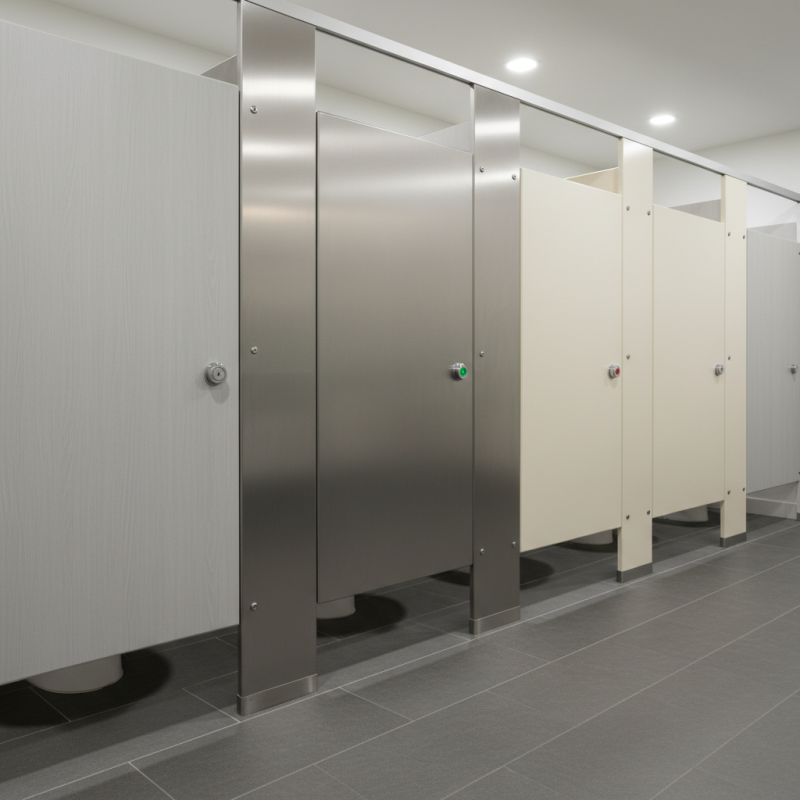
What are Restroom Stall Walls Made Of and Why Do They Matter?
Restroom Stall Walls play a crucial role in public and private restrooms. These walls are not just about privacy; they also impact hygiene and maintenance. Different materials are used to construct them, such as laminate, metal, and plastic. Each type has its pros and cons, affecting durability and cleanliness.
Though people often overlook restroom stall walls, they can significantly impact user experience. A sturdy wall can provide comfort, while a flimsy one may lead to discomfort. Additionally, the choice of material can influence odor retention and ease of cleaning.
In an ideal world, restroom stall walls should be designed with the user in mind. Are we paying enough attention to these seemingly minor details? As we explore the materials and their implications, it's essential to reflect on how they affect our daily lives.
Materials Commonly Used for Restroom Stall Walls
Restroom stall walls come in various materials. Each option has its pros and cons. Common materials include fiberglass, laminate, and stainless steel. Fiberglass is lightweight and easy to maintain. It resists moisture, making it suitable for restrooms. However, it's not as durable as other options. Over time, it may show wear and tear.
Laminate is another popular choice. It's often used for its aesthetic appeal. Available in various colors, it can fit different design themes. However, laminate can be prone to chipping. A single dent can lead to bigger issues, as water may seep in. This reveals challenges in long-term maintenance.
Stainless steel offers a high level of durability. It's resistant to vandalism and easy to clean. However, some might argue that it feels cold and uninviting. Additionally, the initial cost can be higher. The choice of material should align with the restroom's expected use. It’s a balance of aesthetics, durability, and cost. Each option invites reflection on what matters most in restroom design.
Importance of Durability in Restroom Stall Wall Materials
When it comes to restroom stall walls, durability is crucial. These walls withstand heavy use and constant wear. Materials like laminate, solid plastic, and metal are common choices. Each material has its pros and cons. However, not all options are equally sturdy or resistant to damage.
Some stalls may suffer from scratches or dents. This reflects not only on the aesthetic but also on hygiene issues. Dirty or damaged walls can harbor bacteria. A strong, durable wall minimizes these risks. Choosing the right material can prevent costly repairs and replacements down the line.
It’s essential to consider maintenance as well. A less durable material may require more frequent cleaning or replacement. This leads to increased costs and potential downtime. Ultimately, investing in high-quality restroom stall walls pays off. Long-term durability benefits users and facility managers.
Maintenance and Hygiene Considerations for Stall Walls
Restroom stall walls are an often-overlooked aspect of hygiene in public facilities. Materials like acrylonitrile butadiene styrene (ABS) and high-pressure laminate (HPL) are commonly used. These materials resist moisture and reduce bacteria growth. A study by the American Journal of Infection Control found that stall surfaces can harbor significant levels of bacteria, making maintenance crucial.
Cleaning practices directly affect hygiene. Regular cleaning with disinfectants is essential. According to the CDC, facilities should sanitize stall walls at least once daily. However, many facilities fall short of this recommendation. Inadequate cleaning can lead to increased illness. Users want reassurance that their surroundings are sanitary, yet some stalls show signs of neglect.
Awareness of maintenance is vital. Some surfaces can only withstand certain cleaning agents. Incorrect products may damage walls, leading to costly repairs. Proper training for cleaning staff can bridge this gap. Communication about hygiene standards can foster user trust. Ultimately, restroom stalls can impact public health, and their upkeep needs serious attention.
Impact of Aesthetics on Restroom Stall Design Choices
Restroom stall design goes beyond functionality; aesthetics play a crucial role. Visual appeal in public restrooms can enhance user experience. The choice of materials greatly influences the overall look and feel. For instance, vibrant colors may evoke happiness, while neutral tones provide calmness.
However, these aesthetic choices come with challenges. Some materials may look good but are harder to maintain. For example, a sleek finish might attract fingerprints and dirt. Constructing stalls with mixed materials may solve this, but can result in a clashing design.
In addition, the ambiance created by restroom stalls affects mental perception. A well-designed space promotes cleanliness and comfort, impacting user behavior. An inviting restroom encourages use, while a dull one may deter visitors. Balancing beauty and practicality is key, but it requires thoughtful reflection and design innovation.
Environmental Considerations in Choosing Stall Wall Materials
Choosing restroom stall wall materials involves various environmental considerations. The type of material impacts both health and sustainability. For example, plastics are common, but they can take centuries to decompose. Other materials, like bamboo, offer a more eco-friendly option. Bamboo grows quickly and absorbs carbon dioxide, making it better for the planet.
Recyclability also plays a significant role. Some materials can be recycled multiple times, reducing waste. Others may not be recyclable at all, leading to landfill issues. The production processes for these materials matter too. Sustainable practices can lower carbon footprints significantly. However, sourcing sustainable materials can be challenging. Not all suppliers follow eco-friendly practices, raising concerns.
Additionally, the durability of materials affects their environmental impact. Short-lived stall walls require more resources over time. A lack of durability leads to repeated replacements, which is wasteful. It's vital to balance cost, appearance, and sustainability. Often, the decision is not straightforward. Each option has trade-offs that require careful thought. The choices made directly affect both users and the environment.