
10 Tips for Buying Cabinet Doors in Bulk
Buying Cabinet Doors in bulk can reduce unit costs and simplify a renovation or production schedule. However, a large order magnifies every small mistake. A two-millimeter measurement error can affect an entire kitchen. A slightly different white finish can make adjacent doors look mismatched.
This guide shares practical lessons from sourcing cabinet components for residential projects, rental properties, and workshop production. It focuses on details that deserve careful checking, including door dimensions, wood species, panel construction, finish samples, hardware compatibility, packaging, lead times, and replacement policies. Reliable suppliers should provide clear specifications, consistent communication, and realistic delivery estimates. Their product information should also explain moisture limits, cleaning requirements, and acceptable finish variation.
Request samples before committing.
Photograph each sample in natural light. Factory lighting can hide color differences. Confirm hinge bore locations and edge profiles with your installer or cabinetmaker. Bulk pricing may look attractive, but shipping damage, missing parts, or unusable pieces can change the final cost quickly.
A careful buyer also questions personal assumptions. I once treated a low quoted price as the strongest advantage, then discovered that inconsistent drilling created extra labor. That experience was useful, but avoidable. Reviewing measurements twice, documenting approvals, and allowing time for inspection can protect the budget. The following ten tips will help buyers compare suppliers more confidently and build a dependable Cabinet Doors purchasing plan.
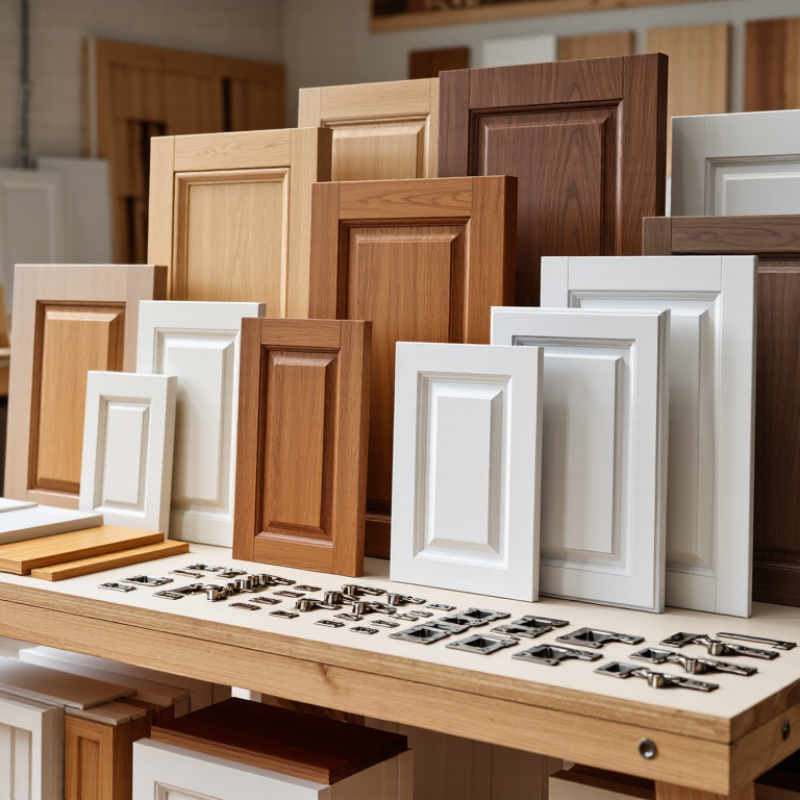
Define Project Requirements and Bulk Purchasing Goals
Before requesting a bulk quote, define what the cabinet doors must achieve. Record the exact width, height, thickness, overlay, hinge bore position, and edge profile for every door type. Measure twice. Small errors become expensive when multiplied across a full shipment.
Your project goals should include quantity, target budget, installation date, and acceptable material variations. Decide whether appearance, moisture resistance, weight, or repairability matters most. A written schedule helps suppliers calculate production capacity and packaging needs. Include a small allowance for damaged pieces, color differences, or incorrect measurements. This is not wasteful; it protects the installation timeline.
I once underestimated the importance of matching existing doors. The dimensions were correct, but the finish looked slightly different under kitchen lighting. That mistake changed how I plan bulk purchases. Request physical samples, confirm the finish in the actual room, and approve a final drawing before production. Ask how quality checks are performed, how doors are labeled, and what information accompanies each carton. Keep signed specifications, measurements, sample references, and delivery records in one file. A clear paper trail improves accountability, although it cannot replace careful inspection when the order arrives.
10 Tips for Buying Cabinet Doors in Bulk - Define Project Requirements and Bulk Purchasing Goals
| Tip | Project Requirement to Define | Recommended Data to Record | Bulk Purchasing Goal | Planning Benchmark | Quality or Cost Control |
|---|---|---|---|---|---|
| 1 | Confirm the total quantity and door mix | Number of doors, drawer fronts, left-hand doors, right-hand doors, and paired doors | Place one coordinated order instead of multiple small orders | Add approximately 5% extra units for cutting errors, damage, or future replacements | Separate standard-size units from custom-size units before requesting pricing |
| 2 | Measure every opening accurately | Finished width, finished height, thickness, hinge position, and measurement tolerance | Reduce remakes caused by incorrect dimensions | Record dimensions in one unit system, such as millimeters, and verify unusual sizes twice | Use a numbered measurement schedule that matches each cabinet location |
| 3 | Select the substrate and construction | Solid wood, medium-density fiberboard, plywood, or laminate substrate; core thickness; edge construction | Match material performance to the room environment and budget | Use moisture-resistant construction for kitchens, laundry rooms, and other humid areas | Request a material sample and confirm whether the quoted price includes edge finishing |
| 4 | Define the door style and profile | Slab, Shaker, raised panel, flat panel, rail-and-stile profile, and decorative details | Keep the design consistent across the complete project | Approve one physical or digital sample before releasing the full quantity | Specify profile dimensions and corner details instead of relying on style names alone |
| 5 | Choose the finish and color standard | Paint, stain, clear coat, foil, sheen level, color reference, and visible-side requirements | Avoid color variation between production batches | Specify the same finish system and color reference for all units in the order | Approve a finish sample under the lighting conditions used at the installation site |
| 6 | Set the hardware and machining requirements | Hinge cup diameter, hinge offset, boring pattern, handle holes, and drilling responsibility | Make every door compatible with the planned cabinet hardware | Confirm drilling specifications before production; undrilled doors provide more installation flexibility | Use a signed hardware schedule and identify doors that require special machining |
| 7 | Establish the project budget | Unit price, tooling or setup fees, packaging, freight, taxes, and replacement allowance | Compare the delivered cost rather than the product price alone | Keep a contingency of about 5%–10% for changes, damage, or installation issues | Request a line-item quotation with quantity breaks and all one-time charges shown separately |
| 8 | Plan the production and delivery schedule | Approval date, production time, transit time, inspection time, and installation date | Receive the complete order before installers begin the main installation phase | Allow additional time for inspection and replacement of damaged or incorrect units | Build a written delivery milestone schedule and avoid scheduling installation on the arrival date |
| 9 | Define inspection and acceptance criteria | Allowed size tolerance, finish defects, edge quality, color consistency, packaging condition, and labeling | Identify nonconforming units quickly and document claims clearly | Inspect cartons and a representative selection immediately after delivery | Photograph damage before unpacking fully and match each item against the approved schedule |
| 10 | Document the final order and future replacement needs | Approved drawings, finish sample, item codes, dimensions, quantities, and installation locations | Create a reliable record for warranty service and future additions | Retain final documentation, spare units, and finish references after installation | Use consistent labels on cartons and store the final schedule with project records |
Planning note: Quantities, tolerances, lead times, and contingency percentages should be confirmed against the specific design, material, delivery method, and installation conditions of each project.
Related Posts
-

Mastering Cabinet Door Styles with Detailed Technical Specs and Comprehensive Installation Guide
-

Exploring Unique Alternatives to Traditional Cabinet Door Styles for Your Home Makeover
-

Innovative Ideas for Maximizing Space with Unique Bathroom Storage Solutions
-

Crafting Excellence: How China's Best Kitchen and Cabinets Transform Global Homes
-

The Future of Custom Cabinets Innovations Driving Sustainable Design and Efficiency
-

2025 Top Digital Trends: Transform Your Kitchen and Cabinets for Modern Living


