Top 5 Tips for Choosing the Best Floor Drain for Your Needs?
When choosing a floor drain, it's essential to consider various factors that impact functionality and durability. According to recent industry reports, proper drainage solutions can reduce water damage by up to 70%. This statistic underscores the importance of selecting the right floor drain to meet specific needs, especially in high-traffic areas.
Floor drains are vital in managing water flow in homes and commercial spaces. They prevent flooding and promote hygiene by efficiently channeling water away. However, not all floor drains are created equal. Misunderstanding requirements can lead to costly mistakes. Certain styles work better in specific environments, like kitchens or basements.
Understanding the characteristics of floor drains can help in making informed choices. For instance, materials like stainless steel offer durability, while plastic options might be less expensive but could wear down faster. Reflecting on your priorities—cost, durability, or aesthetics—can shape your decision. Ultimately, knowing your environment and usage will guide you toward the best floor drain for your needs.
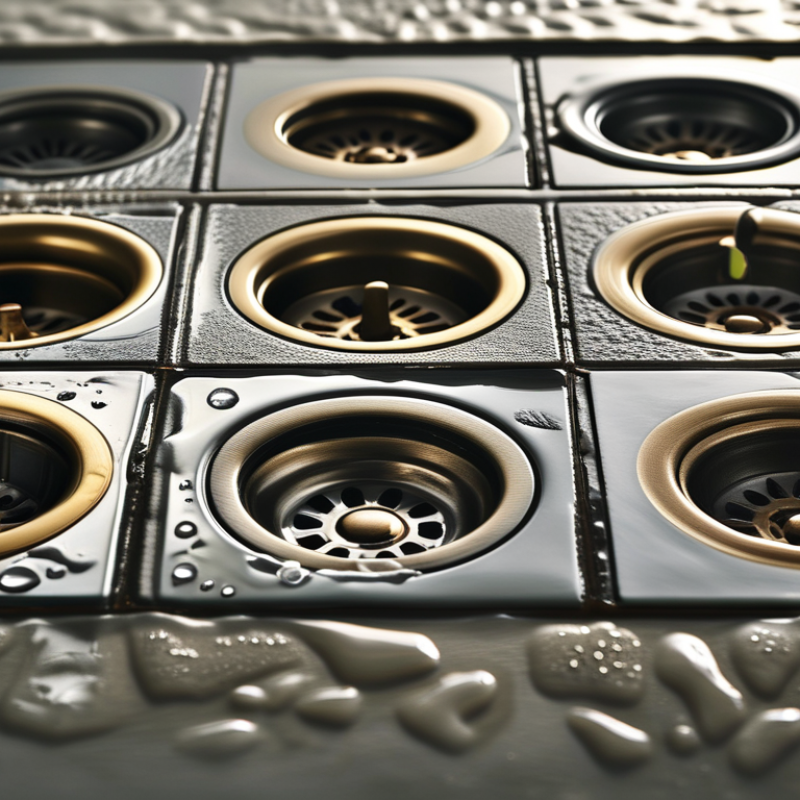
Understanding Different Types of Floor Drains and Their Applications
When selecting the best floor drain, understanding the various types is crucial. Common types include linear drains, point drains, and trench drains. Linear drains offer a sleek design, ideal for modern spaces, while point drains are typically used in residential settings. Trench drains are essential for commercial applications, managing large water volumes effectively.
Choosing the right drain also depends on its application. For example, kitchen areas often require grease traps, while bathroom drains should have high flow rates. According to industry reports, improper drainage can lead to costly water damage, emphasizing the need for proper selection. Connecting drains to a well-designed plumbing system is vital to avoid issues.
Tip: Always consider the size and location of your drain. Calculating anticipated water flow can prevent clogs and water pooling. Also, check local codes and regulations to ensure compliance. Remember, high-quality materials can increase the lifespan of your floor drain, reducing future costs. Choosing wisely today can lead to long-term benefits.
Assessing Drainage Needs Based on Location and Water Flow
When choosing the right floor drain, assessing your drainage needs is vital. Different locations require unique solutions. For instance, basements often deal with high humidity and potential flooding. Choosing a drain that can manage heavy water flow is crucial in these areas. It’s not just about any drain; it’s about the right fit for your space.
Consider the typical water flow in your area. Heavy rain can overwhelm standard drains. Installing a larger or more efficient drain can prevent water buildup. However, you should also think about maintenance and accessibility. Complex drain systems can be effective but may need regular upkeep. Simplicity sometimes wins over sophistication. Reflect on how much effort you're willing to invest in maintenance. It's essential to balance efficiency with practicality.
Evaluating Material Options for Durability and Maintenance
When selecting a floor drain, the material is crucial for durability and maintenance. Stainless steel, polymer, and cast iron are common choices. Stainless steel is resistant to corrosion and easy to clean, making it an excellent choice for wet areas. Polymer drains are lightweight and customizable, fitting various aesthetic needs. However, they may not last as long as metal options. Cast iron offers strength but can be prone to rust without proper caring.
Consider the long-term effects of your choice. Stainless steel may require regular polishing to maintain its shine. Polymer drains may fade over time, losing their original appearance. Cast iron needs protective coatings to prevent rust. Each material has strengths and weaknesses.
Tip: Assess where you’ll install the drain. In high-traffic areas, opt for stainless steel for its resilience. For decorative purposes, polymer might be best.
Additionally, think about maintenance. A more durable material might require less upkeep over time. Evaluate how often you clean your drains and consider if you want to invest more upfront for easier care later. The right choice balances function and aesthetic appeal.
Top 5 Tips for Choosing the Best Floor Drain for Your Needs
| Material | Durability | Maintenance | Best Use Cases |
| Stainless Steel | High resistance to corrosion and rust | Low maintenance, easy to clean | Commercial kitchens, bathrooms |
| PVC | Good durability, may crack under extreme conditions | Affordable and easy to maintain | Residential bathrooms, laundry rooms |
| Cast Iron | Extremely durable, very heavy | Rusting may require paint maintenance | Industries, warehouses |
| Brass | Good strength and resistance to corrosion | Requires regular polishing to maintain shine | Decorative environments, luxurious bathrooms |
| Aluminum | Lightweight, good corrosion resistance | Easy to maintain, but may dent | Residential, outdoor areas |
Considering Drain Cover Styles for Safety and Aesthetics
When selecting a floor drain, aesthetics and safety are crucial. Drain covers come in various styles. Each style serves a specific purpose, from preventing debris to enhancing the overall design. Research indicates that 74% of homeowners prioritize both functionality and appearance in their flooring choices.
Metal covers often offer durability and modern appeal. They are less likely to rust and blend well with contemporary designs. However, they can be cold and uninviting underfoot. Plastic options are lighter and available in diverse colors. This versatility can fit various design themes. However, they may be less robust, requiring careful selection for longevity.
Safety should also be a consideration. ADA-compliant drain covers are essential in public spaces, ensuring accessibility. In contrast, decorative covers might not always provide the same safety assurances. Aesthetic choices should not compromise safety standards. Balancing style and function remains a challenge. Approximately 30% of homeowners end up regretting their cover choices after installation. Evaluating both appearance and material is key to making a sound decision.
Researching Installation Requirements and Professional Assistance
When choosing a floor drain, installation requirements are crucial. Understanding your specific plumbing layout is the first step. Different types of drains require varying sizes and configurations. Knowing what you need can save time and money. Make sure to measure the drainage area accurately. Improper measurements can lead to issues later on.
Professional assistance can be a real game-changer. Though some may prefer DIY, specialized knowledge is beneficial. A skilled installer can ensure proper placement and adherence to local codes. This expertise helps avoid future problems, such as leaks or clogs. Consulting a professional can reveal potential challenges that you might not foresee.
Consider the materials as well. Some drains are made of stainless steel, while others are plastic. Each material has different installation methods. Reflect on where your drain will be placed. Is it in high moisture areas? Different environments may require different solutions. It’s essential to weigh the pros and cons of each option carefully.