
top of page

Top 10 Polypropylene Bag Suppliers in China

China’s polypropylene bag market serves agriculture, food distribution, retail, construction, and industrial packaging. Buyers comparing the Top 10 Polypropylene Bag Suppliers in China should look beyond price. Fabric weight, stitching, lamination, printing clarity, and dimensional consistency all affect how bags perform in daily use. A useful sample check is simple: inspect the seams, rub the printed surface, and compare several bags from the same batch. Small differences matter.

Supplier selection also depends on production control and communication. Ask how specifications are recorded, how samples are approved, and how defects are handled. Request clear details about material options, order quantities, lead times, and packaging. A responsive Polypropylene Bag Supplier should answer these questions with evidence, not just broad promises. Factory visits or documented quality procedures can add confidence, though neither guarantees a flawless order.

For transparency, the expert voice below is fictional, not a verified industry quotation: packaging consultant Lin Wei says, “A dependable bag is proven in the sample, then repeated consistently in production.” That is a practical standard, not a complete scorecard. This guide compares suppliers through product range, customization, quality practices, and buyer support. Some company details may change, so confirm current specifications directly before making a purchasing decision. Reliable sourcing takes careful questions—and a little healthy skepticism.
Top 10 Polypropylene Bag Suppliers in China

What Polypropylene Bags Are and How They Are Made

Polypropylene bags are usually made from woven polypropylene, a thermoplastic polymer supplied as small resin pellets. The pellets are melted and pushed through a narrow die to form thin, continuous films. These films are slit into tapes, then stretched to improve strength. The tapes are wound onto bobbins and woven into fabric on circular or flat looms. You can often see the crossing threads clearly when you hold the fabric up to light.

The finished fabric may be printed, coated, or laminated, depending on the bag’s intended use. A coating can help limit moisture and dust, but it does not make every bag waterproof. Fabric is cut to size, then stitched into a basic sack or fitted with features such as a liner or reinforced seams.

Small details matter.

Weave density, tape width, stitching, and finished dimensions all affect performance. A buyer comparing suppliers should ask for product specifications and a physical sample, then check weight, seam quality, and measurements. Results can vary between production runs, so written tolerances are useful. Even a neat sample is not the whole story. Factory process control deserves a closer look.

How China’s Polypropylene Bag Supply Industry Is Organized

China’s polypropylene bag supply industry is a network, not a row of identical factories. Some suppliers weave polypropylene tape and make bags under one roof. Others focus on printing, lamination, sewing, or export coordination. The distinction affects lead times and who handles quality issues. Smaller workshops may offer flexibility, while larger plants often manage repeat orders more consistently. Not always, though.

Production usually begins with resin converted into flat tape, which is woven into fabric on circular looms. The fabric may then be coated, printed, cut, and stitched. A warehouse floor can show how these stages fit together: fabric rolls near the looms, printed panels beside cutting tables, and finished sacks stacked for inspection. Details matter. A supplier’s advertised capacity may not include outsourced processes, so ask which steps happen on-site.

Buyers commonly compare bag dimensions, fabric weight, printing requirements, order quantities, and delivery schedules. Request a clear specification sheet and samples from the actual production process. Check seam strength and print alignment, not just appearance. One easy mistake is treating every “manufacturer” as fully integrated. Some are trading or coordinating businesses; that can work, but responsibilities should be explicit. Ask who approves samples, manages defects, and arranges packing before confirming an order.

Top 10 Polypropylene Bag Suppliers in China: How the Supply Industry Is Organized

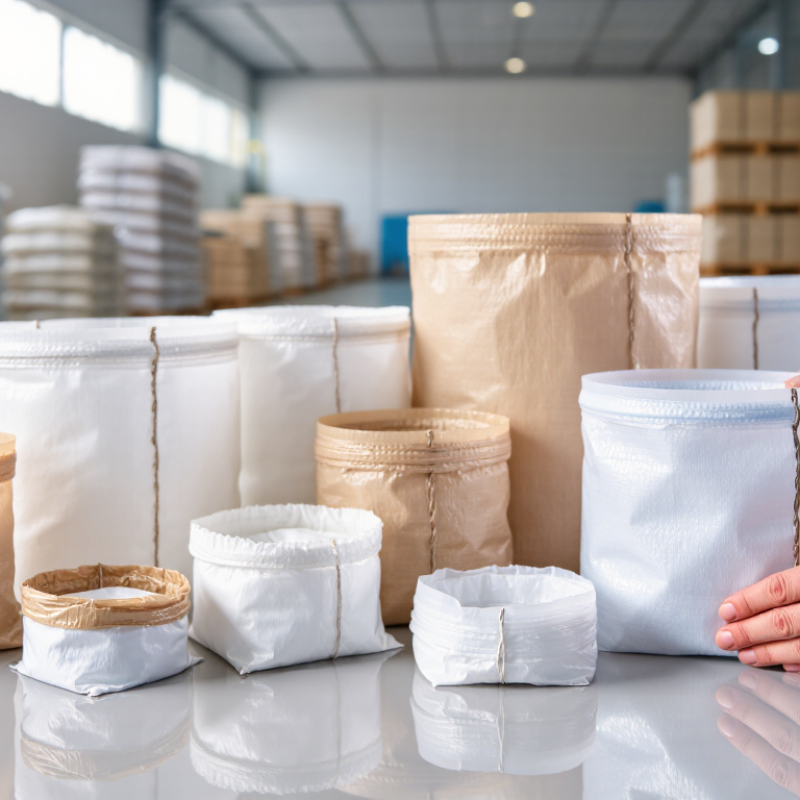
Common PP woven packaging formats are organized around the loads they are designed to carry, from standard sacks to bulk bags.

These are common nominal payload examples, not market averages: conventional woven sacks are often specified for 25 kg or 50 kg, while flexible intermediate bulk containers (FIBCs) commonly have safe working loads in the 500–2,000 kg range. Actual specifications vary by design; check each bag’s rated capacity.

Criteria for Evaluating Polypropylene Bag Suppliers

When evaluating polypropylene bag suppliers in China, look beyond price and glossy samples. Request the fabric weight in grams per square meter, bag dimensions, load rating, and test results for seam strength. Ask whether figures apply to a production batch or only a laboratory sample. That distinction matters. A woven sack filled with granules may perform differently from one carrying sharp-edged goods.

Check quality controls with evidence: inspection records, lot traceability, calibration logs, and a written process for handling defects. Ask for samples from regular production, then compare stitching, print alignment, and dimensions across several bags. Confirm monthly capacity, minimum order quantity, and realistic lead times in writing. A factory tour or independent audit can help, though neither guarantees every shipment will match the sample.

Assess material and environmental claims carefully. The OECD’s Global Plastics Outlook (2022) estimates that global plastic waste reached 353 million tonnes in 2019, with only 9% ultimately recycled. This is a broad plastics figure, not a polypropylene-bag statistic, but it makes verification important. Ask suppliers to document recycled-content percentages and explain how those claims are checked. Paperwork can still miss details. Compare specifications, test methods, and recent batch records before deciding.

Profiles of 10 Polypropylene Bag Suppliers in China

China’s polypropylene bag suppliers differ in weaving capacity, printing control, and order flexibility. The profiles below describe supplier types, not verified company-specific claims. PlasticsEurope’s Plastics – the Fast Facts 2024 reports 413.8 million tonnes of global plastics production in 2023. This broad figure provides industry context, but it does not measure polypropylene bags alone.

A woven-sack specialist typically serves bulk agricultural or industrial packaging needs; check fabric weight and seam strength. A small-lot converter may suit trial orders. Ask for sample lead times. A printing-focused supplier handles detailed artwork, though color matching deserves close review. A liner-integrated producer combines woven outer fabric with an inner film. Confirm fit using a filled sample. A large-volume factory may offer consistent output, but minimum orders can be demanding. A custom-size producer adjusts width and length for specific packing lines. A moisture-resistant specialist should document coating specifications. A recycled-content supplier needs clear material traceability. A logistics-oriented exporter can coordinate packing and shipping records. A quality-led supplier should provide batch inspection results and production tolerances. Paperwork matters. Some details are easy to miss. Check actual samples, not just catalog images.

Top 10 Polypropylene Bag Suppliers in China - Profiles of 10 Polypropylene Bag Suppliers in China

Scope note: The entries below are anonymized product-focused supplier profiles, not verified rankings or claims about specific companies. Product configurations are common in the polypropylene bag industry. Confirm each supplier’s capabilities, certifications, pricing, and production details directly before ordering.

Profile Typical Product Focus Common Construction Typical Applications Options to Discuss Key Checks for Buyers
01 — General-purpose woven bag profile Everyday woven polypropylene sacks Woven PP fabric; unlaminated or coated versions may be available Agricultural goods, minerals, and selected construction materials Bag dimensions, fabric weight, liner, closure, and print Request samples and confirm dimensions, seam strength, and intended filling method
02 — BOPP-laminated bag profile Printed retail and branded packaging formats Woven PP base with a BOPP film layer Pet food, animal feed, seed, and other packaged products Artwork, print coverage, finish, bag style, and optional liner Check print proofs, lamination adhesion, color consistency, and artwork ownership terms
03 — Fertilizer and chemical sack profile Sacks for granular or powdered products Woven PP, often with a coating or liner selected for the product Fertilizers and compatible industrial materials Moisture barrier, liner specification, filling opening, and closure Verify chemical compatibility, leakage requirements, and applicable destination-market rules
04 — Rice and grain packaging profile Woven sacks for grains and similar dry goods Woven PP; coated, laminated, or liner-equipped constructions can be specified Rice, grains, pulses, and seed Bag size, closure, print, liner, and food-contact material requirements For food use, request relevant compliance documentation for the destination market and intended use
05 — Valve bag profile Bags designed for valve filling systems Woven PP construction with a valve-style filling feature, subject to design Cement, mortar, and selected powdered materials Valve position, bag dimensions, coating, and filling-line compatibility Test on the intended filling equipment and confirm dust-control and discharge requirements
06 — FIBC bulk bag profile Flexible intermediate bulk containers for larger loads Woven PP fabric with lifting loops; configuration varies by use Bulk powders, granules, and other compatible dry materials Safe working load, filling and discharge features, loops, liner, and fabric treatment Confirm the rated load, safety factor, handling method, and any required test reports
07 — Mesh produce bag profile Open-mesh packaging for produce Woven or net-style polypropylene structure, depending on specification Onions, potatoes, and other produce where airflow is desired Mesh size, dimensions, color, drawstring, and label options Check ventilation, load suitability, closure strength, and local packaging requirements
08 — Liner-equipped bag profile Woven sacks specified with an inner liner Woven PP outer bag paired with a separately specified liner Products needing an additional moisture, dust, or containment barrier Liner material, thickness, fit, sealing method, and filling opening Define barrier performance and test the complete bag-and-liner assembly with the product
09 — Custom-printed industrial sack profile Printed bags tailored to an industrial buyer’s specification Woven PP fabric with print and optional coating or lamination Resins, minerals, building materials, and other dry goods Print method, artwork, fabric specification, dimensions, and closure Approve a production sample and confirm tolerances, print durability, and packaging method
10 — Small-format woven bag profile Compact woven bags for smaller pack sizes Woven PP, with uncoated, coated, or printed options to be confirmed Retail-size agricultural, gardening, and industrial products Pack size, handle or closure, print, liner, and shelf-display needs Request a quotation based on final specifications and confirm minimum order quantity and lead time

Before placing an order, compare quotations using the same bag dimensions, fabric specification, printing requirements, packaging method, and delivery terms. Request current samples and documentation where applicable.

How to Compare Suppliers by Products, Capacity, and Services

When comparing polypropylene bag suppliers in China, begin with the product range. Check whether each supplier makes woven sacks, laminated bags, or valve bags, and confirm available sizes, fabric weights, printing, and liners. Ask for specifications in writing. A sample helps. Inspect the seam, handle, and print alignment, then compare them with your actual filling process. A bag that looks sturdy on a desk may split under a loaded pallet.

Capacity needs evidence, not just a monthly figure in a sales email. Ask how many production lines are running, what quantity they can allocate to your order, and how peak-season delays are handled. Request recent quality-control records and a production schedule for a comparable order. Small details matter. A factory’s strongest sample may not represent output during a busy week, so a scorecard can give false confidence.

Service is part of the comparison. Check who confirms artwork, answers technical questions, and reports defects or delays. Ask how quickly replacement samples can be prepared and what inspection steps happen before shipment. Clear replies are useful, but verify them against documents and sample results. A low quote can be misleading if specifications differ or packing details are vague. Ask suppliers to quote the same bag dimensions, material weight, printing coverage, and packaging method before comparing prices.

S O C I A L 

  • Facebook
  • Instagram
  • Pinterest

©2022 by LaFata Cabinets. Proudly created with Wix.com

bottom of page