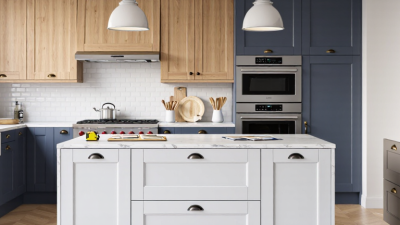
What Are the Top Cabinet Styles for 2026?
Cabinet Styles are moving toward warmer, calmer, and more practical interiors in 2026. Homeowners want storage that works hard without looking heavy. Natural oak, walnut tones, and soft painted finishes are gaining attention. Their visible grain adds depth beside stone counters and brushed metal hardware.
Framed cabinets remain dependable.
Slab doors still feel clean.
Inset construction brings precision, but it can require a larger budget. Shaker profiles continue to adapt through thinner rails, muted colors, and mixed materials. Designers are also combining wood lowers with painted uppers, creating contrast without overwhelming smaller kitchens. Fluted panels and reeded glass may add texture, although they can collect dust. That detail deserves more honesty.
Susan Serra, CKD, a respected kitchen designer and author, has said, “The kitchen should support the way people really live.” Her point matters when reviewing 2026 cabinet trends. A beautiful door style cannot fix poor circulation, weak lighting, or insufficient drawers. Experienced designers measure appliance clearances, examine daily habits, and test storage decisions before recommending a finish.
Expect concealed hardware, integrated charging spaces, and tall pantry cabinets to remain popular. Sustainable materials will also influence purchasing decisions, though environmental claims require careful verification. Not every “green” label tells the full story. Veneer quality, formaldehyde standards, repairability, and responsible sourcing deserve attention.
The strongest Cabinet Styles for 2026 will balance appearance with endurance. Trends can inspire. They should not dictate every choice. A cabinet may photograph beautifully today, yet feel dated or difficult tomorrow. This guide examines the leading styles, their practical strengths, and the compromises homeowners should consider before committing.
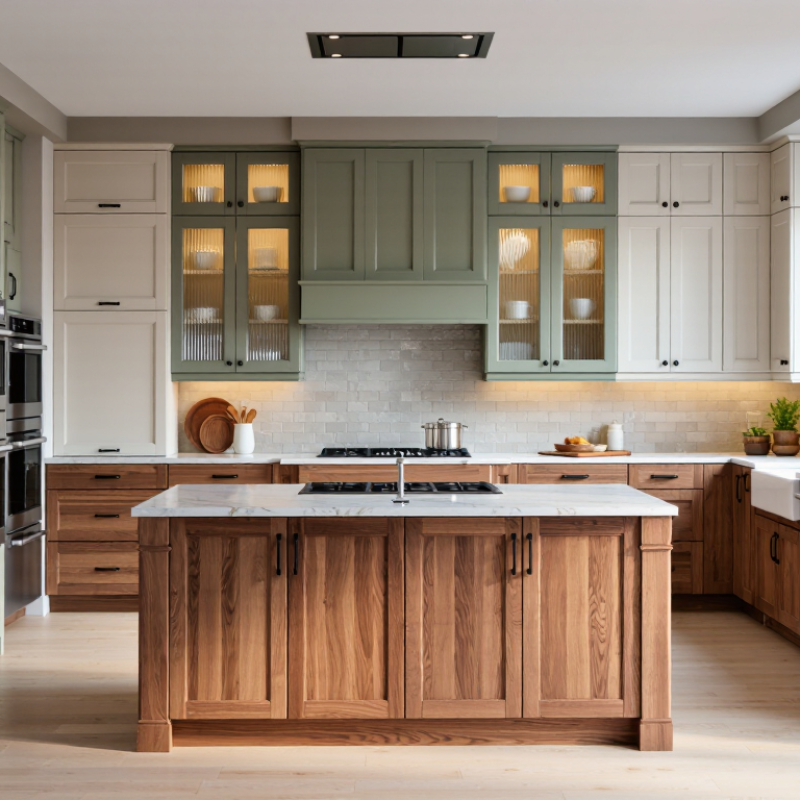
What Defines a Cabinet Style in 2026?
In 2026, a cabinet style means more than a door shape. It reflects how people cook, store, and move through the room. Houzz’s 2025 U.S. Kitchen Trends Study reports that 76% of renovating homeowners upgraded their cabinets. That figure shows their practical importance.
A modern style may use slab doors, but warmth now matters too. Designers often pair flat fronts with oak grain, muted green, or soft clay tones. A transitional kitchen might combine a narrow rail door, brushed metal pulls, and deep drawers for pans.
The National Kitchen & Bath Association’s 2025 Kitchen Trends Report highlights natural materials, improved storage, and layered lighting as significant kitchen priorities. Style is becoming functional.
Details define the experience. A tall pantry can hide small appliances. Full-extension drawers make heavy cookware easier to reach. Integrated handles create a quieter wall. Still, the line between modern and transitional is not clean.
I have seen one kitchen shift styles after changing only the hardware and finish. That is the useful warning: a cabinet label can mislead. Door profile, wood texture, color temperature, hardware scale, and daily use should be judged together. Even the best trend report cannot measure how a drawer feels at 7 a.m. or whether a dark finish shows every fingerprint. That part needs honest observation.
The Leading Cabinet Styles Shaping 2026 Kitchens
The leading cabinet styles shaping 2026 kitchens combine practical storage with warmer visual details. Transitional cabinetry remains influential, blending recessed-panel doors, soft oak tones, and restrained hardware. It feels familiar without looking dated. Contemporary slab doors are also gaining attention, especially in compact kitchens where flat surfaces create a calmer backdrop.
Houzz’s 2025 U.S. Kitchen Trends Study reported that 76% of renovating homeowners upgraded their cabinets. That figure shows how central cabinetry has become to kitchen planning. The report also identified white as a leading cabinet color, while natural wood continued attracting homeowners seeking warmth. In practice, designers are pairing pale wood lowers with painted uppers, creating contrast without visual clutter. It is a useful solution for kitchens with limited daylight.
Storage-led styles are shaping decisions more strongly in 2026.Tall pantry cabinets, deep drawers, and integrated appliance panels help maintain clean sightlines. The 2025 Kitchen Trends Report from the National Kitchen and Bath Association highlighted concealed storage, multifunctional spaces, and natural materials as continuing priorities among professionals. Yet trends can mislead. A handleless kitchen may photograph beautifully but feel awkward with wet hands. Dark cabinetry can add depth, though fingerprints become obvious near cooking zones. Careful material testing still matters more than a perfect showroom image.
How Materials and Finishes Influence Cabinet Trends
In 2026, cabinet style is shaped less by decoration and more by material behavior. Warm oak, walnut tones, and pale ash create a calmer kitchen atmosphere. Their visible grain adds depth without demanding glossy hardware. Designers increasingly pair these woods with simple slab doors or narrow-frame fronts. The look feels modern, but not sterile.
Recycled fiber panels and durable laminates are also gaining attention. They offer consistent color, easier maintenance, and fewer worries about small scratches. Matte finishes hide fingerprints better than high-gloss surfaces, especially in busy family kitchens. Still, matte black can absorb too much light in a small room. A soft gray or clay finish may work better beside a stone countertop. Texture matters, too. Brushed surfaces catch daylight gently, while heavily patterned finishes can become tiring over time.
Mixed materials are becoming a practical cabinet trend. Wood lowers can balance painted upper cabinets, while metal mesh or reeded glass can lighten tall storage. In my cabinet planning experience, finish samples often look different under morning and evening lighting. Never trust one showroom light. I still think some trend forecasts overlook cleaning habits, which matter more than photographs suggest. A beautiful porous finish may age poorly near a sink. Slight color variation is not always a flaw. It can make the room feel lived in.
Which Cabinet Styles Suit Different Kitchen Layouts?
Cabinet style should follow the kitchen’s movement, not only its visual trend. In 2026, clean Shaker doors remain practical for L-shaped kitchens because their simple frames suit corners and mixed storage. They also tolerate daily fingerprints better than highly glossy surfaces. In a narrow galley kitchen, slab doors create a calmer visual line. Handleless fronts can make the passage feel wider, although they may require more careful cleaning around recessed pulls.
U-shaped kitchens benefit from balanced cabinet details. Inset doors offer a tailored appearance, but their tighter gaps demand accurate installation and stable humidity control. A professional installer should check wall levels before choosing this style. For kitchens with a large island, flat-panel cabinets on the island can contrast with framed doors along the walls. This gives the work zone a clear visual anchor without making the room feel crowded.
Small kitchens need restraint. Glass-front cabinets can lighten an upper run, especially beside a window or under warm lighting. Use them sparingly. Too much glass exposes clutter and weakens the room’s calm appearance. I once recommended open shelving for a compact renovation, but the homeowner found dust maintenance frustrating. That experience still influences my advice: attractive storage is not always convenient storage. Door thickness, hinge clearance, and appliance placement deserve attention before selecting a fashionable profile. Layout decides the style.
| Cabinet Style | Defining Features | Visual Effect | Storage and Practicality | Best-Suited Kitchen Layouts | Layout Compatibility | 2026 Design Relevance |
|---|---|---|---|---|---|---|
| Shaker | Five-piece door with a flat center panel, straight rails, and simple recessed detailing. | Balanced, adaptable, and architectural without appearing overly ornate. | Works well with standard framed or frameless cabinet boxes; easy to combine with drawers, pull-outs, and tall storage. | L-shaped, U-shaped, galley, one-wall, and island kitchens. | Excellent | Remains a dependable choice because it works with traditional, transitional, contemporary, and mixed-material schemes. |
| Flat-Panel or Slab | One-piece door front with a completely flat surface and minimal visible detailing. | Clean, streamlined, and visually quiet; can make compact kitchens feel less busy. | Smooth fronts are easy to wipe clean. Handleless or integrated-handle versions can reduce visual interruptions. | One-wall, galley, compact L-shaped, and modern island kitchens. | Excellent | Strong fit for contemporary interiors, understated palettes, natural wood tones, and simplified hardware. |
| Inset | Doors and drawers sit inside the cabinet frame instead of overlaying the front. | Precise, tailored, and furniture-like. | Provides a refined appearance but requires accurate installation and generally offers slightly less interior clearance than full-overlay construction. | L-shaped, U-shaped, and large island kitchens where cabinetry is a major visual feature. | Very good | Supports the continued preference for crafted, residential-looking kitchens with elevated detailing. |
| Raised-Panel | Center panel projects above the surrounding frame, often with more traditional edge detailing. | Decorative, substantial, and classically styled. | Provides a durable, established cabinet format; detailed profiles may require more cleaning than flat fronts. | Large U-shaped, L-shaped, and classic kitchen layouts. | Good | Best used selectively when a traditional or heritage-inspired character is desired rather than a minimalist look. |
| Glass-Front | Cabinet doors include clear, textured, frosted, or reeded glass panels. | Adds depth, lightness, and an opportunity to display coordinated dishes or glassware. | Useful for visually breaking up a run of solid doors; contents remain partly or fully visible, so interior organization matters. | Island kitchens, L-shaped kitchens, and one-wall kitchens with open display zones. | Good as an accent | Works well with curated storage, warm lighting, mixed materials, and selective open-display moments. |
| Beaded or Furniture-Detail | Doors or cabinet panels feature narrow bead detailing, decorative framing, or furniture-style legs and trim. | Warm, handcrafted, and personalized. | Most effective on selected sections such as an island, pantry wall, or sink base rather than every cabinet run. | Large L-shaped, U-shaped, and island-centered kitchens. | Good as an accent | Supports individualized kitchens and layered designs while avoiding a completely uniform cabinet treatment. |
| Two-Tone Cabinetry | Two coordinated cabinet colors, finishes, or materials are used within the same kitchen. | Creates zones, contrast, and a stronger visual hierarchy. | Can distinguish base cabinets from wall cabinets or highlight an island without changing the floor plan. | L-shaped, U-shaped, and island kitchens. | Excellent when balanced | Continues to suit personalized kitchens, especially when paired with restrained hardware and natural-looking finishes. |
| Open-Shelf Combination | Solid cabinet doors are combined with a limited number of open shelves. | Lightens tall or continuous cabinet runs and adds accessible display storage. | Open shelves are convenient for frequently used items but require tidier organization and more regular dusting. | One-wall, galley, and compact L-shaped kitchens. | Good in moderation | Useful for creating an open, less enclosed appearance without removing most of the kitchen's concealed storage. |
How to Choose a Cabinet Style for Long-Term Value
What Are the Top Cabinet Styles for 2026?
How to Choose a Cabinet Style for Long-Term Value
Cabinet trends for 2026 favor calm surfaces, concealed hardware, and flexible storage. Yet long-term value depends less on novelty than on construction, maintenance, and proportion. Shaker doors remain dependable because their simple frames suit traditional, transitional, and modern rooms. Slab fronts create a cleaner look, but fingerprints and uneven walls become more noticeable. Inset cabinets feel refined, although their tighter tolerances can increase installation and adjustment demands. Choose wisely.
Start with the room’s daily pressure points. Near a busy sink, use moisture-resistant finishes and sealed edges. Where children gather, prioritize durable hinges, washable surfaces, and comfortable hardware. A cabinet professional should explain box materials, joinery, drawer capacity, and replacement options before quoting. Ask for a sample door, then inspect it under daylight and warm evening lighting. Color can look perfect online and strangely gray at home. Written specifications matter. Confirm the warranty, finish-care limits, and installation responsibilities in writing.
I once favored the most dramatic dark finish for a high-use kitchen. After a few years, dust and small scratches demanded more attention than expected. That experience changed my advice: select a style you can clean without resentment. Natural wood tones, muted painted doors, and narrow rails often age gracefully, but no finish is maintenance-free. For resale, broad appeal usually matters more than unusual detailing. Do not overspend on decoration while ignoring ventilation, hardware quality, or accessible storage. A beautiful kitchen still fails when its doors sag.
What Are the Top Cabinet Styles for 2026?
How to Choose a Cabinet Style for Long-Term Value
Shaker and slab cabinets score highly because their simple profiles adapt well to changing hardware, paint colors, countertops, and flooring. Raised-panel and inset styles offer a more traditional look, while beadboard creates stronger visual character but may be less adaptable over time. Scores are a practical planning benchmark based on design longevity, cleaning simplicity, renovation compatibility, and broad household appeal; they are not a market-price forecast.
Related Posts
-
How to Choose the Best Cabinet Styles for Your Home?
-
Top 10 Local Kitchen Cabinets Styles You Should Consider?
-

How to Source Kitchen Cabinets from Global Suppliers
-
2025 How to Choose the Perfect Kitchen Cabinets for Your Home
-
How to Choose the Best Kitchen Cabinets for Your Home?
-
What Makes New Cabinets a Game Changer in Global Supply Standards


Fall into Function: How LaFata Cabinets Prepares Your Kitchen for the Cozy Season


Back-to-School Kitchen Refresh: How LaFata Cabinets Can Help You Stay Organized This Fall