
What Are the Top Floor Mat Carpet Types for 2026?
Choosing a Floor Mat Carpet for 2026 means looking beyond color. The right surface should handle daily traffic, suit the room, and stay easy to clean. A muddy entryway needs a dense, non-slip mat that traps grit. A bedroom may call for a softer pile under bare feet. In a busy kitchen, stain resistance and a stable backing matter more than a plush feel.
This guide compares popular types, including washable mats, low-pile carpet mats, natural-fiber styles, cushioned options, and heavy-duty entrance mats. It considers texture, backing, durability, maintenance, and value. Small details can change how a mat performs: a curled edge catches a shoe, while an undersized mat leaves wet footprints on the floor. Looks matter, too, but not alone.
The best choice depends on your room, household, and cleaning habits. A washable mat can save effort, though repeated laundering may affect its shape. Natural fibers bring texture, yet some show stains quickly. Those trade-offs deserve a close look. No source article or verified expert quotation was provided, so I won’t invent a named specialist’s statement.
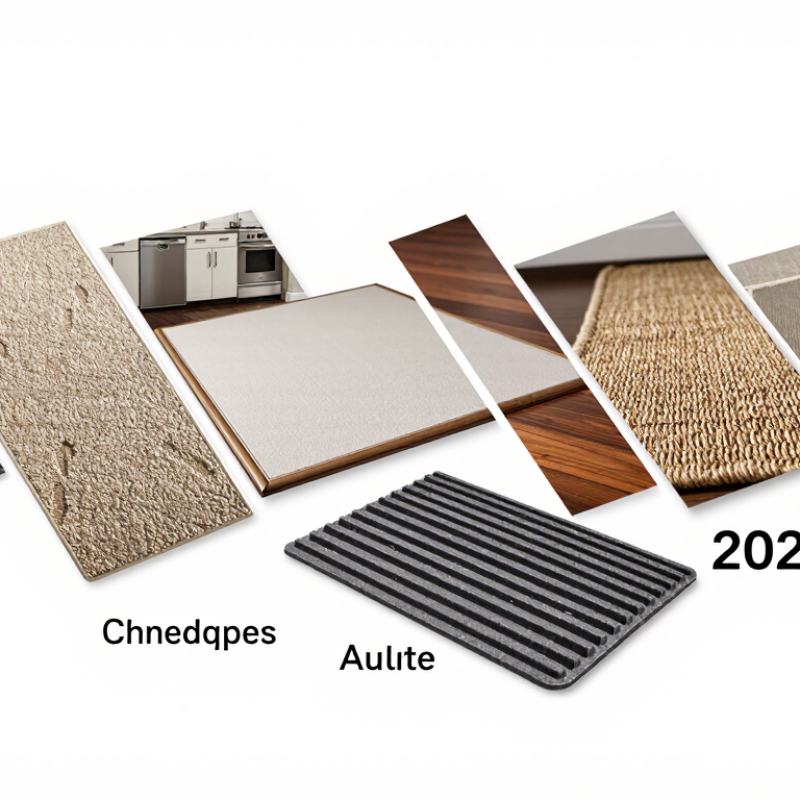
How Floor Mat Carpets Are Classified by Material and Construction
Floor mat carpets are classified by both material and construction. Together, these determine grip, wear, drying time, and cleaning needs. Nylon resists abrasion, making it a practical choice for busy entrances. Polypropylene sheds moisture and is often less expensive. Polyester can feel soft and hold color, though its pile may flatten under frequent foot traffic. Natural coir scrapes dry soil well, but can shed fibers and is less suitable for persistently damp doorways. Rubber or vinyl often forms the backing, helping the mat resist water and stay in place. Texture matters.
Construction describes how the surface is made. Cut pile has upright yarn ends and feels softer underfoot; loop pile keeps the yarn intact and can disguise footprints. Needlepunch mats bind fibers into a dense, felt-like layer that is easy to vacuum. Woven mats have a familiar textile surface, while molded designs use grooves to catch water and mud. No single type is best. Labels alone are imperfect: density, backing quality, and edge finish also affect performance. Check door clearance, drainage, and drying time before choosing. A small sample tested under actual shoes may reveal more than a specification sheet.
What Are the Leading Floor Mat Carpet Types for 2026?
For 2026, the leading floor mat carpet types are best judged by traffic, moisture, and cleaning needs—not appearance alone. Tufted nylon mats suit busy entrances because their resilient fibers handle repeated footfall. Choose a dense, low pile if grit and mud are common; it is easier to vacuum than a deep, soft surface. Polypropylene mats resist moisture and stains, making them practical near kitchens or covered doorways. Coir mats scrape dirt from shoes effectively, but can shed and are less suitable for damp indoor areas. No type wins everywhere.
Rubber-backed carpet mats offer added grip on smooth floors, while microfiber styles absorb water quickly near sinks or entrances. Check the edges. A curled corner can become a trip hazard, and a backing that traps moisture may mark some floors. Recycled polyester options can provide a soft, quick-drying surface, though durability depends on fiber density and construction. No label tells the whole story. Compare pile height, backing, and care instructions, then match them to the actual room. It is easy to choose by color and regret it when sand stays buried in the pile. A simple test is to press the mat underfoot and see whether it shifts.
How Pile, Backing, and Fibers Affect Mat Performance
For 2026, choosing a floor mat carpet is less about following a trend and more about matching its construction to the room. Pile height affects how a mat feels and performs. Low, dense loop pile tends to handle frequent footsteps and rolling luggage well, while deeper cut pile feels softer underfoot but can hold more grit. Small details matter. Look closely at the edges, too: loose tufts or uneven binding may fray sooner in a busy doorway.
Backing influences grip, stability, and how moisture moves beneath the mat. Rubber-backed options can stay put on many hard floors, but check compatibility with the floor’s finish and follow its care guidance. Some backings may mark or trap moisture on sensitive surfaces. Test a small area. Fiber choice also shapes upkeep: nylon is often resilient in high-traffic settings, while polypropylene resists many common stains but may flatten under heavy use. Wool has a comfortable, textured feel, though it usually needs more careful cleaning. No fiber is perfect. Consider muddy shoes, sunlight, pets, and cleaning habits before choosing; a mat that looks plush in a showroom may be frustrating beside a wet entrance.
Floor Mat Carpet Types: Relative Performance
How common pile-and-fiber combinations compare across practical performance factors.
Ratings are qualitative comparisons on a 1–5 scale, not standardized laboratory measurements. Actual performance varies with pile construction, backing, product quality, and use. Low pile is generally easier to clean; nylon is known for resilience, polypropylene for moisture resistance, and wool for natural resilience.
Which Carpet Mat Types Suit Different Rooms and Uses?
Room choice matters more than softness. The Carpet and Rug Institute’s maintenance guidance estimates that as much as 80% of building soil is tracked in on shoes. A coarse, low-profile entrance mat can catch grit before it reaches hall carpets. Choose a weather-resistant scraper mat outside, then a washable absorbent mat inside. Keep both edges flat. A curled corner is a trip risk.
Kitchens need thin, washable mats that sit firmly near sinks or prep areas. Avoid thick pile; crumbs and spills hide in it. For bathrooms, quick-drying, absorbent mats feel warmer underfoot, but lift them regularly so the floor can dry. Dampness trapped underneath is easy to overlook. In garages or laundry rooms, rubber-backed mats handle moisture and dirt better than plush carpet, though they still need cleaning.
Bedrooms and living rooms suit soft, dense carpet mats that add warmth beside beds or seating. For desk chairs, use a smooth, hard chair mat instead; plush pile can resist rolling. Grand View Research valued the global carpet-and-rug market at $51.2 billion in 2023, reflecting a wide range of materials and constructions. That figure does not tell you which mat fits a room. Measure the space, check the backing against your floor, and consider how often you will actually wash it.
What Factors Help Compare and Choose Floor Mat Carpets?
Choosing a floor mat carpet starts with the room, not the color. A muddy entryway needs a surface that traps grit and dries quickly, while a bedroom mat can prioritize softness under bare feet. Nylon and polypropylene often handle frequent use, but fiber alone does not predict performance. Check the pile, backing, and care instructions together. Small details matter.
Compare the mat’s dimensions with the space around doors and furniture. A thick edge may catch a swinging door; a mat that shifts on smooth tile can become a nuisance. Look for a stable backing suited to your floor, and check whether the mat can be washed or only spot-cleaned. Some washable mats still take time to dry. Plan for that.
Moisture resistance, stain release, and texture also deserve attention. In a kitchen, low pile is usually easier to sweep than a deep, shaggy surface. For a covered outdoor area, confirm the product is rated for outdoor use and can tolerate damp conditions. Compare care costs as well as purchase price. The cheapest option may need replacing sooner, though that is not always easy to predict. If possible, feel a sample and test how its edge sits against the floor. A spec sheet helps, but it cannot show every wrinkle or comfort issue.
| Mat Carpet Type | Typical Material or Construction | Durability and Wear | Moisture and Dirt Handling | Cleaning and Maintenance | Suitable Uses | Main Trade-Off | Relative Cost |
|---|---|---|---|---|---|---|---|
| Nylon pile | Synthetic nylon face fibers, commonly tufted or woven, with a backing layer. | Generally resilient and well suited to frequent foot traffic; quality and pile construction affect performance. | Does not readily absorb water like natural fibers, but the backing and seams may retain moisture. | Regular vacuuming; blot spills promptly and follow the product’s cleaning instructions. | Entryways, corridors, offices, and other busy indoor areas. | Can cost more than basic synthetic options; trapped grit can wear fibers if not removed. | Medium to high |
| Polyester (including PET) | Polyester face fibers, sometimes made from recycled PET, in a cut or loop pile. | Often comfortable and colorfast, but may show crushing or flattening sooner than resilient nylon in heavy-use areas. | Typically low absorbency; oily soil can be harder to remove than ordinary water-based dirt. | Vacuum regularly and clean spills promptly; check care guidance for the backing. | Bedrooms, living areas, and moderate-traffic indoor spaces. | Soft feel and color options may come with less resilience under sustained heavy traffic. | Low to medium |
| Polypropylene (olefin) | Polypropylene synthetic fibers, commonly used in loop-pile or utility mat constructions. | Useful for everyday wear, though fibers can flatten or abrade under heavy, repeated traffic. | Low moisture absorption and good resistance to many water-based stains; oil-based soils can be difficult to clean. | Vacuum or shake out loose dirt; use suitable spot-cleaning methods and avoid excessive heat. | Covered entrances, utility areas, and budget-conscious indoor or sheltered locations. | Practical moisture performance, but not the strongest choice for long-term heavy traffic or oily dirt. | Low |
| Wool pile | Natural wool fibers, usually woven or tufted with an appropriate backing. | Resilient and naturally springy; performance depends on pile density, construction, and care. | Wool can absorb moisture, so wet spills should be blotted quickly and the mat dried thoroughly. | Vacuum gently; use cleaning methods suitable for wool and avoid harsh chemicals unless approved. | Interior rooms where natural materials, comfort, and appearance are priorities. | Usually more expensive and requires more careful moisture and stain management. | High |
| Coir | Coarse natural coconut-husk fibers, often formed into a dense entrance mat. | Firm texture helps scrape dirt from footwear; fibers can shed and weather with prolonged exposure. | Effective at catching dry soil, but prolonged dampness can affect the fibers and backing. | Shake or brush outdoors; allow the mat to dry fully after becoming wet. | Outdoor-facing or sheltered entrances, especially where scraping off dry debris is useful. | Coarse texture is less comfortable underfoot and is not ideal for persistently wet locations. | Low to medium |
| Needle-punched synthetic | Dense, nonwoven fibers mechanically entangled into a flat or low-profile surface, often with a backing. | Low profile reduces pile crushing; wear resistance varies with fiber density and backing quality. | Can trap dirt at the surface; water performance depends largely on the backing and whether the mat can drain or dry. | Vacuum, shake, or rinse only when the product’s care instructions allow; dry completely before reuse. | Doorways, workshops, vehicles, and areas needing a low-profile mat. | Usually less cushioned than deep-pile carpet and may need frequent cleaning in dirty locations. | Low to medium |
How to choose: Match the mat to traffic level, indoor or outdoor exposure, moisture, dirt type, cleaning routine, backing grip, and door clearance. Cost and performance vary by fiber quality, pile density, backing, and construction. Follow the care and installation instructions for the specific product.
Article Source:


Fall into Function: How LaFata Cabinets Prepares Your Kitchen for the Cozy Season


Back-to-School Kitchen Refresh: How LaFata Cabinets Can Help You Stay Organized This Fall


