top of page

Top 10 Types of Home Kitchen Cabinets for Global Buyers

Choosing the right Home Kitchen Cabinets involves more than comparing colors, prices, or showroom photographs. Global buyers must consider climate, cooking habits, available space, installation standards, and long-term maintenance. A cabinet that performs well in a dry European apartment may struggle in a humid coastal home. Details matter.

Kitchen designer Johnny Grey has said, “The kitchen is the most important room in the house.” His observation explains why cabinet selection deserves careful attention. Cabinets shape storage, movement, cleaning routines, and the visual character of the entire kitchen. This guide examines ten widely used types, including shaker, flat-panel, glass-front, inset, frameless, and thermofoil cabinets. Each option offers practical strengths, but none is perfect.

Real projects often reveal unexpected problems. A beautiful glossy door may show fingerprints every day. Natural wood can change slightly with humidity. Deep drawers may improve access, yet reduce space for plumbing. These small compromises are easy to miss in a catalog. They become obvious when a saucepan hits the cabinet frame.

The following overview uses professional selection principles, material knowledge, and buyer-focused comparisons. It considers construction quality, hardware, moisture resistance, cleaning needs, customization, and value over time. Regional manufacturing standards may differ, so buyers should verify certifications, warranty terms, and installation support. This is not a flawless ranking. Personal cooking habits and local conditions can change the order completely. Still, the ten categories provide a practical starting point for evaluating Home Kitchen Cabinets with greater confidence.
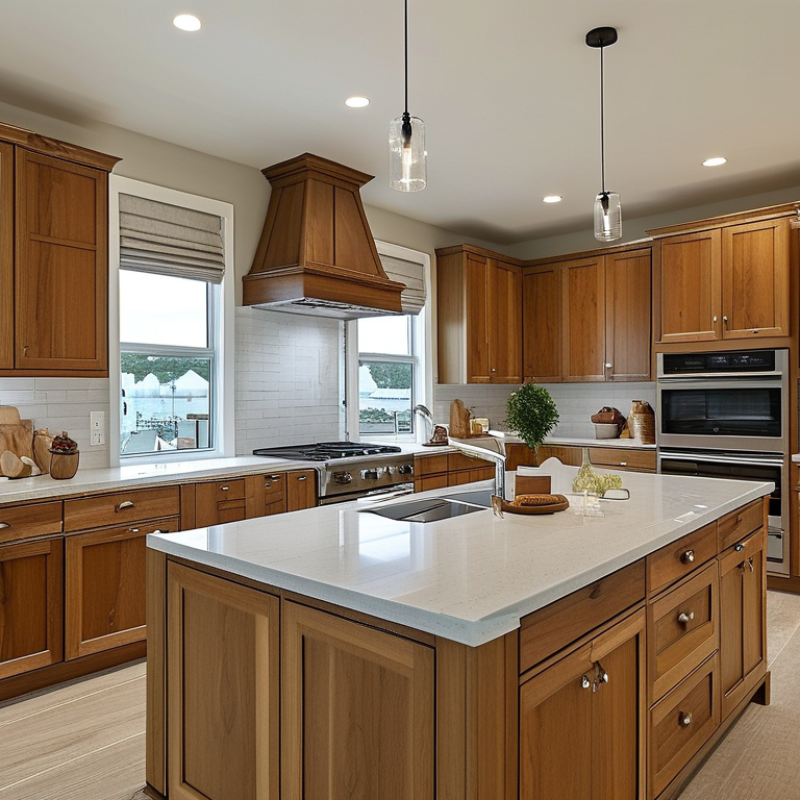
Top 10 Types of Home Kitchen Cabinets for Global Buyers

How Kitchen Cabinets Are Classified by Design, Layout, and Construction

Top 10 Types of Home Kitchen Cabinets for Global Buyers

How Kitchen Cabinets Are Classified by Design, Layout, and Construction

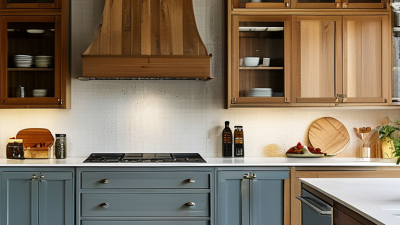
Kitchen cabinets are easier to compare when buyers separate appearance from structure. Shaker cabinets use framed doors and clean recessed panels. Flat-panel cabinets create a smooth, modern surface. Raised-panel doors add depth and traditional character. Glass-front cabinets display dishes but require careful organization. Open-shelf cabinets improve access and make small kitchens feel lighter. These five types describe cabinet design, not the whole kitchen plan.

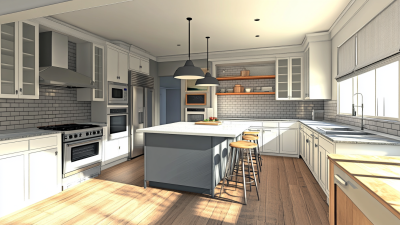
Layout changes how cabinets work in a room. One-wall kitchens place storage along a single run, often for compact homes. Galley kitchens use two parallel cabinet lines and support efficient movement. L-shaped kitchens fit corners and leave space for dining. U-shaped kitchens provide generous storage but can feel crowded in narrow rooms. Island kitchens add a separate work zone and may include drawers, seating, or a sink. Measure walking space carefully.

Construction affects durability, installation, and maintenance. Face-frame cabinets have a visible front frame and a familiar, sturdy appearance. Frameless cabinets offer wider drawer access and a cleaner European-style look. Solid wood, plywood, and engineered panels each perform differently in humid conditions. Hardware quality matters too. Soft-close hinges are useful, but they cannot correct poor alignment.

In my project reviews, buyers often choose by color first. That assumption can fail. Door style, cabinet depth, ventilation, and local cooking habits deserve equal attention. A beautiful layout may still waste corner space. Check material samples in natural light. Confirm dimensions, certifications, replacement parts, and installation tolerances before ordering. No system is perfect.

Top 10 Types of Home Kitchen Cabinets for Global Buyers

How kitchen cabinets are classified by design, layout, and construction

The chart compares commonly used modular cabinet dimensions in centimetres. Base, tall, appliance, and island units are typically close to 60 cm deep, while wall cabinets and open shelving are shallower. Widths vary by manufacturer and local building standards, but 60 cm modules and 30–40 cm wall units are widely used in global kitchen planning.

Ten Popular Kitchen Cabinet Types for International Buyers

International buyers often compare ten popular kitchen cabinet types: Shaker, slab, raised-panel, flat-panel, glass-front, open shelving, inset, frameless, face-frame, and thermofoil cabinets. Each creates a different balance of cost, storage, cleaning, and visual style. Shaker doors suit many markets because their simple rails and recessed centers are easy to repair. Slab doors look modern and reduce dust traps. Glass-front doors display dishes, but they demand careful packing and stronger hinges.

Construction matters as much as appearance. Frameless cabinets provide wider drawer access, while face-frame cabinets can feel more traditional and rigid. Inset cabinets offer precise detailing, yet they need tighter installation tolerances. Thermofoil surfaces resist moisture well, but heat near ovens may cause long-term problems. Houzz’s 2024 U.S. Kitchen Trends Study reported that 76% of renovating homeowners upgraded their cabinets, showing their importance in renovation budgets. The National Kitchen and Bath Association’s 2024 market outlook also continued to identify cabinetry as a major kitchen investment category. These figures are U.S.-focused, not universal. Buyers should avoid treating them as global rules.

Tips: Ask for material samples, hinge specifications, carton dimensions, and replacement-part policies before ordering. Check whether cabinet widths match local appliances. In humid regions, sealed edges and moisture-resistant panels deserve extra attention. I have seen attractive doors fail because the installation environment was ignored. That mistake is easy to repeat. International purchasers should also verify packaging strength, assembly instructions, and applicable product standards with qualified local professionals.

Materials, Finishes, Hardware, and Manufacturing Standards

Top 10 Types of Home Kitchen Cabinets for Global Buyers

Kitchen cabinet selection involves more than appearance. Common styles include Shaker, flat-panel, raised-panel, slab, inset, frameless, glass-front, louvered, beadboard, and thermofoil cabinets. Each style affects cleaning, storage, cost, and manufacturing complexity.

Materials deserve careful inspection. Solid wood offers strength, but it can expand with humidity. Plywood performs reliably when edges are sealed properly. Medium-density fiberboard gives smooth painted finishes, while particleboard reduces cost but needs excellent moisture protection. Finishes should resist peeling, staining, and household cleaning agents. Matte surfaces hide fingerprints better than high-gloss doors, though scratches may show clearly. Hardware should include tested hinges, soft-close runners, adjustable legs, and corrosion-resistant screws. Small details matter.

Tips: Request material samples, finish panels, and hardware cycle-test results before ordering. Confirm door thickness, edge sealing, load capacity, and replacement-part availability. Manufacturing should follow documented quality controls, accurate drilling tolerances, and moisture testing. Ask for formaldehyde-emission data and applicable safety documentation for your market. Requirements differ by country, so local review remains necessary. I have seen attractive cabinets fail because installers ignored wall moisture. No specification is perfect. Inspect every shipment. A minor color variation may be acceptable, but warped doors and uneven gaps are not. Photograph defects before installation, and keep approved samples for comparison.

Top 10 Types of Home Kitchen Cabinets for Global Buyers - Materials, Finishes, Hardware, and Manufacturing Standards

No. Cabinet Type Typical Construction Primary Materials Common Finishes Recommended Hardware Relevant Manufacturing Standards Typical Applications Key Buyer Checks
1 Framed Cabinets A face frame is attached to the front of the cabinet box; doors may be overlay or inset. Plywood, particleboard, MDF, or solid wood frame components. Paint, stained wood veneer, melamine, laminate, or clear protective coating. Concealed hinges, adjustable shelf pins, full-extension drawer slides, and soft-close dampers. ANSI/KCMA A161.1 where applicable; EN 14749 for domestic storage furniture; ISO 7170 for storage-unit performance testing. Traditional, transitional, and renovation kitchens requiring a more substantial front profile. Confirm face-frame dimensions, opening width, overlay allowance, cabinet-to-cabinet spacing, and hinge adjustment range.
2 Frameless Cabinets A box-style cabinet without a front face frame, providing a larger and more accessible interior opening. Engineered wood panels, commonly plywood, MDF, or melamine-faced particleboard. Decorative melamine, high-pressure laminate, acrylic, veneer, or sprayed paint. European-style concealed hinges, clip-on mounting plates, drawer systems, and adjustable legs. EN 14749; ISO 7170; formaldehyde-emission requirements such as CARB Phase 2, TSCA Title VI, or E1 depending on market. Modern kitchens, compact layouts, and projects prioritizing maximum internal storage space. Check cabinet squareness, edge-banding quality, panel thickness, installation tolerances, and wall-fixing method.
3 Inset Cabinets Doors and drawer fronts sit inside the cabinet opening rather than over the cabinet frame. Solid wood, plywood, MDF, or veneered engineered wood. Hand-painted or factory-applied paint, stained wood, veneer, and clear lacquer. Adjustable concealed hinges or specialized inset hinges; soft-close drawer slides and precise drawer guides. ANSI/KCMA A161.1 where applicable; EN 14749; ISO 7170; dimensional inspection under the manufacturer’s quality-control plan. High-detail traditional, heritage, and premium residential interiors. Require consistent reveals, accurate door sizing, seasonal movement allowances, and a clear touch-up policy.
4 Flat-Pack / Ready-to-Assemble Cabinets Knock-down panels supplied with pre-drilled holes, connectors, doors, and installation hardware. Melamine-faced particleboard, MDF, plywood, or a combination of engineered panels. Melamine, laminate, foil-wrapped panels, acrylic, or UV-cured decorative surfaces. Cam-and-dowel connectors, confirmat screws, concealed hinges, adjustable feet, and clip-on plinths. EN 14749; ISO 7170; packaging and transport testing such as ISTA procedures; CARB Phase 2, TSCA Title VI, or E1 emissions requirements as needed. E-commerce, apartment projects, self-installation, and export shipments where flat packaging reduces freight volume. Verify assembly instructions, connector strength, carton drop protection, missing-parts control, and replacement-part availability.
5 Plywood-Box Cabinets Cabinet boxes use layered wood veneer panels bonded into plywood for strength and dimensional stability. Hardwood or softwood plywood; doors may use MDF, veneer, or solid wood. Wood veneer, high-pressure laminate, melamine, paint-grade coatings, or clear lacquer. Full-extension metal drawer slides, concealed soft-close hinges, shelf clips, and wall-rail mounting systems. EN 636 plywood classification where relevant; EN 14749; ISO 7170; applicable low-emission requirements for composite components. Higher-use kitchens, humid climates, premium remodeling, and projects requiring robust cabinet boxes. Confirm plywood grade, number of plies, panel thickness, veneer core quality, edge sealing, and moisture exposure limitations.
6 Painted MDF Cabinets Smooth, uniform MDF doors and panels are machined, sealed, primed, and painted. Medium-density fibreboard for doors and exposed panels; cabinet boxes may be plywood or particleboard. Acrylic paint, polyurethane, waterborne coatings, UV finishes, or catalyzed lacquer. Adjustable concealed hinges, soft-close undermount slides, and anti-sag support for wide doors. EN 622-5 for MDF classification where relevant; EN 14749; ISO 7170; formaldehyde-emission testing under the destination market’s rules. Shaker, slab, contemporary, and color-matched kitchens requiring a smooth painted appearance. Inspect coating adhesion, edge coverage, color consistency, moisture protection around sinks, and resistance to household cleaners.
7 Melamine-Faced Particleboard Cabinets Decorative resin-impregnated paper is heat-fused to particleboard panels, usually with sealed edges. Particleboard core with melamine-faced surfaces and ABS, PVC, or matching melamine edge banding. Woodgrain, solid color, stone effect, matte, textured, or high-gloss melamine. Concealed hinges, metal drawer boxes, roller or ball-bearing slides, adjustable legs, and shelf supports. EN 312 for particleboard classification where relevant; EN 14322 for melamine-faced boards; EN 14749; CARB Phase 2, TSCA Title VI, or E1 emissions requirements. Cost-sensitive residential projects, rental housing, student accommodation, and large-volume developments. Check board density, screw-holding capacity, edge sealing, water resistance, emission documentation, and protection against swelling.
8 Solid-Wood Cabinets Solid timber is used for doors, frames, trim, or selected structural components; panels may be solid or veneered. Hardwood or softwood, with plywood or engineered panels often used for stable cabinet sides and backs. Stain, clear lacquer, oil, wax, paint, or wire-brushed and distressed treatments. Heavy-duty concealed or traditional hinges, full-extension slides, solid shelf pins, and reinforced drawer joints. EN 942 for visual timber quality where relevant; EN 14749; ISO 7170; responsible-sourcing documentation such as chain-of-custody certification when required. Premium, rustic, farmhouse, classic, and custom kitchens where natural grain is a design priority. Confirm timber species, moisture content, joint construction, grain matching, seasonal movement allowance, and finish-repair process.
9 Thermofoil Cabinets A molded vinyl or polymer film is vacuum-formed over MDF doors and sealed around the edges. MDF door core with PVC, PET, or other polymer film; cabinet boxes commonly use melamine-faced panels. Matte, gloss, solid color, woodgrain, shaker profile, or embossed texture. Concealed soft-close hinges, adjustable drawer slides, and heat-resistant hardware around ovens and cooking zones. EN 14749; ISO 7170; applicable MDF and formaldehyde-emission requirements; coating and bond-quality testing specified by the purchaser. Easy-clean kitchens, budget renovations, rental properties, and designs requiring consistent color and texture. Check film adhesion, seam quality, heat clearance, resistance to peeling, repairability, and exposure limits near steam appliances.
10 Stainless-Steel Cabinets Sheet-metal cabinet bodies and doors are formed, welded or mechanically joined, finished, and fitted with adjustable interiors. Food-contact or architectural stainless steel, commonly austenitic grades selected according to corrosion and use requirements. Brushed, satin, polished, bead-blasted, patterned, or fingerprint-resistant coated surfaces. Stainless hinges, corrosion-resistant drawer slides, leveling legs, removable shelves, and concealed fasteners. EN 14749 where applicable; ISO 7170; ISO 9227 corrosion testing when specified; local electrical, plumbing, hygiene, and fire requirements for the complete installation. Professional-style residential kitchens, coastal locations, outdoor kitchens, and applications requiring high cleanability. Verify steel grade and thickness, weld quality, corrosion resistance, sharp-edge control, noise reduction, and compatibility with nearby metals.
Global buyer note: Standards and certification requirements vary by destination market. Confirm the applicable emissions, safety, structural, packaging, fire, electrical, and installation requirements before production and shipment.

How to Compare Cabinet Quality, Functionality, and Long-Term Value

Top 10 Types of Home Kitchen Cabinets for Global Buyers

Cabinet quality starts beyond the door style. Compare stock, semi-custom, and custom cabinets by material, joinery, and repair access. Framed cabinets add a traditional face frame, while frameless cabinets offer wider drawer space. Shaker, flat-panel, and raised-panel doors mainly change appearance. Inset cabinets can look refined, but they require tighter installation tolerances. Thermofoil resists easy cleaning, yet heat near ovens may cause edge problems. Solid wood is attractive, but stable plywood boxes often perform better in humid rooms.

Functionality needs measurement, not guesswork. Check drawer load ratings, hinge adjustment, soft-close performance, and shelf thickness. A 600-millimeter cabinet may waste space if plumbing blocks the drawer.

The 2024 Houzz & Home Study reported that 63% of renovating homeowners hired professionals, showing the value of measured planning. However, professional help cannot fix poor specifications. Ask for moisture resistance, formaldehyde-emission documentation, and replacement hardware availability. The Kitchen Cabinet Manufacturers Association’s performance standards also provide useful benchmarks for finish and structural testing.

Tips: Compare the complete installed cost, not the cabinet price alone. Request a sample door and inspect its back, edges, and drilling. Calculate usable storage, warranty limits, shipping damage procedures, and local service capacity. A low-cost cabinet may become expensive after two swollen panels. I have seen attractive kitchens fail because ventilation was ignored. That is an uncomfortable reminder: design confidence is not proof of long-term value. Think carefully, and leave room for doubt.

Key Buying Factors for Global Sourcing, Shipping, and Installation

Global buyers usually compare framed, frameless, shaker, slab, raised-panel, inset, thermofoil, plywood, MDF, and stainless-steel cabinets. Each type changes the landed cost, installation method, and replacement risk. The 2024 U.S. Kitchen Trends Study reports median spending of about $60,000 for large kitchen renovations and $30,000 for smaller ones. Cabinets can consume a substantial share of that budget, so a low factory price deserves careful inspection.

Confirm panel thickness, moisture resistance, edge sealing, hardware standards, and finish samples before ordering. Plywood may tolerate humid shipping conditions better than untreated particleboard, but it is usually heavier and more expensive. Flat-pack units reduce cubic volume, while assembled cabinets simplify installation and increase freight space. Ask suppliers for carton dimensions, gross weight, pallet requirements, and spare-hardware percentages. Small details matter.

The World Bank’s 2023 Logistics Performance Index evaluates 139 economies through customs, infrastructure, shipment arrangement, tracking, and timeliness. Use those factors when selecting a port, forwarder, and delivery route. Request packaging photos, drop-test evidence, loading records, and a clear inspection procedure. Verify wall dimensions, floor level, appliance openings, and local electrical clearances with the installer. Measure twice. One missing hinge can delay an entire kitchen. My own weak assumption would be treating a digital drawing as a site survey; it is not. Allow contingency stock, because color batches, damaged corners, and uneven walls still appear in carefully managed projects.

S O C I A L 

  • Facebook
  • Instagram
  • Pinterest

©2022 by LaFata Cabinets. Proudly created with Wix.com

bottom of page