What Are the Top Types of Patella Straps?
Knee discomfort around the kneecap can make ordinary movements feel less comfortable, especially when climbing stairs or bending to sit. A Patella Strap is one option people consider for added support during activity. The right style depends on fit, comfort, and when you plan to wear it.
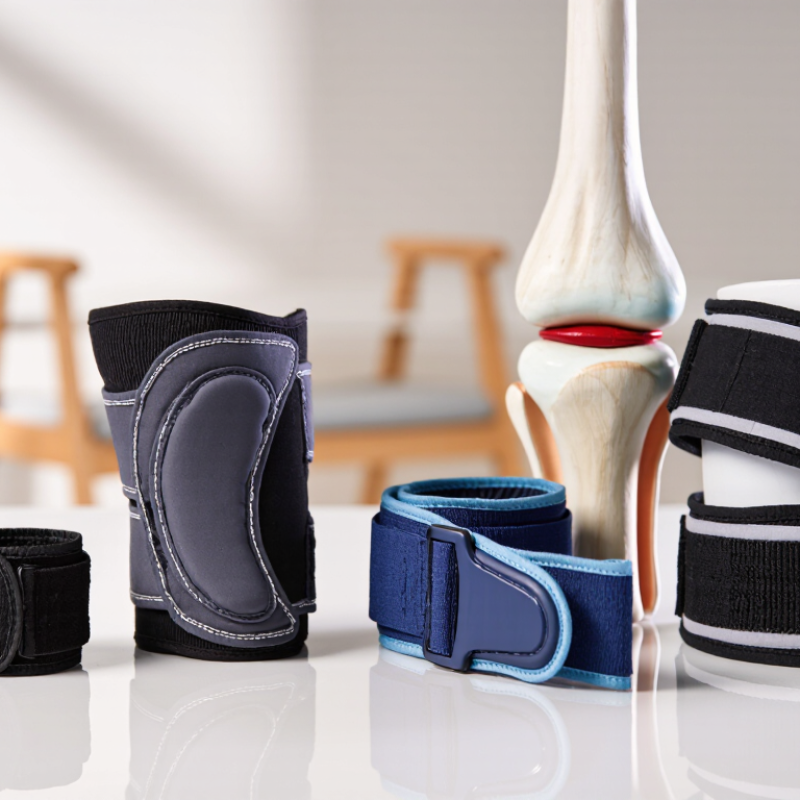
Common designs include a narrow infrapatellar band worn below the kneecap, a knee sleeve with an integrated strap, and adjustable wraparound models. Some products use two bands, placed above and below the kneecap. Each style feels different. A slim band may fit under a sports uniform, while a sleeve can cover more of the knee. Wraparound straps can be easier to adjust between activities. Labels can be confusing, though, and product names do not always describe the same construction.
A secure fit should feel supportive without causing numbness, skin irritation, or pressure that worsens discomfort. Check whether the strap stays in place during walking, bending, or light exercise. Small details matter: the closure, material, and position of the band can change how it feels after an hour of wear. There is no single design that suits everyone. Evidence and individual response can vary, so a strap should not be treated as a diagnosis or a guaranteed fix. If pain is persistent, severe, or follows an injury, seek advice from a qualified health professional. This guide compares the main types of Patella Strap and explains what to consider before choosing one.
What a Patella Strap Is and How It Supports the Knee
A patella strap is a narrow band worn just below the kneecap, over the patellar tendon. Unlike a full knee brace, it does not surround or stabilize the whole joint. Its gentle pressure may change how force travels through the tendon during running, jumping, or stair climbing. Think of a small cushion beneath the kneecap, not a mechanical fix. A systematic review in Scandinavian Journal of Medicine & Science in Sports reported patellar tendinopathy in about 14% of volleyball players, showing why this area gets attention in jumping sports (van der Worp et al., 2011). That figure describes a group, not your personal risk.
A strap may help some people feel less discomfort during activity, but results vary. It should sit snugly beneath the kneecap, without numbness, tingling, or skin changes. Too tight is not better. Evidence for straps is limited, and they do not replace gradual strength training or assessment by a qualified clinician when pain persists. In practice, a strap that slips with each landing is unlikely to be useful. The fit can also feel odd at first; that is worth noticing, rather than ignoring.
Tips: Try it during a short, familiar activity first. Compare comfort with and without it, and stop if symptoms worsen. A strap is support, not a diagnosis.
Top Types of Patella Straps
How to read this chart: A single-strap design has one band, usually worn just below the kneecap. A dual-strap design has two bands, typically positioned above and below the kneecap. Both designs apply support around the patella; this comparison shows construction, not clinical effectiveness.
Features That Distinguish Different Patella Strap Designs
What Are the Top Types of Patella Straps?
Features That Distinguish Different Patella Strap Designs
Patella straps vary in how they support the area below the kneecap. A single-strap design uses a narrow band and a small pressure pad. It is lightweight and easy to adjust under clothing. A dual-strap model has bands above and below the kneecap, which can help it stay in place during movement. Some sleeves combine a strap with broader fabric coverage. They may feel more secure, but can also feel warmer. The best design depends on comfort, activity, and fit—not just appearance.
Tips: Position the pad just below the kneecap, not directly over it. Tighten the strap until it feels snug, never restrictive. Walk a few steps and bend your knee. Fit matters. If you notice numbness, tingling, or increased pain, loosen or remove it.
Check that the strap does not slide when you squat or climb stairs. Soft, adjustable closures can make small fit changes easier during the day. Still, a strap is not a fix for every cause of knee pain. I might assume a tighter fit means better support, but that is not always true. Persistent or worsening symptoms are worth discussing with a qualified health professional.
The Main Types of Patella Straps and Their Uses
What Are the Top Types of Patella Straps?
The Main Types of Patella Straps and Their Uses
A single infrapatellar strap sits just below the kneecap, pressing gently against the patellar tendon. Runners and jumpers often try it for tendon-related discomfort during activity.
A 2011 systematic review in Scandinavian Journal of Medicine & Science in Sports reported patellar tendinopathy in about 14.2% of athletes. That figure describes prevalence, not proof that straps treat the condition. A strap may change comfort, but it cannot identify the cause of pain.
A patella-support sleeve covers more of the knee and may include a padded ring around the kneecap. It can offer warmth and light compression during walking or training. A stabilizing brace, sometimes with side supports, provides more structure for people who feel their kneecap needs guidance.
These designs are not interchangeable. And more support is not always better. Research on strap benefits remains limited, so comfort and clinical advice matter.
Tips: Place a tendon strap below the kneecap, not directly over it. It should feel snug, never numb or painfully tight. Test it during a short walk first. If pain worsens, swelling appears, or the knee gives way, stop and seek professional assessment. Fit is personal; even a well-chosen strap may not suit every activity.
How Patella Strap Types Differ in Fit and Support
A patella strap’s shape changes where pressure lands and how freely the knee moves. A narrow infrapatellar band sits just below the kneecap, pressing the patellar tendon during activity. It feels light under running shorts, but may shift if fitted loosely. A wraparound strap offers adjustable tension and suits people who need small fit changes during the day. It can also feel bulky behind the knee.
A patellar-stabilizing brace uses a larger opening or side supports to guide kneecap movement. It generally covers more skin and restricts more motion than a simple tendon band. In a 2011 biomechanical analysis, Lavagnino and colleagues estimated that an infrapatellar strap reduced peak patellar tendon strain by about 19%.
That finding describes mechanical effects, not guaranteed pain relief.
Fit still matters. The strap should feel secure, not tight enough to cause tingling, numbness, or skin discoloration. A useful check: walk, bend, then climb a few steps. If it slips or pinches, adjust it. The evidence is imperfect, too; one strap style cannot suit every knee or activity.
Factors to Consider When Choosing a Patella Strap
Choosing a patella strap starts with where it sits and what you need it to do. A simple infrapatellar band rests just below the kneecap and applies focused pressure. Adjustable wraparound designs can offer a more customizable fit, while some sleeves combine a strap with broader knee coverage. More coverage is not always better. A bulky brace may feel warm or restrictive during a long walk.
Fit matters more than appearance. The strap should stay in place when you bend your knee, without pinching the skin or causing numbness. Check the sizing guide, and adjust it while standing and sitting. Too loose, and it may slide down; too tight, and it can leave deep marks. Small differences matter. Consider your activity, too: a slim strap may suit a short run, while a wider design may feel steadier during repeated bending. Materials that dry quickly can help if you sweat.
Comfort is personal, and no strap works for everyone. Try it during a short, easy activity before relying on it for a full workout. I’d avoid treating reduced discomfort as proof that an injury has healed; that assumption is easy to make. Stop using the strap if pain worsens, and seek advice from a qualified health professional for persistent or significant symptoms.