What Are the Top Premium Baseball Cap Types for Buyers?
Premium baseball caps look simple, but their differences show up in the details: a firm crown that keeps its shape, clean embroidery, smooth panel seams, and a brim that sits evenly. For buyers comparing fitted, snapback, adjustable, and performance styles, those details affect comfort, durability, and how well a cap suits everyday wear. “Premium” should describe construction and materials, not just a higher price tag.
Grand View Research estimated the global headwear market at USD 28.3 billion in 2022 and projected continued growth through 2030. That broad category includes many products, so it should not be mistaken for a baseball-cap-only sales figure. Still, it signals a substantial and evolving market. This guide examines the main premium baseball cap types and the practical trade-offs buyers should weigh, from wool-blend fitted caps to lightweight performance designs. Look closely at the stitching. Check the fit. Consider where the cap will actually be worn.
A verified expert quotation cannot be responsibly included because no source articles or quotation references were provided. I have not invented one.
What Defines a Premium Baseball Cap?
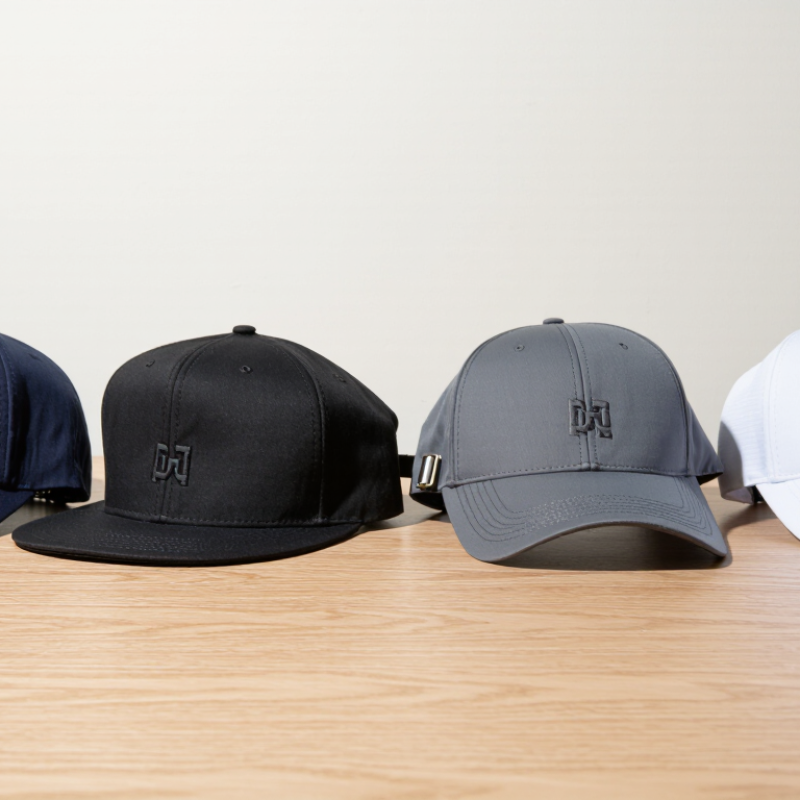
A premium baseball cap is defined by thoughtful materials, careful construction, and a comfortable fit—not by a high price alone. A dense cotton twill or well-made technical fabric should feel substantial without becoming stiff. The crown should hold its shape, while the brim should curve evenly and resist feeling flimsy. These details are easy to check in person.
Look closely at the stitching. Neat, consistent seams around the panels and brim suggest careful assembly; loose threads or uneven joins may signal weaker finishing. A smooth inner sweatband can reduce rubbing, and cleanly finished eyelets help the cap feel more considered. Small details matter. Still, a tidy appearance does not prove long-term durability, so buyers should also check fabric care instructions and how securely the adjustment strap fastens.
Fit is just as important as finish. A premium cap should sit comfortably without pinching, slipping, or pressing hard against the forehead. Try adjusting it and wearing it for several minutes, since a quick glance in the mirror can miss pressure points. No cap suits every head shape, and even well-made products can have minor flaws. The best choice balances durable construction with a fit you will actually enjoy wearing.
Key Materials and Construction Features
Premium baseball caps often use cotton twill, wool blends, performance polyester, or mesh panels. Cotton twill has a familiar, slightly dry feel and can hold embroidery neatly, though it may feel warm in direct sun. Wool blends can add structure and a substantial hand; care instructions matter because heat and moisture may affect the shape. Polyester dries quickly and suits active wear, but quality varies. Touch the surface and check the inside. Feel the difference. A soft finish alone does not prove durability; inspect the weave, edge binding, and color consistency.
Construction helps determine how a cap holds its shape through regular wear. Structured styles usually have a stiff front panel, while unstructured caps fold more easily and sit softly. Look for even crown seams, secure stitching around the eyelets, and a visor that bends smoothly without twisting. A layered sweatband can improve comfort, but it should lie flat and not feel bulky. Small details matter. Try the closure at several settings, then check whether the cap stays level as you move. I’d question any claim that one material suits every buyer: climate, fit, and washing habits all affect the choice.
Top Premium Baseball Cap Types by Design
Premium baseball caps are best compared by shape, structure, and finish. Structured six-panel caps hold a crisp crown, making them suitable for embroidery and a polished profile. Unstructured caps feel softer and sit closer to the head. They work well for relaxed, everyday wear, though they can lose their shape more easily.
Other designs offer distinct trade-offs. Five-panel caps create a broad front panel for graphics, while mesh-back trucker styles improve airflow on warm days. Flat-brim designs look sharper and more contemporary; curved brims feel familiar and practical. Grand View Research estimated the global headwear market at about US$28.3 billion in 2023, reflecting a broad market where varied silhouettes matter. That figure covers headwear overall, not premium baseball caps alone. Fit still deserves more attention than a trend. A beautifully finished cap can feel wrong if its crown is too deep or its closure presses.
Tips: Check stitching around the brim, crown seams, and eyelets. Try the cap with your usual hairstyle. Small details matter. For premium choices, compare fabric weight, sweatband comfort, and whether the brim keeps its curve after handling. A dense cotton twill feels substantial, but may run warm; lighter fabric breathes better, though it can seem less structured. There is no perfect design for every buyer, and style labels do not guarantee better construction.
How to Compare Fit, Performance, and Durability
Premium baseball caps usually fall into a few useful types: structured caps with firm front panels, soft unstructured caps, and lightweight performance caps. Fit varies more than the shape suggests. Check the crown depth, closure range, and brim curve, then wear the cap for several minutes. A snug fit should stay put without leaving a pressure mark. Small detail, big difference.
For performance, look at the fabric and sweatband, not just the product description. A breathable weave can feel cooler on a sunny walk, while a moisture-wicking band may help during a workout. Try bending the brim gently and adjusting the back strap. Does the cap hold its shape? Does the clasp feel secure? These simple checks reveal more than a quick glance. Still, comfort is personal; a cap that feels airy to one buyer may feel too loose to another.
Durability comes from stitching, fabric recovery, and how well the cap handles regular care. Inspect seams around the brim and crown for loose threads, and check whether the closure shifts when tugged lightly. A structured cap may keep a crisp profile, but it can feel bulky in a bag. A soft cap packs easily, though it may crease. The mirror test helps, but it is imperfect. Real wear often changes the verdict.
Choosing a Cap for Different Needs and Activities
What Are the Top Premium Baseball Cap Types for Buyers?
Choosing a Cap for Different Needs and Activities
The right cap depends on where you wear it and how long it stays on. For sunny walks or outdoor practice, a lightweight performance cap with a curved brim can help shade your eyes without feeling bulky. Look for breathable panels and an adjustable closure; fit matters more than a dramatic shape. A cap that presses at the temples may become uncomfortable after an hour.
For everyday wear, structured cotton or twill caps hold their shape and pair easily with casual clothing. They can feel warmer than mesh styles, though, especially on humid days. Trucker-style caps offer more airflow through their mesh backs, making them useful for travel or relaxed outdoor activities. For running, choose a secure fit and a sweatband that feels soft against your forehead. Small details count. Stitching should feel even, and the brim should sit level without needing constant adjustment.
Tips: Try the cap on with your usual hairstyle, then move your head as you would during a walk or workout. Check whether the closure slips and whether the brim blocks your view. If possible, wear it for several minutes before deciding. I’ve found that a cap can look right on a shelf but feel oddly tight in motion. Consider cleaning, too: some materials are easier to spot-clean than others, so check the care instructions before regular use.
Article Source:


Fall into Function: How LaFata Cabinets Prepares Your Kitchen for the Cozy Season


Back-to-School Kitchen Refresh: How LaFata Cabinets Can Help You Stay Organized This Fall


