
What Are the Different Types of Cabinet Finishes?
Cabinet Finishes do more than set a kitchen’s color. They affect how cabinets feel, how easily spills wipe away, and how well surfaces handle daily wear. A painted door may look crisp and uniform. A stained oak panel keeps its grain visible, while a glazed finish can settle into carved details. Small differences matter.
Finishing expert Bob Flexner, author of Understanding Wood Finishing, emphasizes a useful principle: a finish should protect a surface while supporting its intended appearance. That balance guides this overview of common cabinet finishes, including paint, stain, glaze, varnish, lacquer, and oil-based options. Each brings different strengths, costs, and care needs. No finish wins every room.
Lighting can fool you. A sample that looks warm beside a showroom window may appear cooler under evening LEDs. Wood species, surface preparation, and application also change the final result. Even experienced professionals can misjudge a color from a small swatch. This guide explains what each finish does, where it tends to work well, and what to consider before choosing one. It also flags practical trade-offs, such as visible wear on dark paint or the upkeep some natural-looking finishes may require. Perfection is not always realistic; informed expectations help.
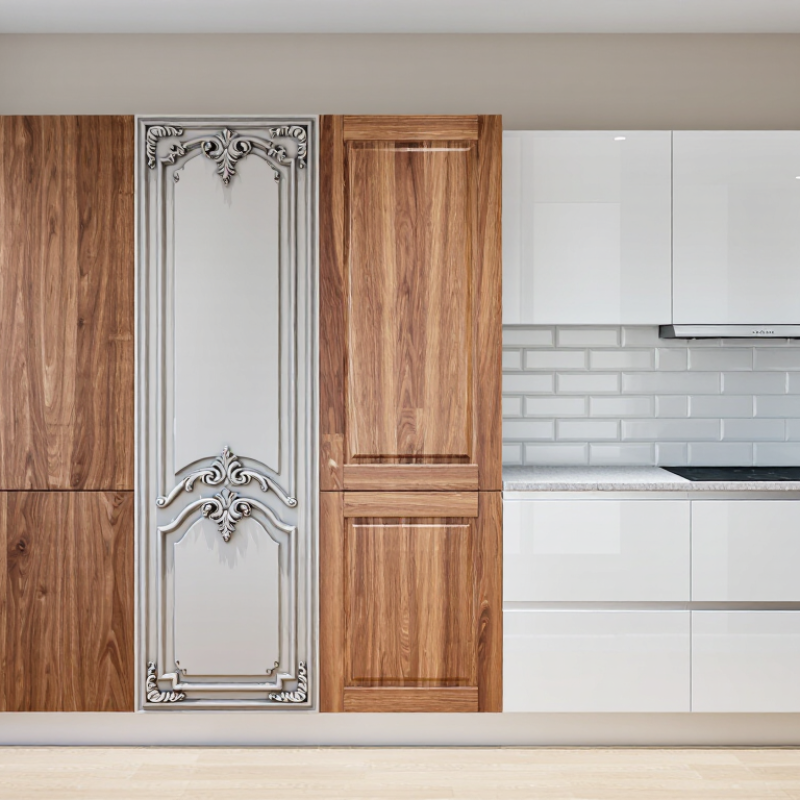
What Cabinet Finishes Are and What They Do
A cabinet finish is the visible surface layer applied to a cabinet door, frame, or drawer front. It affects color, sheen, texture, and how the surface handles daily use. Depending on the cabinet material and finish system, that layer may be paint, stain, a clear coat, or a factory-applied film. It is not just decoration. A properly prepared and applied finish can help limit routine scuffs, stains, and moisture exposure, though it cannot make a cabinet waterproof or damage-proof.
Small details matter. A finish’s performance depends on the substrate, preparation, application, and curing—not just its name. For example, a smooth painted door may wipe clean easily, while a stained finish lets more of the wood grain show. Glossy surfaces can make fingerprints and fine scratches more noticeable; matte surfaces may hide some marks but can be harder to clean thoroughly. Results vary, so a small sample viewed in the room’s actual light is more useful than a screen image. No finish is perfect. Even a durable surface can wear around handles or near a sink, and cleaning habits matter. Check the care instructions before using strong cleaners or abrasive pads.
How Cabinet Finish Types Are Classified
Cabinet finishes are best classified by what they do, not just by color. The first group is defined by the surface system: paint forms an opaque layer, while stain colors visible wood grain beneath a protective clear coat. Clear finishes preserve the wood’s appearance; laminate and thermofoil are applied surface coverings rather than liquid coatings. These distinctions matter when comparing scratches, edge wear, and repair options.
A second classification describes application and appearance. Sprayed and brushed finishes refer to how material is applied; matte, satin, and gloss describe reflected light. The categories overlap. A painted door can be sprayed and satin, for example. KCMA’s A161.1 cabinet performance standard evaluates finish resistance through 24-hour exposure to household agents, a useful reminder that appearance alone does not prove durability. Still, a test result cannot predict every kitchen: steam beside a kettle and repeated wiping near a handle create different wear patterns. I would compare the finish system, sheen, and test evidence together, rather than treating “painted” or “wood-look” as a complete specification.
| Finish type | How it is classified | Appearance | Typical substrate or application | Care and practical considerations |
|---|---|---|---|---|
| Paint | Opaque, film-forming finish | Creates a solid color; available in matte, satin, and glossier sheens. | Commonly applied to wood or properly prepared engineered wood, including medium-density fiberboard (MDF). | Conceals the underlying grain. Clean with a soft cloth and gentle cleaner; chips and scratches may require touch-up. |
| Stain with a protective topcoat | Coloring treatment followed by a clear protective coating | Changes or enriches the wood color while allowing the grain to remain visible. | Used mainly on wood and wood veneer. Stain alone generally does not provide the same protection as a sealed finish. | Color varies with the wood species and its grain. The clear topcoat provides the main surface protection. |
| Clear coat | Transparent, film-forming protective finish | Preserves the visible wood color and grain; sheen ranges from matte to glossy. | Applied over wood, veneer, or a stained surface. Coating chemistry varies by product and manufacturing process. | Provides a protective surface, but resistance to heat, moisture, and household chemicals depends on the coating and care. |
| Glaze | Decorative color layer, usually sealed with a topcoat | Adds contrasting color or visual depth, often emphasizing recesses, profiles, or edges. | Typically applied over a painted or stained base finish. | Glaze is generally a decorative treatment rather than a stand-alone protective finish; the topcoat helps protect the surface. |
| High-pressure laminate (HPL) | Factory-made sheet surfacing bonded to a cabinet panel | Available in solid colors, patterns, and surfaces designed to resemble materials such as wood or stone. | Adhered to a suitable panel substrate; often used on cabinet doors, drawer fronts, and exposed panels. | Nonporous surface options are straightforward to wipe clean. Protect edges and seams from prolonged water exposure. |
| Thermally fused laminate (TFL) | Decorative paper layer fused to a panel under heat and pressure | Provides a consistent color or printed pattern, including wood-look designs. | Typically fused to particleboard or MDF to form a finished panel. | Offers a ready-to-use surface with no field-applied paint required. Avoid damaging or soaking panel edges and seams. |
| Thermofoil | Heat-formed plastic film covering a cabinet panel | Usually presents a smooth, uniform surface; some products have a molded profile or printed pattern. | Commonly formed over MDF cabinet doors and drawer fronts. | Clean with a soft cloth and nonabrasive cleaner. Excessive heat can affect the film or its bond, so follow the cabinet maker’s care instructions. |
| Wood veneer with a clear finish | Thin layer of real wood applied to a stable panel, then typically sealed | Shows natural wood grain while using less solid wood than a solid-wood panel. | Applied to an engineered panel such as MDF or particleboard; commonly used on doors and cabinet sides. | Appearance varies with the veneer cut and wood species. Use gentle cleaning and avoid standing water or abrasive scrubbing. |
Painted and Stained Cabinet Finishes
Painted cabinet finishes create a smooth, even color across doors and drawer fronts. They can brighten a dim kitchen or give older cabinets a cleaner look. The underlying wood matters, though. Paint hides much of the grain, but joints, corners, and raised panels still show how the cabinets are built. A good result depends on careful sanding, primer, and thin, even coats. Paint can chip around handles or sink doors, especially when moisture lingers. Wipe spills promptly. Small detail, big difference. Sheen also affects upkeep: satin often disguises minor marks better than a high-gloss surface, while gloss reflects more light and shows flaws more clearly. Paint is not a shortcut around surface preparation.
Stained finishes let the wood grain remain visible, so the species and cut influence the final color. A stain may look warmer on one door and cooler on another. Test it on a hidden area or a spare piece of the same wood before committing. Stain usually offers less color uniformity than paint, and it cannot conceal mismatched grain. That variation can feel natural, but it may disappoint someone expecting every panel to match. Clear protective coatings help resist everyday wear, yet they do not make wood waterproof. Check cabinet edges near a dishwasher or sink from time to time. The finish may need attention sooner there. I’d be cautious about choosing from a tiny sample; full-size doors can look unexpectedly different.
Clear-Coat, Laminate, and Thermofoil Finishes
Clear-coat finishes let the cabinet’s wood grain remain visible beneath a protective layer. The surface may look warm and natural, but its appearance depends on the wood and coating. Some clear coats can amber with age or sunlight. A small sample helps, though it may not show how a whole kitchen will look.
Laminate covers a cabinet surface with a manufactured layer, often over a core material. It offers consistent color and pattern, and a damp cloth usually handles everyday splashes. Seams and exposed edges deserve attention; water can cause trouble if it gets underneath. Scratches may also be difficult to disguise. That matters.
Thermofoil is a vinyl film heated and pressed over a cabinet door, commonly one with a smooth engineered-wood core. It creates a seamless-looking face that is easy to wipe clean. However, repeated heat near an oven or kettle may weaken the adhesive and lift the film. Edges tell the story. Check them closely when comparing samples, and consider where heat and moisture collect in your kitchen. A finish can look perfect under showroom lights and feel less convincing beside a busy sink. That is worth admitting.
How to Compare Cabinet Finishes by Durability and Care
Cabinet finishes differ in how they handle impact, moisture, and daily cleaning. Painted wood creates a smooth, opaque surface, but chips can expose the material beneath at corners. Stain keeps the grain visible and can disguise small scuffs; its protection depends on the clear topcoat. Laminate and foil surfaces handle routine spills well, though peeling edges or heat damage can be difficult to repair.
Compare finishes in the places cabinets work hardest: beside the sink and near the cooktop. Ask what protective coating covers the color and whether damage can be touched up locally. Glossy surfaces often wipe clean easily, but fingerprints and scratches can stand out in angled light. Matte finishes reduce glare, yet may hold oily marks. Cleaning habits matter as much as appearance. Small details count.
Tips: Wipe spills promptly with a soft, damp cloth, then dry seams and edges. Avoid abrasive pads and harsh cleaners unless the care instructions allow them. Test a cleaner on a hidden spot first. It may take a little effort, but that check can prevent a dull patch.
Related Posts
-
Top Strategies for Sourcing Bathroom Vanity Solutions Worldwide
-
Why Choose Custom Cabinets for Your Project?
-
How to Choose the Best Cabinet Door Styles for Your Kitchen?
-
Unmatched Quality of Best Kitchen Cabinet Styles from Trusted Chinese Manufacturers
-
How to Choose the Best Kitchen Cabinets for Your Home?
-
How to Choose White Kitchen Cabinets for a Modern Look?


Fall into Function: How LaFata Cabinets Prepares Your Kitchen for the Cozy Season


Back-to-School Kitchen Refresh: How LaFata Cabinets Can Help You Stay Organized This Fall


