
top of page

Why Choose Lead Stained Glass Windows for Your Project?

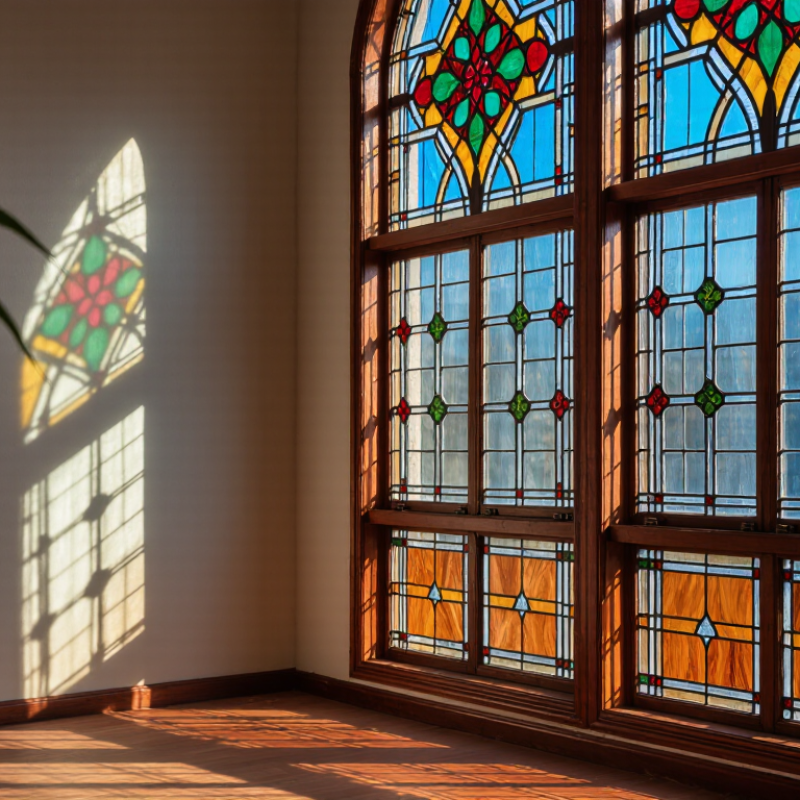
Lead Stained Glass Windows bring color, pattern, and filtered daylight into a space. Their appeal is easy to see: sunlight can shift a clear blue panel into a warmer shade by afternoon. The lead cames hold individual pieces of glass together, creating lines that can shape a geometric design, a floral motif, or a custom image. This combination of craft and practical function makes stained glass worth considering for doors, interior partitions, and selected windows.

The right choice depends on more than appearance. Think about the room’s natural light, privacy needs, existing frame, and the amount of detail the design can support. A busy pattern may feel striking in a small panel, but overwhelming across a large window. That distinction matters. Before installation, a qualified glazier or stained-glass specialist can assess dimensions, support, and the condition of the surrounding frame. Ask how the panel will be fitted and maintained, too. Dust gathers in corners, and older leadwork may need careful inspection over time.

There are trade-offs. Colored glass can soften a view and reduce some incoming light, while a bespoke panel may require additional planning and cost. Beauty alone is not enough. A successful project balances craftsmanship with the building’s needs and the owner’s daily use. With clear expectations and suitable professional advice, Lead Stained Glass Windows can become a thoughtful feature rather than an afterthought.

Why Choose Lead Stained Glass Windows for Your Project?

What Defines a Lead-Stained Glass Window?

Why Choose Lead Stained Glass Windows for Your Project?

What Defines a Lead-Stained Glass Window?

A lead-stained glass window is made from separate pieces of colored glass held together by narrow strips of lead, called came. Each strip has a channel that grips the glass edge. At the joints, the lead is soldered to create a connected panel. “Stained” describes the colored glass, though some designs also use fired paint for fine lines or facial details. The glass itself may be smooth, textured, or unevenly colored.

Look closely.

The lead network gives the panel both its structure and its distinctive dark outlines. Glass color changes as daylight moves across the surface, so a sample viewed indoors may look different when installed. Panel size, glass thickness, and support all matter, especially in larger windows. Older or damaged panels should be assessed by a qualified craftsperson before repair. Even careful work can leave a slight mismatch in color or texture; it is worth discussing expectations beforehand.

Tips: Ask how the panel will be supported and protected from weather. Request a drawing that shows glass colors and lead lines. A small sample helps, but it cannot fully predict changing daylight.

How Leaded Glass Windows Are Designed and Made

Why Choose Lead Stained Glass Windows for Your Project?

Designing a leaded glass window begins with its setting: the opening’s measurements, available daylight, viewing distance, and the building’s architectural character. A designer turns these details into a full-size pattern, dividing the image into pieces that can be supported by lead came. Glass is then selected for color, texture, and transparency. A blue piece may look quiet on a workbench but glow beside a sunlit wall. The U.S. Department of Energy’s 2011 Buildings Energy Data Book estimated that lighting used about 17% of commercial-building electricity. This is useful context for considering daylight, not evidence that stained glass itself saves energy.

During fabrication, artisans cut each piece to match the pattern, fit the pieces into lead channels, and solder the joints. They cement the panel to help stabilize and weather-seal it, then inspect the lines, joints, and fit before installation. The National Park Service’s Preservation Brief 33 recommends documenting and carefully assessing historic leaded-glass panels before repair. That caution matters: a visually small crack can affect neighboring pieces, and old panels may need specialist assessment rather than a quick replacement. Handmade work also has limits. Color and texture can vary slightly between pieces.

Tips: Bring opening dimensions and clear photos to the designer. Ask how the panel will be supported, protected from weather, and maintained. Request a full-size pattern before cutting begins. A little extra review helps.

What Benefits Do They Offer for a Project?

Lead stained glass windows can bring color, privacy, and visual character to a project without blocking all daylight. Their narrow lead lines join individual pieces of glass, creating patterns that can suit a quiet entryway or a bright kitchen. Textured or softly colored panes scatter sunlight across floors and walls. The effect changes throughout the day. That shifting light is part of the appeal, though it can be harder to predict than a sample suggests.

Tips: View glass samples in the room at different times of day. Check how much privacy the pattern provides from outside. For larger installations, ask a qualified glazier to assess the frame, support, and suitable glass thickness before fabrication.

These windows also allow patterns and colors to be tailored to a room’s proportions and existing details. A modest panel can add interest without making a small space feel crowded. Still, stained glass does not automatically improve insulation or sound control; those depend on the full window assembly. Lead lines and glass may need periodic inspection, especially in older windows. A beautiful design deserves careful fitting, and honestly, intricate patterns can feel busy if the surrounding room already has strong colors or decoration.

Where Can Lead-Stained Glass Windows Be Used?

Lead-stained glass windows suit places where light, privacy, and visual character need to work together. In churches, they can filter daylight across pews and stone floors. In homes, smaller panels often fit entry doors, stair landings, bathrooms, or kitchen cabinets. A textured panel beside a front door softens incoming light while obscuring a direct view indoors.

Light matters. For offices, restaurants, and hotels, decorative glazing can distinguish a meeting room or entrance without making the space feel closed off.

The U.S. Energy Information Administration’s 2018 Commercial Buildings Energy Consumption Survey reports that lighting accounts for about 17% of commercial-building electricity use. That figure supports careful daylight planning, but it does not mean stained glass automatically lowers energy use; orientation, shading, and electric lighting still matter.

Not everywhere. In a dim hallway, a colored panel may deepen the gloom rather than brighten it.

A practical design review should check sunlight at different times, panel dimensions, privacy needs, and the frame’s ability to support the glass. Lead came also needs periodic inspection, especially in older windows. A small sample panel can reveal an unexpected color shift before the full installation.

What Should You Consider Before Choosing One?

Before choosing a lead stained glass window, check the opening carefully. Measure its width and height at several points; older frames are rarely perfectly square. A drawing or clear photograph can help a specialist assess the fit. Also consider the window’s weight, the surrounding frame, and how the glass will be supported. A beautiful panel can still be a poor choice if its structure is not suited to the opening.

Measure twice.

Think about light, privacy, and upkeep in the room where it will be installed. Clear textures may brighten a hallway, while denser patterns can soften views in a bathroom or street-facing room. Ask how the panel will be protected from drafts, impact, and weather, especially if it sits in an exterior wall. Confirm what cleaning methods are appropriate; harsh products or pressure on the joints may cause damage. Materials and workmanship matter, but so does access for future repairs. I would not choose a design from a small screen image alone. Colors can look quite different in daylight, and that detail is easy to miss. Request a full-scale pattern or sample when possible, then review it in the actual space.

S O C I A L 

  • Facebook
  • Instagram
  • Pinterest

©2022 by LaFata Cabinets. Proudly created with Wix.com

bottom of page