
top of page

Why Is Jelly Candy Popular with Global Buyers?

Jelly Candy has moved beyond a simple sweet. Its bright colors, chewy texture, and compact packaging make it easy to notice on a crowded shelf or share on the go. For global buyers, these practical details matter alongside flavor. A familiar fruit taste can feel approachable, while sour coatings, layered shapes, or regional flavors offer something new. Small differences can change a product’s appeal.

Industry figures provide useful context, but they need careful interpretation. The National Confectioners Association’s 2024 State of Treating report valued U.S. confectionery retail sales at $54.2 billion in 2023. That figure covers a broad category, not jelly candy alone. It signals a substantial market for treats, rather than proving demand for every gummy format. That distinction matters. Buyers still need to assess local taste preferences, ingredient expectations, packaging, and repeat-purchase potential.

Jelly candy also offers clear product-development choices: soft or firm textures, individual pieces or share bags, and familiar or adventurous flavors. A transparent window can show the colors; a resealable pouch can help keep the remaining pieces fresh. Yet eye-catching design is not enough. Texture can vary between batches, and sweetness that works in one market may feel excessive in another. Careful sampling and dependable quality checks help buyers judge the product beyond its packaging. The appeal is real, but not automatic. Buyers who pair consumer insight with reliable product evaluation are better placed to understand why Jelly Candy attracts attention across markets.
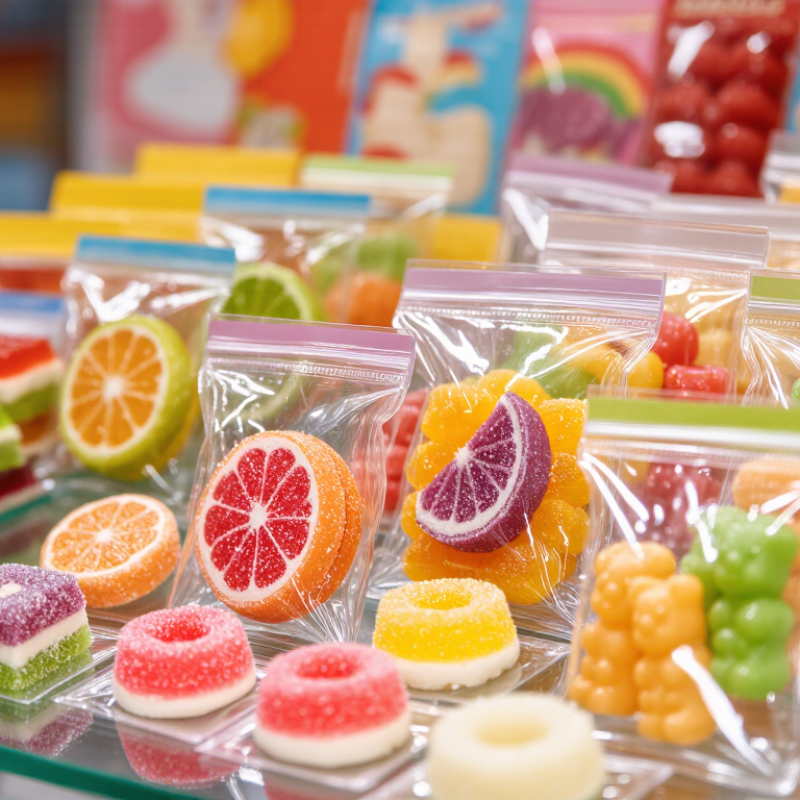
Why Is Jelly Candy Popular with Global Buyers?

What Jelly Candy Is and How It Is Made

Jelly candy is a soft, often chewy confection made by setting a sweetened liquid with a gelling ingredient. Depending on the recipe, that ingredient may be gelatin, pectin, or starch. Each creates a different bite: gelatin can feel elastic, while pectin often gives a firmer texture. Sugar and flavorings add sweetness and aroma; acids may sharpen fruit notes and affect how the gel sets. The name covers many shapes and textures, not one fixed formula. That matters.

Production starts by measuring ingredients and dissolving them in heated water or syrup. The mixture is stirred until smooth, then cooked so excess moisture evaporates and the texture can develop. Makers pour or deposit the hot blend into molds, where it cools and sets. Some pieces are dried further, then lightly coated to reduce sticking. Small changes in cooking time, acidity, or moisture can alter the final chew. Texture varies. Quality checks commonly examine weight, shape, color, and consistency across samples. Even careful batches may feel different after storage, especially when temperature or humidity changes. A glossy surface does not guarantee the same softness inside.

Key Ingredients, Textures, and Product Variations

Jelly candy attracts global buyers because it combines bright flavors with a soft, easy-to-share bite. Its texture begins with the gelling ingredient. Gelatin can create a springy chew, while pectin often gives fruit-style candies a cleaner, softer break. Starch-based recipes may feel denser. Sugar and glucose syrup add sweetness and body, while food acids can sharpen fruit notes. Small details matter.

Texture shapes the whole experience. A dusting of sugar feels dry and crisp before the chewy center; a smooth coating gives a gentler first bite. Product variations include fruit shapes, filled pieces, sour coatings, and layered colors. Buyers often compare sweetness, firmness, piece size, and whether the candy sticks together in warm conditions. These traits can vary by recipe and packaging, so a sample is more useful than a product photo. I would not assume that a vivid color means a stronger flavor.

Tips: Check the ingredient list, allergen information, and storage guidance. Test a small sample for chew, flavor, and stickiness before choosing a larger order.

How Flavor and Chewiness Shape Consumer Appeal

Why Is Jelly Candy Popular with Global Buyers?

How Flavor and Chewiness Shape Consumer Appeal

Jelly candy’s appeal often begins with a clear sensory contrast: bright fruit notes meet a springy, slowly yielding bite. The flavor arrives quickly, while the chew keeps the experience going. In the International Food Information Council’s 2024 Food & Health Survey, 85% of U.S. respondents named taste as a factor in food and beverage purchases. That finding is not global evidence, but it shows why flavor remains commercially important. For buyers, familiar profiles such as citrus or berry can feel dependable; a sharper sour coating can add a noticeable first impression.

Texture matters. A piece that is too firm may feel tiring, while one that softens too quickly can lose its appeal. The National Confectioners Association’s 2024 State of Treating reported that 98% of Americans enjoy chocolate and candy. The figure covers a broad category, not jelly candy alone, so it should not be treated as proof of a specific texture preference. Still, it reflects the wide place confectionery holds in everyday treats.

In product development, flavor and chewiness need to work together. A tart center may seem lively in a soft piece, yet harsh in a dense one. Small differences matter: the first bite, the time the flavor lingers, and whether the candy sticks to teeth. Preferences also vary by age and market. A familiar fruit flavor may reassure some buyers, while others seek unusual combinations. Getting that balance right is less tidy than a trend chart suggests.

Packaging and Formats for Different Markets

Jelly candy travels well, but its packaging must match the way people shop and share it. Small pillow packs suit checkout displays and lunch boxes; resealable stand-up pouches help families keep mixed shapes fresh between servings. In markets where gifting matters, clear jars or compact cartons can make colors and shapes part of the appeal. Small details matter. A pouch that is difficult to open, or a jar that takes too much shelf space, can undermine an otherwise attractive product.

Packaging format also affects production and distribution. The Flexible Packaging Association’s 2023 State of the Flexible Packaging Industry report estimates U.S. flexible-packaging sales reached $42.9 billion in 2022, representing about 21% of the U.S. packaging market. This broad industry figure does not measure jelly candy demand, but it shows the scale of established flexible-packaging supply. For candy makers, films can support lightweight bags and portion packs; cartons or rigid containers may better protect delicate shapes during transit.

Regional preferences still require care. A large family pouch may work for value-focused retail, while smaller packs can suit convenience stores or sampling. Moisture protection, seal strength, and legible ingredient information matter across formats. Yet the right balance is not always obvious: extra layers may improve protection but add material. Testing packs through real shipping and shelf conditions is more reliable than choosing by appearance alone.

Why Is Jelly Candy Popular with Global Buyers? - Packaging and Formats for Different Markets

Buyer or Market Need Common Jelly Candy Format Packaging Option Why Buyers Consider It Market Adaptation
Everyday retail Assorted fruit-flavored gummies in a single variety or mixed selection Flexible pillow bag or stand-up pouch Lightweight packs are convenient to display, transport, and store. A resealable pouch can help consumers keep the remaining candy contained after opening. Set pack size, flavor mix, language, and required product information for the intended retailer and destination market.
On-the-go snacking Single-serve portions or small candy pieces Small sealed sachets or individually wrapped pieces in an outer bag Portion-sized formats are easy to carry and distribute. Individual wrapping can separate pieces and limit direct handling before consumption. Check the added packaging material and its disposal requirements, which may differ by country and local regulations.
Family sharing Large assortment packs or multiple small portions Family-size pouch, multipack, or carton containing inner packs Larger formats suit sharing and can offer several flavors in one purchase. Inner packs help divide the contents into portions. Use clear net-quantity information and make the flavor assortment easy to identify on the pack.
Gifting and seasonal sales Selected shapes, themed assortments, or premium-looking gummies Printed carton, gift box, or decorative pouch A presentation-focused pack can make the product suitable for gifting and seasonal displays while protecting the candy during handling. Adapt colors, graphics, languages, and seasonal themes to local consumer expectations and retail calendars.
Convenience and checkout sales Small packs of familiar flavors or mixed gummies Compact pouch or hanging bag with a display-ready header Compact formats fit checkout areas and smaller display fixtures; a visible product window can help shoppers see the candy inside. Confirm pack dimensions and hanging or shelf-display needs with the target retailer before production.
Online and export distribution Multi-pack assortments or sturdier packs designed for parcel handling Sealed pouch or inner packs placed in a protective shipping carton Secondary protection can help reduce crushing and package damage during storage and delivery. Clear product and quantity details support online listings. Verify that the primary pack, shipping case, labels, and required declarations meet the destination market’s rules.
Moisture and product protection Gummies with a texture and coating suited to the product recipe Well-sealed packaging made from a material selected for the product and distribution conditions Gummy texture can be affected by moisture and storage conditions. Appropriate packaging and sealing help protect product quality through distribution. Choose packaging based on product testing, shelf-life requirements, storage conditions, and compatibility with the candy formulation.
Local labeling and compliance Any flavor, shape, or pack format Printed pack or compliant label in the required format Accurate, readable information helps buyers and consumers identify the product, ingredients, allergens, and quantity. Check destination-market requirements for language, ingredient and allergen declarations, nutrition information, net quantity, and recycling or disposal marks.

Factors Driving Jelly Candy’s Global Popularity

Jelly candy appeals across markets because it combines sweetness with a distinct, playful chew. Buyers can recognize the product quickly, while flavors, shapes, and textures adapt easily to local tastes. A clear fruit aroma, glossy surface, and soft bite also make small packs feel like an easy treat. The National Confectioners Association’s 2024 State of Treating report found that 98% of Americans consume chocolate or candy. That figure is U.S.-specific, not proof of global jelly-candy demand, but it shows how familiar confectionery remains in a major market.

Format matters.

Jelly pieces are portable, portionable, and visually vivid in retail displays; they also suit sharing and seasonal gifting. Statista’s 2024 Confectionery market outlook estimated worldwide category revenue at roughly US$250 billion. This broad figure includes many confectionery types, not jelly candy alone, yet it signals a large market where distinctive textures can help products stand out.

Small details count. A candy that holds its shape in a warm shop or stays pleasantly chewy after opening may earn repeat purchases. That is not guaranteed: texture preferences differ, and overly firm or sticky pieces can disappoint. Lower-sugar recipes may broaden interest, but changing sweetness can also weaken the familiar fruit-candy experience. Buyers therefore weigh sensory appeal, shelf stability, and price together, rather than choosing on novelty alone.

Article Source:

S O C I A L 

  • Facebook
  • Instagram
  • Pinterest

©2022 by LaFata Cabinets. Proudly created with Wix.com

bottom of page