What is Wood Veneer and Why is it Important for Buyers?
Wood Veneer plays a crucial role in modern woodworking and design. Made from thin slices of wood, veneer enhances aesthetics while maximizing resource efficiency. According to the Wood Products Annual Market Report, the veneer market has grown by nearly 6% annually, reflecting its rising popularity among buyers.
Veneer allows designers to showcase beautiful wood grains without the high costs of solid lumber. This material also promotes sustainability by reducing waste. The Forest Stewardship Council reports that using veneer can decrease the demand for high-volume solid wood, supporting forest conservation efforts.
For buyers, understanding wood veneer is essential. It provides an opportunity to blend style and sustainability. However, not all veneers are created equal. Quality varies, and it's crucial to choose the right type. Buyers should consider the source, thickness, and application to ensure they make informed decisions. Embracing veneer can transform projects, but lack of knowledge may lead to costly mistakes.
What is Wood Veneer?
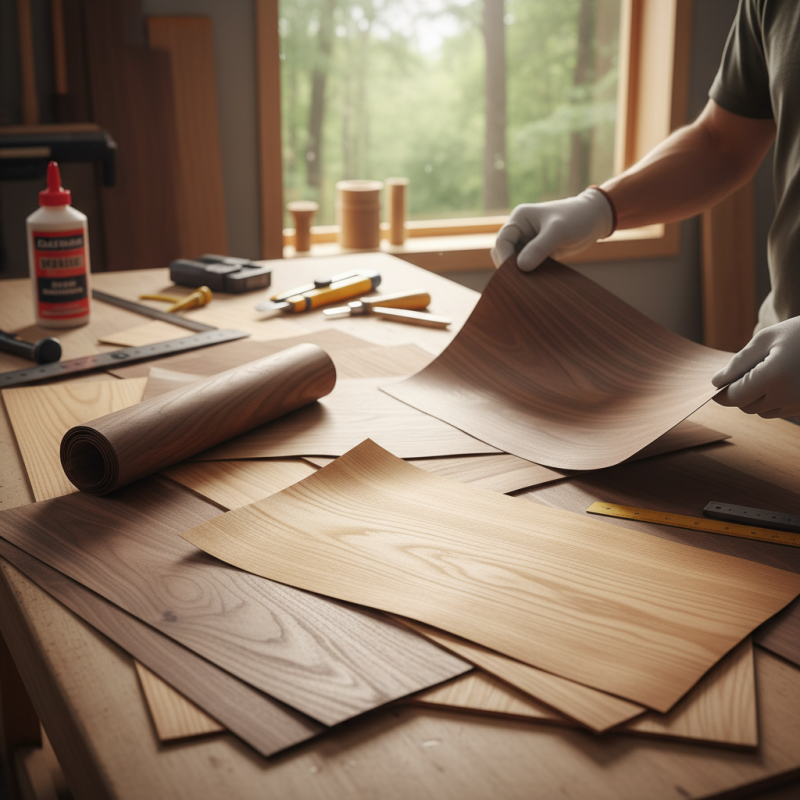
Wood veneer is a thin layer of wood, often less than 3mm thick. It is sliced from a log and can mimic the look of solid wood. This remarkable material captures the beauty of genuine wood while being more sustainable and cost-effective. With various species, finishes, and textures available, wood veneer offers endless design possibilities.
One of the essential aspects of wood veneer is its versatility. It can be applied to surfaces like furniture, cabinetry, and wall panels. The ability to create intricate designs is a considerable advantage. Yet, not all veneers are created equal. Buyers must consider quality. Some low-cost veneers may not last, peeling away over time.
Wood veneer installation can also be an area for reflection. Mistakes in application can lead to visible seams or mismatched patterns. Proper technique and attention to detail are vital. Understanding the material can greatly enhance a project. Thus, knowledge is crucial for anyone looking to utilize wood veneer in their designs.
The Composition and Types of Wood Veneer
Wood veneer is a thin layer of wood that is often used to cover furniture or interior surfaces. Understanding the composition and types of wood veneer is essential for buyers. The most common type includes natural wood veneers, made from real wood slices. These give a genuine appearance and maintain the charm of the original material. Typically, hardwoods like oak, maple, and walnut are preferred for their durability and aesthetic appeal.
Another popular type is reconstituted veneer. This is created from wood fibers that are dyed and glued together, then sliced into sheets. While it might lack the authentic look of natural wood, reconstituted veneer offers a consistent appearance and is often more eco-friendly. There are also backers used to support thin veneers. Backed veneers provide additional stability, making them easier to work with in various applications.
Buyers should weigh the pros and cons of each type. Natural wood can warp or crack, while reconstituted options may not have the same tactile feel. Each type has its place in design. Understanding these differences helps in making informed decisions, ensuring that the final choice meets both aesthetic and functional needs.
What is Wood Veneer and Why is it Important for Buyers?
| Type of Wood Veneer | Composition | Common Uses | Benefits |
| Natural Veneer | Thin slices of real wood from logs. | Furniture, cabinetry, wall panels. | Aesthetic appeal, sustainability. |
| Backed Veneer | Wood veneer attached to a backing for strength. | Curved surfaces, furniture design. | Improved durability, ease of application. |
| Reconstituted Veneer | Manufactured from wood fibers to mimic natural patterns. | Doors, panels, commercial interiors. | Cost-effective, consistent aesthetics. |
| Wood Laminates | Thin layers of wood bonded with adhesives. | Floors, countertops, surfaces. | Water-resistant, versatile, strong. |
The Manufacturing Process of Wood Veneer
The manufacturing process of wood veneer involves several key steps that highlight its importance. Initially, logs are selected based on their quality. This choice affects the final product significantly. High-quality logs yield better veneers. After selection, the logs are debarked and cut into manageable lengths. This prepares them for the next steps in processing.
Once cut, the logs undergo a procedure called slicing or rotary peeling. For slicing, they are positioned on a slicing machine, which cuts thin sheets. In rotary peeling, the log is turned against a blade, resulting in continuous sheets. Both methods produce distinct characteristics in the veneer.
After slicing or peeling, the veneers are dried to remove excess moisture. This is critical to prevent warping and ensure stability. Sometimes, they are treated further to enhance durability. The final stage involves grading based on appearance and quality. Buyers need to understand this process. It reflects the craftsmanship and potential application of the veneer. Each step matters. Imperfections may occur, reminding buyers to inspect closely. Good understanding leads to better purchasing decisions.
Benefits of Using Wood Veneer in Furniture and Design
Wood veneer is a thin layer of wood sliced from a log. This material has gained popularity in furniture and design due to its aesthetic and practical benefits. When used properly, wood veneer allows for beautiful finishes that can enhance any space. It showcases the natural grain and texture of wood, making furniture pieces truly unique.
One of the main advantages of wood veneer is its cost-effectiveness. Solid wood can be pricey, while veneers provide a similar look at a fraction of the price. This can make quality design accessible to more buyers. Additionally, wood veneer is lightweight, making it easier to work with and transport. However, it’s essential to choose high-quality veneers to avoid peeling or warping.
Another benefit is sustainability. Using veneer conserves wood resources by allowing manufacturers to create more products from fewer trees. This practice can aid the environment, but it requires careful sourcing to ensure ethical production. Although some people may question the durability, when treated well, wood veneers can stand the test of time. Balancing beauty and practicality is key for thoughtful buyers.
Key Considerations for Buyers When Choosing Wood Veneer
When selecting wood veneer, buyers should consider several key factors. The species of wood greatly influences the veneer’s appearance and strength. Different woods exhibit unique grain patterns and colors, impacting the final look of the furniture or fixture. Oak and walnut are popular choices for their aesthetic appeal, while birch may offer durability at a lower cost. Knowing which species meet both visual and functional needs is crucial.
Another important aspect is the veneer grade. Higher grades tend to have fewer defects and more uniform coloration. This can significantly affect the project’s outcome. Buyers should inspect samples for quality before making a purchase. Understanding the different cuts available, such as rotary or flat-sliced, plays a role in both appearance and application.
Sustainability is becoming increasingly important in purchasing decisions. Buyers should look into the sourcing of the veneer. Ethical sourcing ensures that the wood is harvested responsibly, minimizing environmental impact. It's wise to verify certifications that guarantee sustainable practices. Making informed choices requires attention to these considerations. They shape not just the aesthetics but also the integrity of the projects you undertake.