What Are the Top Cabinet Door Styles in 2026?
Cabinet Doors shape a kitchen’s first impression, but style is only part of the decision. In 2026, homeowners are weighing clean lines against warmth, texture, and everyday practicality. A slim Shaker frame can soften a modern kitchen without looking ornate. Flat-panel doors can make a small room feel calmer, especially beside pale oak floors. Reeded details and glass inserts add character, though they may need more cleaning. Small choices matter.
Industry reports offer useful context, not crystal-ball predictions. The National Kitchen & Bath Association’s 2025 Kitchen Trends Report examines designers’ expectations for materials, finishes, and functional spaces. Houzz’s 2025 U.S. Kitchen Trends Study tracks real renovation choices, including cabinet updates. Together, these sources help explain why simple profiles, natural-looking finishes, and adaptable designs remain part of the conversation. They do not prove that one door style will suit every home.
This guide compares the leading Cabinet Doors styles expected to attract attention in 2026, from Shaker and slab to inset and glass-front designs. It considers appearance, maintenance, and how each profile works with different rooms. A glossy door may look crisp in a showroom, then reveal fingerprints in afternoon light. That trade-off is easy to overlook. Trends are useful; your habits matter more. Choose with care, and leave room to rethink the details.
How Cabinet Door Styles Are Classified in 2026
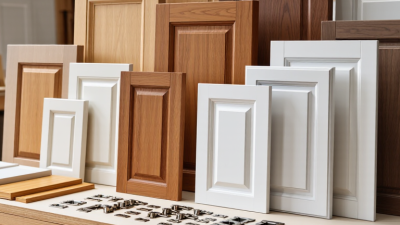
Cabinet door styles are easiest to classify by their visible profile and panel design. A slab door has a flat face, while a Shaker door has a recessed center framed by straight rails. Raised-panel doors bring the center panel forward, creating more shadow and visual depth. Glass-front and louvered doors are usually grouped by their inserts or openings rather than by panel shape. These categories describe appearance, not quality.
Construction and fit add another layer. A door may be full overlay, partial overlay, or inset, depending on how it sits against the cabinet frame. That distinction affects the gaps, alignment, and amount of frame you can see. Finish matters too: paint can soften fine grain, while clear finishes reveal it. Check a sample beside your countertop and under your room’s lighting. Small details show.
In practice, labels can overlap. A framed door might also be inset, and a simple profile can look quite different with a dark finish. I find classification useful, but it can make choices seem more fixed than they are. Look closely at corner joints, panel edges, and how the door feels when opened. The name alone tells only part of the story.
Which Cabinet Door Styles Are Most Popular in 2026?
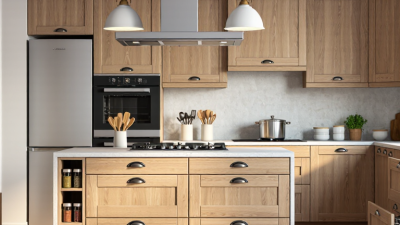
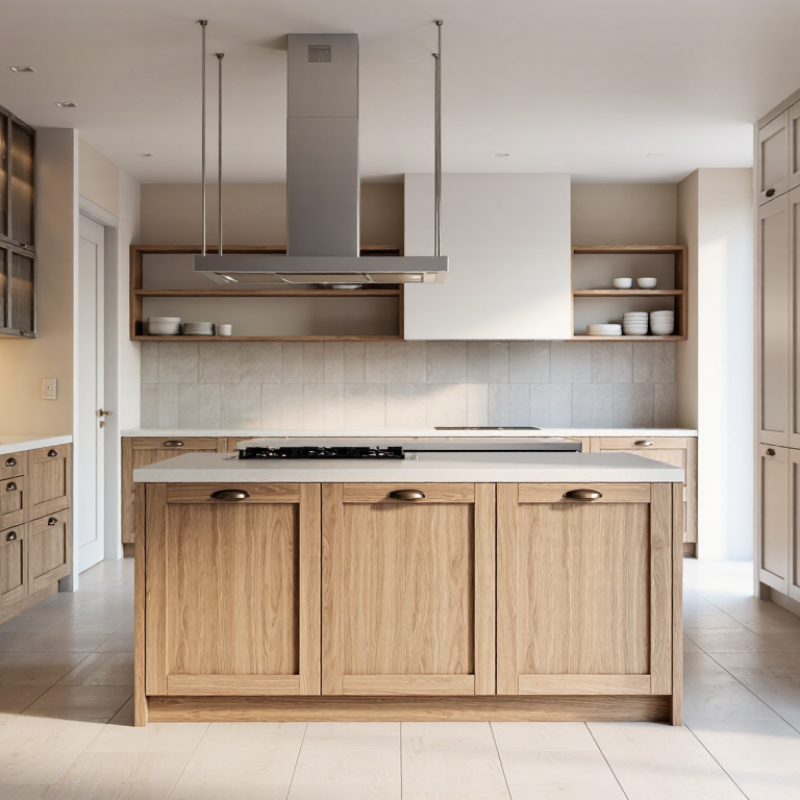
Shaker cabinet doors remain among the most popular styles in 2026. Their simple frame adds detail without making a kitchen feel busy. Slim Shaker versions use narrower rails, creating a cleaner look that suits both modern and transitional rooms. Flat-panel doors are also widely chosen, especially in compact kitchens where smooth surfaces keep the room visually calm. Inset doors offer a more furniture-like appearance, though their precise fit can require careful installation.
Finish choices shape how these styles feel. Warm oak and walnut show natural grain, while soft white, muted green, and earthy taupe keep the look understated. A matte finish can soften reflections near a sunny window. Small details matter. Simple pulls or discreet edge grooves often complement clean door profiles better than ornate hardware. Still, a popular finish may look quite different under your kitchen’s lighting.
When comparing styles, consider daily use as well as appearance. Flat panels are straightforward to wipe, while framed doors have edges and corners where dust can collect. That is not a reason to avoid them, just a detail worth noticing. Door style should also relate to the home’s architecture, cabinet layout, and how much visual texture feels comfortable. A trend report can make the choice seem simpler than it is.
How Shaker, Slab, and Raised-Panel Doors Differ
What Are the Top Cabinet Door Styles in 2026?
How Shaker, Slab, and Raised-Panel Doors Differ
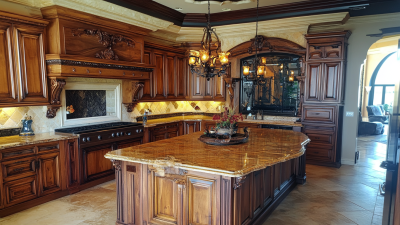
Shaker doors remain popular for their simple frame and recessed center panel. The clean lines suit both traditional and modern kitchens. Their narrow edges add just enough detail without making a small room feel busy. Slab doors take the opposite approach: one flat surface, with no frame or panel. They create a calm, streamlined look and are easy to wipe down. Raised-panel doors have a center panel that sits above the surrounding frame. Their deeper contours catch light and create visible shadows, giving cabinets a more formal, classic feel. That detail can collect dust, though. Details matter.
Tips: Compare samples in your own kitchen, not just online. Check them in morning and evening light, and look closely at the edges and finish. Fingerprints may show more on some smooth, dark surfaces, while textured profiles can take longer to clean.
Think about the whole room before choosing. Shaker doors can bridge old and new finishes; slab doors often pair well with uncluttered counters. Raised panels may feel too ornate beside very minimal appliances, but that is not a hard rule. I’d avoid assuming one style is automatically easier to live with. Handle shape, finish, lighting, and daily cleaning habits all change the result. A small sample can still mislead; full-size doors show proportions better.
How Materials and Finishes Influence Cabinet Door Styles
In 2026, a cabinet door’s style will depend as much on its surface as its shape.
A slim Shaker frame in oak feels warm and tactile; the same profile in smooth painted MDF looks crisp and formal. Material changes the visible grain, edge detail, and how well a finish hides daily wear. Houzz’s 2024 U.S. Kitchen Trends Study reports that 76% of renovating homeowners upgraded their cabinets. That makes finish choice a practical decision, not just a styling detail. A sample door viewed under kitchen lighting can reveal undertones that a screen conceals.
The National Kitchen & Bath Association’s 2024 Kitchen Trends Report points to natural wood as an important direction in kitchen design. Clear or lightly tinted finishes let oak and walnut grain remain visible, especially on flat-panel and narrow-frame doors. Painted finishes offer broader color choices, but chips and greasy fingerprints may show more clearly on dark, high-gloss surfaces. There is a trade-off. A matte finish softens reflections, yet textured grain can collect dust along a routed edge. For a busy kitchen, compare samples beside the countertop and check them in morning and evening light. I would not choose from a tiny swatch alone; it can mislead.
How to Match a Cabinet Door Style to Your Space
Matching a cabinet door style to your space starts with looking at the room, not a trend list. Shaker doors suit many kitchens because their simple frame adds detail without demanding attention. In a narrow kitchen, flat slab doors can look calmer and create fewer visual lines. They also show fingerprints more readily, especially in darker finishes. Small trade-offs matter.
Check the room’s proportions and light. A compact kitchen with low ceilings may feel crowded with heavily carved doors, while a bright, spacious room can handle more ornament. Glass-front doors can lighten a long run of cabinets, but they work best when shelves stay fairly tidy. Measure the door openings and inspect nearby trim before choosing inset doors; their precise gaps can look sharp, yet uneven walls may make installation more demanding. Measure twice.
Think about how the room is used each day. In a busy family kitchen, durable finishes and easy-to-clean profiles may matter more than delicate detailing. A recessed-panel door can offer a middle ground between a plain slab and an ornate profile. Bring finish samples home and view them in morning and evening light. The color may shift more than expected. And if two styles both seem right, mock up one door-sized panel with paper or cardboard; it is a slightly fussy step, but it can reveal whether the pattern feels too busy beside your counters.
What Are the Top Cabinet Door Styles in 2026?
Compare common cabinet door styles by the number of defining visible features. Counts describe typical design details, not popularity or performance.
Slab
A smooth, uninterrupted face suits minimalist spaces and can help a small room feel visually calm.
Shaker
A flat center and simple frame work well in transitional kitchens and pair easily with varied finishes.
Raised Panel
Its shaped center adds traditional detail and is often a natural fit for formal or classic interiors.
Glass-Front
Glass inserts break up solid cabinetry; use them where displayed dishes or glassware can stay organized.
Beadboard
Vertical grooves bring cottage-inspired texture. Consider using it selectively in a busy or compact space.
Feature-count method: count the typical face details named in each style’s description. Actual designs vary by manufacturer and construction.