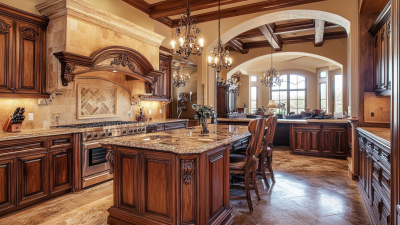
China Top Kitchen Cabinet Styles for Global Buyers
China Top Kitchen Cabinet Styles for Global Buyers begins with a practical question: which designs travel well across different homes, budgets, and cultures?
The global kitchen cabinet market continues to expand. Grand View Research valued it at approximately USD 90 billion in 2023 and expects steady growth through 2030. The report links this growth to renovation demand, urban housing, and more personalized interiors. These figures show opportunity, but they do not guarantee a suitable purchase.
Style still needs context.
The 2024 U.S. Houzz Kitchen Trends Study found that 76% of renovating homeowners upgraded their cabinets. It also reported strong demand for painted finishes, wood tones, and improved storage. Meanwhile, NKBA’s 2024 Kitchen Trends Report highlighted transitional, contemporary, and modern farmhouse influences. These findings help global buyers compare China’s popular Kitchen Cabinet Styles with wider international preferences.
Sarah Robertson, founder of Studio Dearborn, describes cabinetry as “the architecture of the kitchen.” Her observation is useful because cabinet doors shape the room’s visual rhythm, not merely its storage capacity. Shaker doors, flat-panel fronts, handleless systems, and natural wood finishes can each create a different market impression.
But style labels can mislead.
A “modern” cabinet may look clean online yet feel cold in a small apartment. A wood-grain finish may appear premium but vary noticeably between samples and full production. Buyers should examine edge details, hinge performance, moisture resistance, and color consistency before selecting a supplier. Reports provide direction, not certainty. Local habits, installation standards, and long-term maintenance still require careful testing.
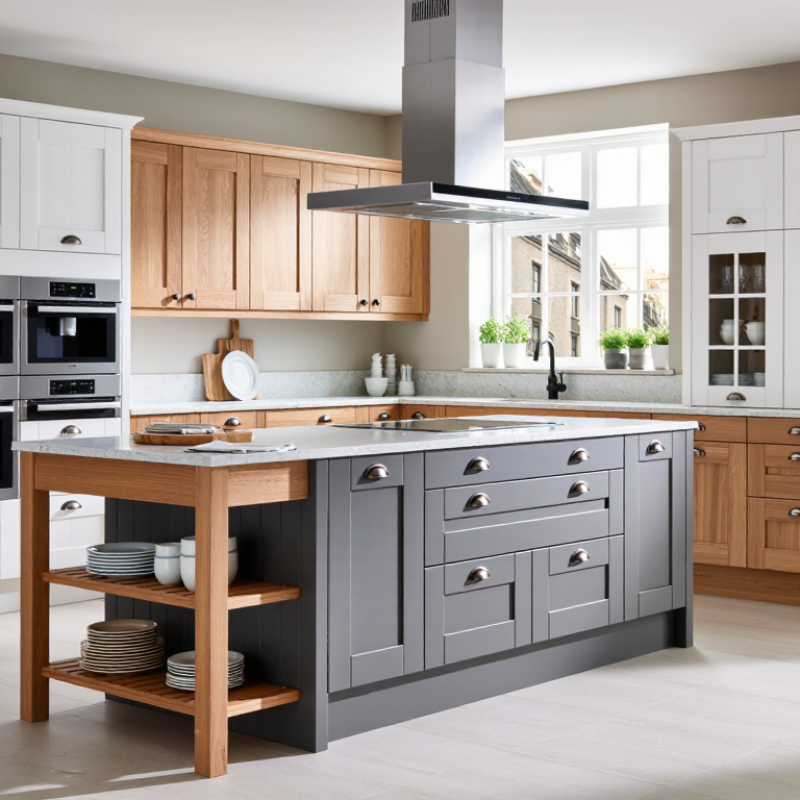
Kitchen Cabinet Styles Commonly Produced in China
China Top Kitchen Cabinet Styles for Global Buyers
Kitchen Cabinet Styles Commonly Produced in China
Chinese cabinet factories commonly produce shaker, slab, raised-panel, and glass-front styles. Shaker doors use a simple frame and suit both modern and transitional kitchens. Slab doors create a clean surface, especially with matte lacquer, PET, or natural veneer finishes. Raised-panel designs add depth and work well in larger, traditional rooms.
Frameless cabinets are widely made for export projects. They provide slightly more interior storage and pair neatly with concealed hinges. Framed cabinets remain popular where buyers want stronger visual structure. Many factories also produce tall pantry units, island cabinets, corner storage, and handleless systems. Small details matter. A 600-millimeter base cabinet may need different hardware for heavy stone worktops.
From practical sourcing experience, plywood boxes often perform better in humid areas than basic particleboard. However, construction quality varies between factories. Buyers should request door samples, edge-banding details, hinge specifications, and moisture testing records. Confirm the actual board thickness, not only the product photograph. Finish colors can also change under showroom lighting. This is easy to overlook.
Glass doors, open shelving, and mixed wood finishes are increasingly requested. They can make a kitchen feel lighter, but open storage collects dust quickly. Handleless profiles look refined, yet fingerprints may become visible on dark finishes. A reliable supplier should provide shop drawings, packing standards, and replacement procedures before production begins. Mistakes still happen, even with experienced teams. Clear approval records reduce expensive corrections.
Materials and Construction Methods Used by Chinese Manufacturers
China Top Kitchen Cabinet Styles for Global Buyers
Chinese kitchen cabinet manufacturers commonly use plywood, medium-density fiberboard, particleboard, and stainless steel. Each material suits different budgets, climates, and design expectations. Plywood offers strong screw holding and better moisture resistance than standard particleboard. However, its quality depends on core layers, adhesive selection, and edge sealing.
Many factories cut panels with CNC equipment for consistent dimensions. Carcasses may use dowels, confirmat screws, minifix fittings, or aluminum connectors. Soft-close hinges and drawer runners are usually tested through repeated opening cycles. Polyvinyl chloride edge banding protects exposed board edges, especially around sinks. Small gaps still matter.
Surface finishes include melamine, acrylic, PET, veneer, and painted lacquer. Melamine resists everyday scratches, while lacquer creates a smoother, more decorative surface. Stainless steel cabinets perform well in humid areas, but fingerprints appear quickly. During quality inspections, buyers should check panel thickness, drilling accuracy, color consistency, and corner alignment. A sample cabinet can look excellent, yet mass production may reveal uneven edges or slight shade changes. This is where written tolerances and inspection records become practical, not decorative.
Moisture testing deserves attention.
Manufacturers should also confirm formaldehyde emissions, hardware durability, packaging strength, and regional safety requirements. Buyers can request material samples before approving full production. I have seen attractive finishes fail because the sink cabinet lacked proper sealing. That detail is easy to miss. Clear drawings, approved samples, and staged inspections reduce expensive misunderstandings between overseas buyers and production teams.
How Cabinet Styles Fit Different Global Kitchen Preferences
China Top Kitchen Cabinet Styles for Global Buyers
How Cabinet Styles Fit Different Global Kitchen Preferences
China’s cabinet manufacturers offer three practical style families: Shaker, slab, and framed raised-panel doors. Shaker cabinets suit North American and Australian kitchens, where warm, familiar details remain popular. Houzz’s 2024 U.S. Kitchen Trends Study reported that 76% of renovating homeowners upgraded their cabinets. That demand reflects storage needs, not decoration alone. A deep drawer beside the oven can hold heavy pans safely.
Slab doors fit contemporary apartments in Europe and major Asian cities. Their flat surfaces simplify cleaning and create a calm visual line. Handleless versions work well in compact kitchens, especially when walkways are narrow. However, glossy finishes can reveal fingerprints under strong daylight. Matte laminates may be more forgiving. This small difference matters during daily use.
Raised-panel cabinets bring a traditional feeling to larger homes in parts of North America and the Middle East. They can support decorative interiors, but their profiles collect dust. The 2024 Kitchen Trends Report from the National Kitchen and Bath Association continues to identify transitional and contemporary directions as important design influences. Buyers should still check local cooking habits, appliance sizes, ventilation, and humidity before selecting a style. A cabinet that looks elegant in a showroom may feel crowded beside a wide rice cooker. That is the part many specifications miss. Style preference is not universal, and export planning needs more than a catalog image.
Customization, Sizing, and Finish Options for International Buyers
China Top Kitchen Cabinet Styles for Global Buyers
International buyers often choose flat-panel, shaker, or slim-frame cabinets for different kitchen styles. The better choice depends on room size, appliance placement, and installation skills. Custom sizing helps solve awkward corners, uneven walls, and unusual ceiling heights. Measure twice.
Standard base cabinets often use a 600 mm depth, but this is not universal. Confirm local appliance dimensions before approving production drawings. Include filler panels, toe-kick height, door clearance, and plumbing space. A cabinet that looks correct on paper may block a dishwasher door. Small errors compound.
Finish selection should match climate, cleaning habits, and expected service life. Acrylic and PET surfaces offer smooth colors and easy cleaning. Lacquer can provide richer tones, but it needs careful handling during transport. Veneer gives natural variation, so samples may differ slightly from digital images. Samples matter. Ask for physical color boards under daylight and indoor lighting. In humid regions, confirm panel cores, edge sealing, and moisture-resistant construction. In colder areas, allow for seasonal movement around walls and flooring.
Reliable suppliers should provide shop drawings, material specifications, hardware details, and packing photographs before shipment. Request replacement procedures for damaged panels and clear installation instructions. Experienced buyers also check carton labeling and cabinet numbering. A perfect rendering is not enough. One recurring lesson is that customization increases value only when measurements, communication, and quality checks remain consistent.
Quality Standards, Pricing Factors, and Supplier Selection Criteria
China Top Kitchen Cabinet Styles for Global Buyers
Quality begins beyond appearance. Inspect panel density, edge sealing, hinge strength, and surface consistency. Moisture-resistant boards matter in humid kitchens. Ask for formaldehyde emission reports that match your destination market. Check test methods, laboratory dates, and product batches. Cabinet doors should align evenly, with gaps close to two millimeters. Drawers should survive repeated opening cycles. Packaging also matters. Corner protectors and moisture barriers reduce damage during long shipping. A polished sample can still hide weak internal materials. I have seen this mistake happen.
Pricing depends on more than cabinet size. Compare board grade, finish, hardware, customization, packaging, minimum order quantity, and shipping terms. Lacquer, wood veneer, and textured laminates create different labor costs. Ask for a detailed quotation, not one total figure. Confirm whether installation parts and replacement components are included. Currency changes and port charges may affect the final budget. Cheap pricing can become expensive after rework. That deserves reflection.
Tips: Request a physical sample and a written specification sheet. Audit production records, quality-control checkpoints, and worker capacity. Verify lead times through recent orders, not promises alone. Use a small trial order before scaling. Clear drawings prevent costly misunderstandings. Keep approval samples for future comparisons. Good suppliers explain limitations honestly, even when the answer is inconvenient.
China Top Kitchen Cabinet Styles for Global Buyers
Indicative FOB price ranges by cabinet style, with key quality and supplier-selection considerations.
Quality Standards
Confirm moisture-resistant panels, low-formaldehyde compliance such as E1 or CARB Phase 2, durable edge banding, reliable hardware, and documented inspection procedures.
Pricing Factors
Final pricing changes with board material, door finish, hardware grade, cabinet dimensions, customization, packaging, order volume, and shipping terms.
Supplier Selection
Compare verified samples, production capacity, lead times, quality-control records, export experience, packaging performance, and after-sales support.
Price reference: indicative FOB ranges in USD per linear meter for standard export-oriented configurations. Actual quotations vary by specification, market, and order volume.
Related Posts
-
Maximizing Your Investment with Home Cabinets Understanding After Sales Support and Repair Costs
-
7 Compelling Reasons to Choose Home Kitchen Cabinets for Your Global Sourcing Needs
-
Navigating Tariff Challenges How Best Custom Cabinets from China Thrive in Global Markets
-
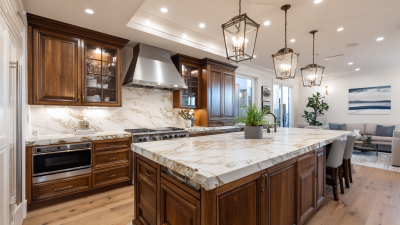
What Are the Key Features of High-Quality Home Kitchen Cabinets?
-
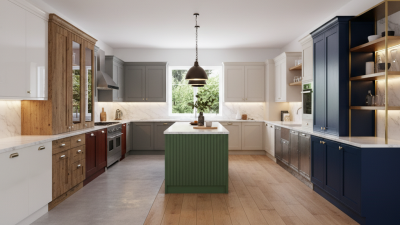
Top 10 Local Kitchen Cabinets Styles You Should Consider?
-
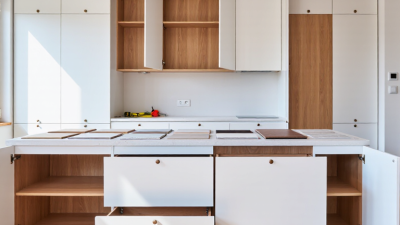
China Best Custom Cabinets Manufacturers for Global Buyers


Fall into Function: How LaFata Cabinets Prepares Your Kitchen for the Cozy Season


Back-to-School Kitchen Refresh: How LaFata Cabinets Can Help You Stay Organized This Fall