top of page

How to Choose the Best Kitchen Cabinet Door Styles?

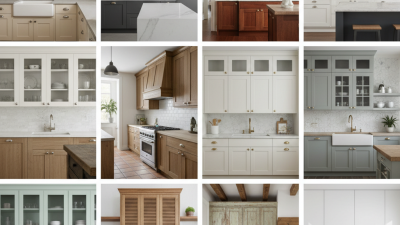
Kitchen Cabinet Door Styles influence more than a kitchen’s appearance. They affect cleaning, durability, storage access, and how the room feels in everyday use. A Shaker door can suit many interiors, while a flat slab often creates a cleaner, more modern look. Raised panels add depth, but their grooves may collect dust and cooking residue. Small details matter.

Choosing well starts with the kitchen itself. Consider the cabinet layout, nearby finishes, lighting, and how often the doors will be touched. A glossy sample may look bright in a showroom, then feel harsh beneath strong under-cabinet lights. Check samples at home, beside your countertop and flooring. There is no perfect style for every household, and a small sample cannot show every detail.

This guide explains common door profiles, materials, finishes, and practical trade-offs. It also considers budget, maintenance, and whether a chosen style works with existing cabinets. Before deciding, check the cabinet maker’s specifications, since hinges and door dimensions can limit your options. A beautiful door is not automatically a durable one. That distinction is easy to overlook. By comparing appearance with daily needs, homeowners can choose doors that feel considered, function reliably, and remain appealing as the kitchen gets used.
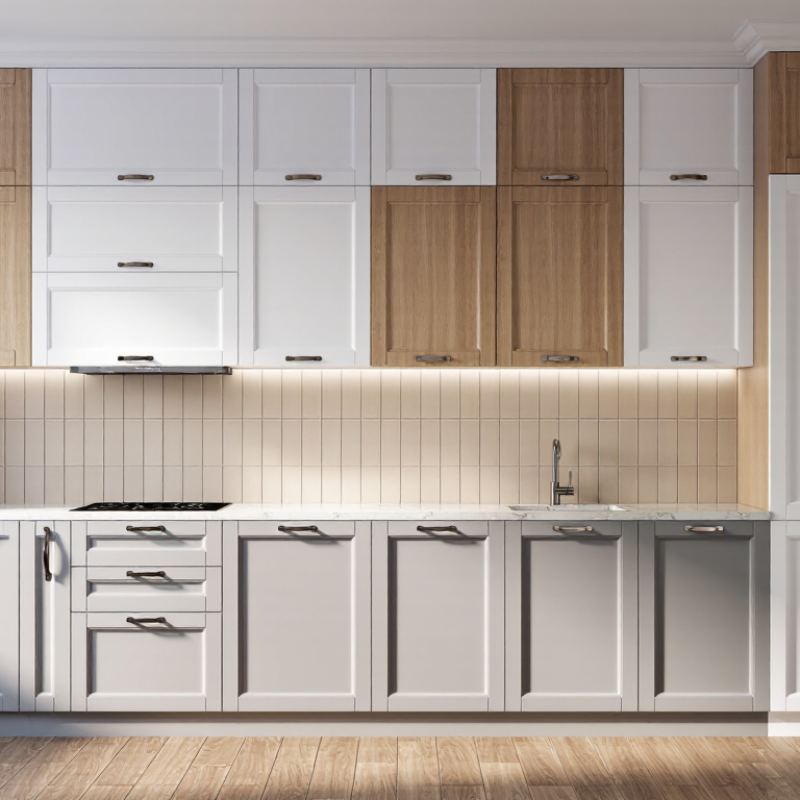
How to Choose the Best Kitchen Cabinet Door Styles?

What Kitchen Cabinet Door Styles Are and How They Differ

Kitchen cabinet door style describes the door’s visible shape, surface, and relationship to the cabinet frame. It affects the room’s look, but also changes how dust, fingerprints, and light appear. Small differences matter.

A slab door has a smooth, flat face with no frame or recessed panel. Its clean surface suits simple interiors and is easy to wipe, though fingerprints can stand out on darker finishes.

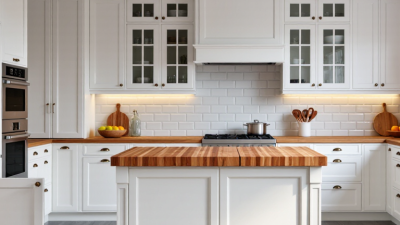
Shaker doors have a flat center panel bordered by four straight pieces. Their narrow ledges create subtle shadows and may collect a little dust.

Raised-panel doors add a beveled center that gives the front more depth and a traditional feel.

Beadboard doors use narrow grooves, which add texture but take more effort to clean.

Door fit is another distinction.

An inset door sits inside the cabinet opening, creating a neat, flush appearance. Overlay doors cover part or most of the cabinet frame, so the amount of visible frame varies.

Inset styles require careful alignment; small gaps can look obvious. One sample can mislead. Check a door in your own kitchen’s lighting, and notice how its edges look beside nearby drawers and trim.

The “best” style is not always the most elaborate one; daily cleaning and the room’s proportions matter too.

How to Assess Your Kitchen’s Layout and Design Needs

How to Choose the Best Kitchen Cabinet Door Styles?

How to Assess Your Kitchen’s Layout and Design Needs

Start with the room’s actual measurements, not a showroom impression. Record wall lengths, ceiling height, window positions, and the location of plumbing and outlets. Measure narrow passages and check how oven, dishwasher, and refrigerator doors swing. A few inches can change whether a raised-panel door feels comfortable or crowded. Older walls may not be perfectly square, so measure in several places.

Look at how the kitchen is used each day. In a compact galley, simple slab or Shaker doors can keep sightlines calm. A larger kitchen may have room for more detailed profiles, but nearby trim and flooring still matter. Notice the direction of natural light. Dark finishes can feel heavier in a north-facing room, while glossy surfaces may show fingerprints near a busy cooking area. Bring home a door sample. View it morning and evening beside your counters.

Think about cleaning and storage, not appearance alone. Deep grooves collect crumbs, especially near the range. If children often open lower cabinets, choose a finish that handles repeated wiping. Check whether drawers, pulls, and door edges suit your reach and movement. Corner clearance is easy to miss on paper; an awkward handle can catch the next door. Leave room for real use, even if the drawing looks tidy.

How to Compare Door Profiles, Materials, and Finishes

A cabinet door’s profile changes how a kitchen feels and how much cleaning it needs. Flat-panel doors have few edges to collect dust, while raised panels add depth and a more traditional look. A narrow shaker frame can feel lighter than a wide one, but proportions matter. Compare samples beside your countertop, not under showroom lighting. Small details show.

Material affects weight, stability, and repair options. Solid wood has natural grain variation and may shift with humidity. That character can be appealing, though it is not always predictable. Plywood offers a stable core for many kitchens; medium-density fiberboard creates smooth, consistent surfaces, especially for painted doors. Check the door’s edges and back, too. They may reveal construction differences hidden on the front.

Finishes change both color and daily upkeep. Matte surfaces soften reflections, but dark matte doors can show fingerprints in strong side light. Gloss reflects more light and wipes clean easily, though scratches may stand out. Ask for a large sample, then view it morning and evening beside your actual flooring. I find this step easy to underestimate. Also consider how the finish feels: a slightly textured surface may hide minor marks, but it can take longer to wipe around the profile. One sample may not tell the whole story.

How to Match Cabinet Door Styles to Your Budget and Lifestyle

How to Choose the Best Kitchen Cabinet Door Styles?

Match the door to how your kitchen is used, not just to a photograph. Flat-panel doors have few edges to wipe and often suit busy households. Shaker doors offer a familiar middle ground, though their recessed frames can collect crumbs and cooking grease. Raised-panel designs add depth, but their extra contours may take longer to clean. Small details matter.

Budget involves more than the door shape. Material, finish, hinges, handles, and installation all affect the final cost. A simple door in a durable finish may be a better fit than an ornate style with costly detailing. For homes with children or frequent cooking, compare wipe-clean finishes and inspect samples for visible fingerprints. Ask how the finish handles everyday cleaning; care instructions can vary. Check samples in your own kitchen, both in daylight and under evening lights. Colors can shift. A style that looks calm in a showroom may feel heavy in a narrow room. I would not treat any style as a perfect answer; household habits and available budget can change the choice.

How to Choose a Cabinet Door Style for Your Budget and Lifestyle

How to read this chart: Slab doors have a simple, flat surface that is generally easy to wipe down. Shaker doors offer a versatile middle ground, though their recessed center can collect dust. Raised-panel doors have more contours to clean, while glass-front doors may need frequent cleaning to keep both the glass and displayed contents looking neat. Ratings are comparative guidance, not measured prices; actual costs vary with materials, finishes, and construction.

How to Check Measurements, Samples, and Installation Requirements

Before choosing a cabinet door style, measure every opening rather than assuming matching cabinets are identical. Record width and height at several points; older cabinet boxes can be slightly out of square. Small differences matter. Note whether each door is full overlay, partial overlay, or inset, and measure the visible frame carefully. Check nearby walls, drawers, and appliance handles for clearance. A door that fits on paper may still strike a refrigerator handle when opened.

Ask for a physical sample in the intended door profile and finish. View it in morning daylight and under the kitchen’s evening lights, since colors can shift noticeably. Place it beside your countertop and backsplash, not against a blank wall. If possible, inspect a larger sample: a small chip may hide grain variation or make a routed profile seem flatter than it is. This check takes time, but it can prevent an expensive mismatch.

Installation requirements depend on the cabinet construction and hardware. Confirm door thickness, hinge type, hinge-bore location, and required reveal with the installer before ordering. Existing holes may not align with new hinges, even when the doors look similar. Ask whether the cabinet boxes are sturdy enough for heavier doors, and whether adjustment is included after fitting. One detail is easy to overlook: uneven floors can make gaps appear inconsistent. Measurements help, but they cannot correct every old cabinet.

How to Choose the Best Kitchen Cabinet Door Styles? - How to Check Measurements, Samples, and Installation Requirements
Door style What to check in a sample Measurements to verify Installation considerations
Slab
Flat, unframed face
View the sample in the kitchen’s actual lighting. Check the finish for color variation, fingerprints, and visible surface marks. Measure each existing door’s width and height. Check whether the door is flat and note its thickness; many cabinet doors are around ¾ in (19 mm), but confirm the actual product. Confirm hinge type, hinge-cup locations if applicable, and handle clearance. Large or heavy doors may need appropriate hinge support.
Shaker
Flat center panel with a frame
Inspect the frame width, corner joints, and finish inside the recessed panel. Make sure the detail suits the scale of the cabinets. Record width and height at three points and use the smallest reading if the opening or door is uneven. Check nearby drawers and appliances for clearance. Allow for the selected overlay and consistent gaps between adjacent doors and drawers. Verify that the frame does not interfere with handles or neighboring trim.
Raised panel
Profiled center panel
View the profile from the side and check that the finish is even in grooves and corners, where details can be more noticeable. Measure the full door, not just the center panel. Note door thickness and the profile’s depth to check for conflicts with nearby walls or trim. Check handle placement and hinge swing. Deeper profiles may affect how doors sit near adjacent panels, walls, or cabinet end panels.
Inset
Door sits inside the cabinet opening
Use a sample or mock-up to assess the visible gap around the door. Inset doors require more precise fitting than overlay doors. Measure the opening at the top, middle, and bottom, and at both sides. Check that the cabinet is square and note any variation before ordering. Confirm the required clearance and hinge type with the cabinet or door supplier. Uneven openings may require cabinet adjustment or professional fitting.
Glass-front
Frame with a glazed center
Check the glass type, clarity, edge finish, and how the sample looks with the intended interior lighting and cabinet contents. Confirm overall door dimensions, glass thickness, and the glass panel’s visible area. Ask whether the supplied dimensions include the frame. Use suitable safety glazing where required by local building rules. Verify glazing retention, door weight, and hinge capacity before installation.
Overlay and reveal check
Applies to many framed cabinets
Compare a door sample against the cabinet face frame to judge how much frame will remain visible when the door is closed. Measure the face-frame opening and the frame width around it. Record the desired overlay; do not assume existing doors use a standard overlay. Confirm overlay, hinge compatibility, and the intended reveal with the supplier. Keep consistent gaps between neighboring doors and drawers.
Final pre-order checklist Review a physical sample beside countertops, flooring, and wall colors. Check the finish in both daylight and evening lighting. Label every door and drawer location; record width, height, thickness, swing direction, and any unusual dimensions. Measure each piece rather than relying on one typical size. Confirm hinge and handle specifications, drilling locations, delivery condition, and installation instructions. Follow the supplier’s measurement requirements before ordering.
Measurement note: Examples are general guidance, not universal sizing rules. Cabinet construction, hinge systems, and required clearances vary; verify final dimensions and specifications with the door or cabinet supplier.

S O C I A L 

  • Facebook
  • Instagram
  • Pinterest

©2022 by LaFata Cabinets. Proudly created with Wix.com

bottom of page